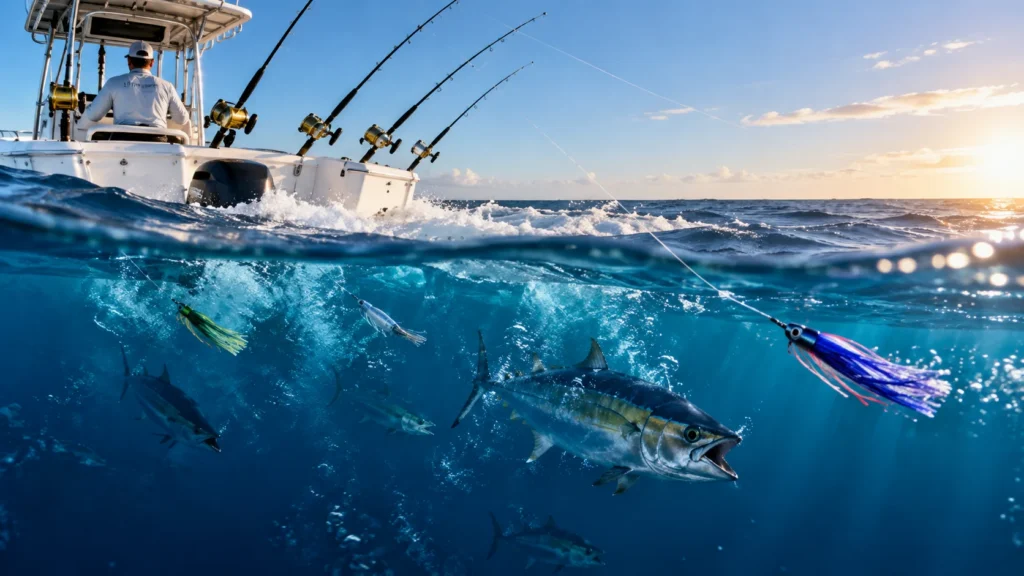
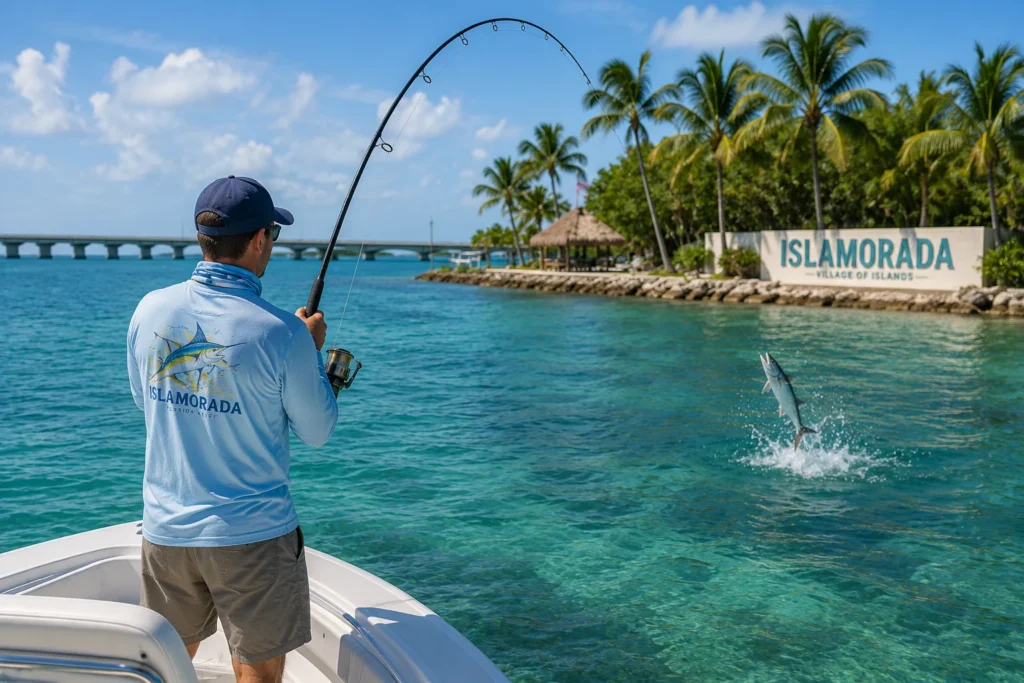
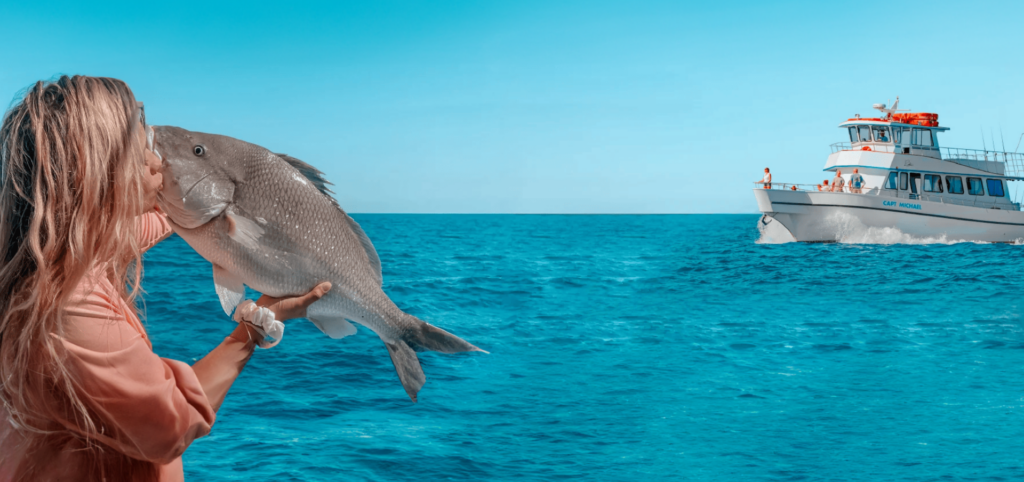
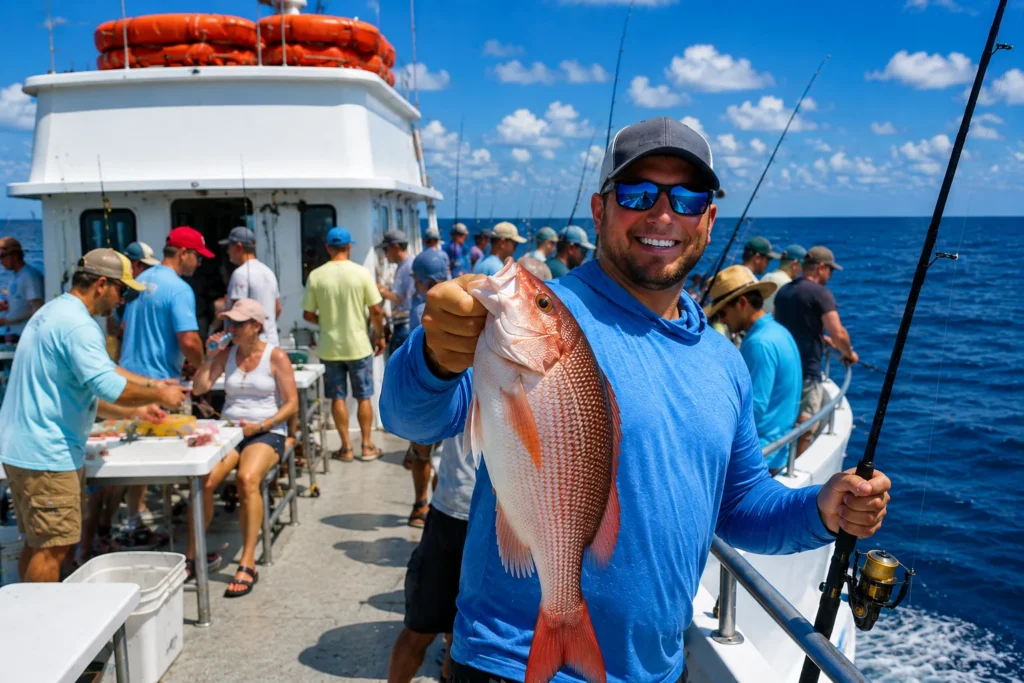
Key Takeaways Drift fishing is a technique where a boat moves naturally with wind or water current while anglers fish. It can be used in lakes, rivers, bays, estuaries, and offshore waters. Live bait, cut bait, and artificial lures can all be effective for drift fishing. Controlling drift speed and keeping bait at the right depth are important for success. Wind, current, tides, water depth, and underwater structure can all affect your drift. A drift sock can help slow the boat when wind or current is moving it too quickly. Drift fishing is a simple and effective fishing method that uses the natural movement of wind, water, or current to move a boat while you fish. Instead of keeping the boat in one fixed position, anglers allow the boat to drift across an area while presenting bait or lures to fish. This method is popular because it lets anglers cover more water without constantly operating the boat. Drift fishing can be used in lakes, rivers, bays, coastal waters, and offshore areas. It can also target many different types of fish. Whether you are new to fishing or have experience on the water, understanding how drift fishing works can help you decide when and where to use this technique. What Is Drift Fishing? Drift fishing is a fishing technique where a boat moves naturally with the wind or water current while anglers fish from the boat. The boat is usually allowed to move at a controlled speed. As it drifts, anglers cast or drop their bait into the water and cover different areas. Once the boat moves through the productive area, the angler can reposition the boat and make another drift. The goal is often to present bait or a lure naturally while covering a larger area than would be possible from an anchored boat. Drift fishing can be done in shallow or deep water. The equipment and fishing technique depend on the species being targeted and the water conditions. How Does Drift Fishing Work? The basic idea behind drift fishing is straightforward. First, the angler identifies an area where fish are likely to be feeding or holding. This could be a reef, drop-off, grass bed, channel, shoreline, underwater structure, or another productive area. The boat is then positioned upwind or up-current from the area. Instead of anchoring, the captain allows the boat to move naturally with the conditions. As the boat drifts, anglers present their bait or lures at different depths. They can cast, jig, bottom fish, or use other techniques depending on the target species. Once the boat has moved through the desired area, the captain can motor back to the starting point and repeat the drift. Why Do Anglers Use Drift Fishing? One of the biggest advantages of drift fishing is that it allows anglers to cover water. Fish are not always concentrated in one small location. They may be spread across a large area or move throughout the day. Drifting allows anglers to present bait to fish in multiple locations without having to constantly move the boat under power. Drift fishing can also create a natural presentation. When the boat, bait, and current are moving together, bait can appear less stationary and more like something naturally moving through the water. Another advantage is that drift fishing can be used in many different environments. Where Can You Go Drift Fishing? Drift fishing can be used in several types of water. Lakes Drift fishing is commonly used in lakes, particularly when wind creates a consistent movement across the water. Anglers may drift over points, flats, weed beds, drop-offs, or other areas where fish are likely to gather. The direction and speed of the wind can determine how the boat moves, so anglers often adjust their starting position based on the conditions. Rivers Drift fishing can be especially useful in rivers because current naturally moves the boat. Anglers can allow the current to carry the boat downstream while fishing different sections of the river. This can be effective around deep holes, bends, submerged structure, and areas where fish gather to feed. River drift fishing requires attention to current speed, obstacles, boat traffic, and water conditions. Bays and Estuaries Bays and estuaries can offer excellent opportunities for drift fishing. Moving tides create currents that can help move the boat through productive areas. Anglers may drift across grass flats, channels, oyster beds, drop-offs, and other areas where fish feed. Coastal and Offshore Waters Drift fishing is also used in saltwater. Offshore anglers may drift over reefs, wrecks, ledges, and other underwater structures. The target species can vary widely depending on the location. Species such as snapper, grouper, mackerel, flounder, and other saltwater fish may be caught using different drift fishing techniques. What Fish Can You Catch While Drift Fishing? The species you can catch while drift fishing depend on the location, season, water conditions, and fishing technique. Freshwater anglers may target bass, crappie, walleye, catfish, trout, and other species. In saltwater, drift fishing can target species such as snapper, grouper, flounder, kingfish, mackerel, tarpon, and many others. The technique can also be adjusted to target fish near the surface, in the middle of the water column, or near the bottom. Understanding where the target fish are feeding is one of the most important parts of successful drift fishing. Drift Fishing vs Anchoring Drift fishing and anchored fishing use two very different approaches. When a boat is anchored, it remains in one general location. This can be useful when fish are concentrated around a specific structure or when anglers want to repeatedly fish one productive spot. With drift fishing, the boat moves through the area. This allows anglers to cover more water and find fish that may be spread out. Neither technique is always better. The right choice depends on the fish, location, current, wind, depth, and conditions. Drift Fishing vs Trolling Drift fishing and trolling are also different. During trolling, a boat moves under power while one or more fishing lines