Key Takeaways
- Drift fishing is a technique where a boat moves naturally with wind or water current while anglers fish.
- It can be used in lakes, rivers, bays, estuaries, and offshore waters.
- Live bait, cut bait, and artificial lures can all be effective for drift fishing.
- Controlling drift speed and keeping bait at the right depth are important for success.
- Wind, current, tides, water depth, and underwater structure can all affect your drift.
- A drift sock can help slow the boat when wind or current is moving it too quickly.
Drift fishing is a simple and effective fishing method that uses the natural movement of wind, water, or current to move a boat while you fish. Instead of keeping the boat in one fixed position, anglers allow the boat to drift across an area while presenting bait or lures to fish.
This method is popular because it lets anglers cover more water without constantly operating the boat. Drift fishing can be used in lakes, rivers, bays, coastal waters, and offshore areas. It can also target many different types of fish.
Whether you are new to fishing or have experience on the water, understanding how drift fishing works can help you decide when and where to use this technique.
What Is Drift Fishing?
Drift fishing is a fishing technique where a boat moves naturally with the wind or water current while anglers fish from the boat.
The boat is usually allowed to move at a controlled speed. As it drifts, anglers cast or drop their bait into the water and cover different areas. Once the boat moves through the productive area, the angler can reposition the boat and make another drift.
The goal is often to present bait or a lure naturally while covering a larger area than would be possible from an anchored boat.
Drift fishing can be done in shallow or deep water. The equipment and fishing technique depend on the species being targeted and the water conditions.
How Does Drift Fishing Work?
The basic idea behind drift fishing is straightforward.
First, the angler identifies an area where fish are likely to be feeding or holding. This could be a reef, drop-off, grass bed, channel, shoreline, underwater structure, or another productive area.
The boat is then positioned upwind or up-current from the area. Instead of anchoring, the captain allows the boat to move naturally with the conditions.
As the boat drifts, anglers present their bait or lures at different depths. They can cast, jig, bottom fish, or use other techniques depending on the target species.
Once the boat has moved through the desired area, the captain can motor back to the starting point and repeat the drift.
Why Do Anglers Use Drift Fishing?
One of the biggest advantages of drift fishing is that it allows anglers to cover water.
Fish are not always concentrated in one small location. They may be spread across a large area or move throughout the day. Drifting allows anglers to present bait to fish in multiple locations without having to constantly move the boat under power.
Drift fishing can also create a natural presentation. When the boat, bait, and current are moving together, bait can appear less stationary and more like something naturally moving through the water.
Another advantage is that drift fishing can be used in many different environments.
Where Can You Go Drift Fishing?
Drift fishing can be used in several types of water.
Lakes
Drift fishing is commonly used in lakes, particularly when wind creates a consistent movement across the water.
Anglers may drift over points, flats, weed beds, drop-offs, or other areas where fish are likely to gather.
The direction and speed of the wind can determine how the boat moves, so anglers often adjust their starting position based on the conditions.
Rivers
Drift fishing can be especially useful in rivers because current naturally moves the boat.
Anglers can allow the current to carry the boat downstream while fishing different sections of the river. This can be effective around deep holes, bends, submerged structure, and areas where fish gather to feed.
River drift fishing requires attention to current speed, obstacles, boat traffic, and water conditions.
Bays and Estuaries
Bays and estuaries can offer excellent opportunities for drift fishing. Moving tides create currents that can help move the boat through productive areas.
Anglers may drift across grass flats, channels, oyster beds, drop-offs, and other areas where fish feed.
Coastal and Offshore Waters
Drift fishing is also used in saltwater. Offshore anglers may drift over reefs, wrecks, ledges, and other underwater structures.
The target species can vary widely depending on the location. Species such as snapper, grouper, mackerel, flounder, and other saltwater fish may be caught using different drift fishing techniques.
What Fish Can You Catch While Drift Fishing?
The species you can catch while drift fishing depend on the location, season, water conditions, and fishing technique. Freshwater anglers may target bass, crappie, walleye, catfish, trout, and other species.
In saltwater, drift fishing can target species such as snapper, grouper, flounder, kingfish, mackerel, tarpon, and many others.
The technique can also be adjusted to target fish near the surface, in the middle of the water column, or near the bottom. Understanding where the target fish are feeding is one of the most important parts of successful drift fishing.
Drift Fishing vs Anchoring
Drift fishing and anchored fishing use two very different approaches.
When a boat is anchored, it remains in one general location. This can be useful when fish are concentrated around a specific structure or when anglers want to repeatedly fish one productive spot.
With drift fishing, the boat moves through the area. This allows anglers to cover more water and find fish that may be spread out.
Neither technique is always better. The right choice depends on the fish, location, current, wind, depth, and conditions.
Drift Fishing vs Trolling
Drift fishing and trolling are also different.
During trolling, a boat moves under power while one or more fishing lines are pulled behind the boat. The movement of the boat is deliberately controlled to make the bait or lure travel through the water.
During drift fishing, the boat generally moves because of wind or current rather than continuous engine power.
Both techniques cover water, but they present bait and lures differently.
What Equipment Do You Need for Drift Fishing?
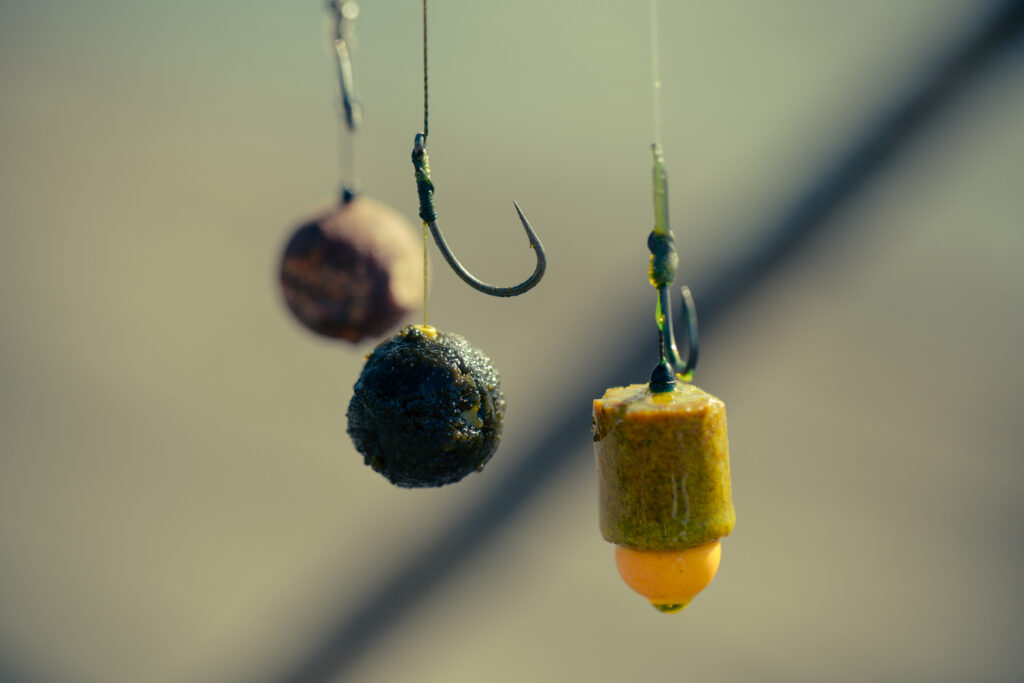
You do not necessarily need specialized equipment to start drift fishing. The right setup depends on the fish you are targeting.
Fishing Rod
Choose a rod appropriate for the size and species of fish you expect to catch.
A light or medium setup may be suitable for smaller freshwater fish, while heavier rods may be necessary for larger saltwater species.
Fishing Reel
A spinning reel is a common choice because it is versatile and relatively easy to use. Baitcasting and conventional reels can also be useful depending on the technique.
Fishing Line
The fishing line should match the target species and fishing environment.
Monofilament is easy to use and has some stretch. Braided line is thinner for its strength and can provide better sensitivity. Fluorocarbon is often used as a leader because it is relatively difficult for fish to see underwater.
Hooks
Hook size should match the bait and target species. Using a hook that is too large or too small can affect bait presentation and hooking ability.
Weights
Weights can help keep bait at the desired depth, especially when fishing in current or deeper water.
The amount of weight required depends on the depth, current, wind, and size of the bait.
Bait
Live bait, cut bait, and artificial lures can all be used for drift fishing.
The best choice depends on the species being targeted and what fish are naturally feeding on in the area.
Drift Sock
A drift sock, sometimes called a sea anchor, can help slow down a boat’s drift.
It is especially useful when wind or current is moving the boat too quickly. Slowing the drift can give anglers more time to fish an area and keep bait in the strike zone longer.
How to Choose the Right Bait
Bait selection is important for successful drift fishing.
One of the simplest approaches is to use bait that the target fish already feed on. This could include shrimp, small baitfish, squid, worms, or other natural prey depending on the environment.
Live bait can be particularly effective because it provides natural movement.
Cut bait can also attract fish through scent. Artificial lures are useful when anglers want to cover water while creating a specific action.
There is no single best bait for every drift fishing situation.
How Fast Should You Drift?
Drift speed can have a major effect on fishing.
If the boat moves too quickly, bait may pass through productive areas before fish have a chance to react. A fast drift can also make it difficult to keep bait at the desired depth.
If the drift is too slow, bait may not move naturally, depending on the fishing method.
The ideal speed depends on the species, bait, water depth, current, and technique.
A drift sock can be used when the natural drift is faster than desired.
How to Find a Good Drift
Finding the right drift is one of the most important parts of the technique.
Start by identifying areas where fish are likely to be present. Look for structure, changes in depth, current breaks, baitfish activity, vegetation, reefs, channels, and other features.
Then consider the direction of the wind or current.
Instead of starting directly over the area you want to fish, position the boat far enough away that the natural drift carries you across the productive zone.
After completing the drift, evaluate the results.
If you catch fish during a particular section, repeat the drift through that area.
Using Electronics for Drift Fishing
Modern fish finders and GPS units can make drift fishing easier. A fish finder can help identify underwater structure, changes in depth, baitfish, and fish.
GPS can help you mark productive locations and track the path of previous drifts.
If a particular drift produces several bites, you can use the GPS track to understand the direction and path that worked.
Electronics are useful tools, but anglers should still pay attention to the water, weather, current, and other signs of fish activity.
Drift Fishing in Current
Current can be helpful because it naturally moves the boat and bait. When fishing in current, anglers need to consider how the current affects the bait’s position.
If you are fishing near the bottom, enough weight may be needed to keep the bait in the strike zone.
The direction of the current also affects where the boat will travel. Positioning the boat correctly before beginning the drift can make a major difference.
Drift Fishing With Live Bait
Live bait can work especially well while drift fishing because the movement of the boat and current can create a natural presentation.
Depending on the target species, live bait may be fished near the surface, suspended in the water column, or close to the bottom.
The key is to keep the bait lively and present it at a depth where fish are feeding.
Avoid using excessive weight when it is not necessary because heavy tackle can restrict the movement of live bait.
Drift Fishing With Artificial Lures
Artificial lures can also be effective.
Jigs, soft plastics, spoons, plugs, and other lures can be used depending on the species.
A drifting boat naturally moves the lure through the water. Anglers can also add movement by jigging or retrieving the lure.
Different lures can be tested to determine which size, color, depth, and action attracts fish.
Common Drift Fishing Mistakes
Drift fishing may look simple, but a few common mistakes can reduce your chances of catching fish.
Drifting Too Fast
A fast drift can make it difficult to keep bait in the strike zone.
If the boat is moving too quickly, consider changing your starting position or using a drift sock when appropriate.
Using Too Much Weight
Too much weight can make bait look unnatural and may prevent it from moving properly.
Use only enough weight to reach and maintain the desired depth.
Ignoring the Wind and Current
Wind and current control the direction and speed of the drift.
Ignoring these factors can cause the boat to move away from productive areas.
Repeating an Unproductive Drift
If a drift produces no bites, changing the route can be more productive than repeatedly covering the same water.
Try changing your depth, direction, bait, or location.
Fishing at Only One Depth
Fish can be found at different depths throughout the day.
If you are not getting bites, experiment with your bait position. Fish may be holding near the bottom, suspended in the water column, or feeding closer to the surface.
Tips for Better Drift Fishing
A few simple adjustments can make drift fishing more productive.
Watch Your Drift Speed
Pay attention to how quickly the boat is moving. Adjust your position or use a drift sock if needed.
Keep Your Bait in the Strike Zone
Knowing where fish are holding is important. Adjust your weight and rig so your bait stays where the fish are feeding.
Try Different Depths
If you are not getting bites, change the depth before immediately changing locations.
Pay Attention to Productive Areas
When you catch a fish, note where it happened. Depth, structure, current, and location can all provide clues.
Keep Your Line Organized
Several anglers fishing from the same drifting boat can create tangled lines. Communicate with others and keep track of where your line is moving.
Be Ready to Move
Drift fishing is about covering water. If the fish are not responding, do not be afraid to change your drift.
Is Drift Fishing Good for Beginners?
Yes, drift fishing can be a good option for beginners.
The basic concept is easy to understand. You allow the boat to move naturally and fish as you travel through the area.
However, beginners should learn basic boating and fishing safety before heading out. Understanding how wind, current, tides, and weather affect the boat is important.
Starting in calm water can help new anglers become comfortable with the technique.
Is Drift Fishing Safe?
Drift fishing can be safe when proper precautions are taken. Always wear an appropriate personal flotation device, pay attention to weather conditions, and understand the local waterway.
Moving water, strong winds, waves, changing tides, and boat traffic can create hazards. Anglers should also keep fishing equipment organized so hooks, lines, and other gear do not create unnecessary risks on the boat.
If you are unfamiliar with an area, fishing with an experienced captain or guide can be a good way to learn.
When Is the Best Time for Drift Fishing?
There is no single best time for drift fishing.
The ideal time depends on the species, location, season, tides, weather, and feeding patterns.
Some fish may be most active early in the morning, while others may feed during changing tides or at different times of day.
Instead of relying on one specific time, pay attention to when the target species is most active in your area.
FAQs About Drift Fishing
Is drift fishing better with live bait or artificial lures?
Both can work well. Live bait can provide natural movement and scent, while artificial lures allow you to experiment with different colors, sizes, and actions. The better choice depends on the target species and fishing conditions.
Can you drift fish without a drift sock?
Yes. A drift sock is helpful but not required. You can control your drift by changing your starting position, adjusting the boat’s orientation, or using the boat’s motor when necessary.
What is the best depth for drift fishing?
There is no single best depth. The right depth depends on the species and where the fish are feeding. Fish may be found near the surface, in the middle of the water column, or close to the bottom.
Can you drift fish from shore?
Traditional drift fishing is generally done from a moving boat. However, anglers fishing from shore can use similar techniques by allowing their bait or lure to move naturally with the current.
How do tides affect drift fishing?
Tides can change the direction and strength of water movement, which affects how a boat drifts. Incoming and outgoing tides can also influence where baitfish and predatory fish gather.
Do you need a special rod for drift fishing?
No special rod is required for basic drift fishing. The rod should be appropriate for the fish you are targeting and the type of bait or lure you plan to use.
Can you drift fish in windy conditions?
Drift fishing can be done in moderate wind, but strong winds can make the boat difficult to control and may create unsafe water conditions. Always consider weather and water conditions before going out.
How do you stop a boat from drifting while fishing?
If you want to stop drifting, you can anchor where permitted or use a suitable anchoring system. Some boats may also use an electric trolling motor or other positioning system to maintain their location.
Can you drift fish at night?
Yes, drift fishing can be done at night, but it requires additional preparation and caution. Proper navigation lights, safety equipment, weather awareness, and knowledge of the area are especially important.
What is the difference between drift fishing and bottom fishing?
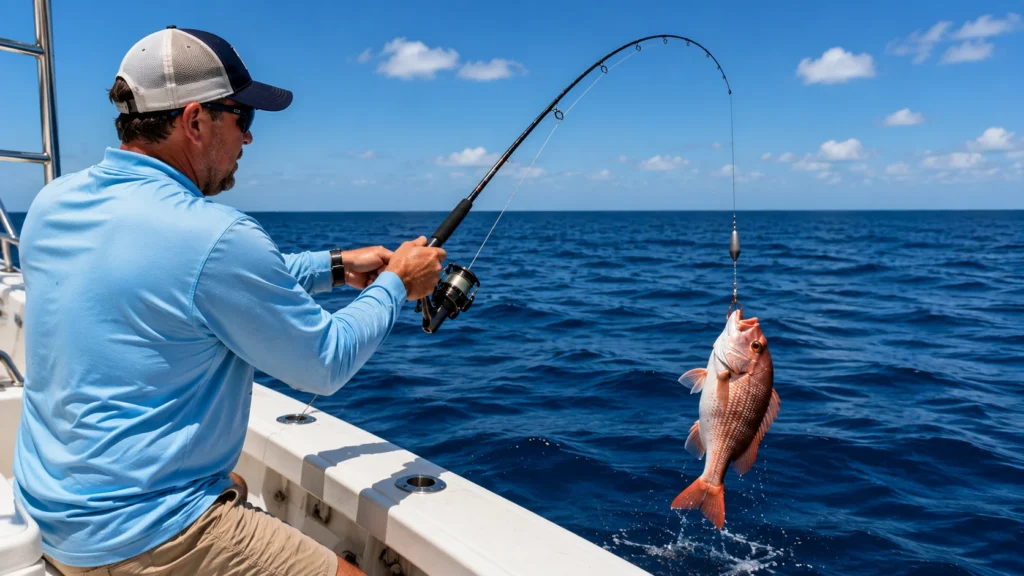
Drift fishing describes how the boat moves while you fish, whereas bottom fishing describes where you present your bait or lure. You can actually combine the two by drift fishing while keeping bait near the bottom.
Conclusion
Drift fishing is a versatile fishing technique that allows anglers to use wind and current to move a boat naturally across the water. It can be used in lakes, rivers, bays, estuaries, and offshore waters and can target a wide range of freshwater and saltwater fish.
The basic process is simple. Find a productive area, position the boat correctly, allow the boat to drift, and present your bait or lure at the depth where fish are likely to be feeding.
Successful drift fishing comes down to controlling the drift, choosing the right bait or lure, understanding the water, and paying attention to where fish are being caught. Once you learn how wind, current, depth, and structure affect your drift, this technique can become an enjoyable and productive way to spend time on the water.