Freshwater fishing is the practice of catching fish that live in lakes, rivers, ponds, streams, reservoirs, and other bodies of water that contain little salt. It is one of the most common types of fishing and can be enjoyed by beginners as well as experienced anglers.
Unlike saltwater fishing, which takes place in oceans and seas, freshwater fishing happens in inland waters. You can fish from the shore, a dock, a small boat, or even while standing in a shallow stream, depending on the location and local rules.
Freshwater fishing can be as simple as casting a line into a nearby pond or as challenging as spending hours looking for a particular species in a large lake. The equipment, bait, fishing technique, and location can all change depending on what you are trying to catch.
Key Takeaways
- Freshwater fishing means catching fish in lakes, rivers, ponds, streams, and reservoirs.
- Common freshwater fish include bass, trout, catfish, crappie, bluegill, pike, and carp.
- Beginners can start with a basic fishing rod, reel, line, hooks, and bait or lures.
- Finding fish depends on factors such as water depth, temperature, season, weather, and underwater structures.
- Always check local fishing regulations and licensing requirements before heading out.
Where Can You Go Freshwater Fishing?
Freshwater fishing can take place in many different environments. The most common locations include:
- Lakes
- Rivers
- Ponds
- Streams
- Reservoirs
- Canals
- Creeks
Each type of water has its own characteristics. A small pond may be easy for a beginner to explore, while a large lake can require more planning and knowledge.
Rivers and streams can be particularly interesting because moving water affects where fish stay and how they behave. Lakes and reservoirs may offer a wider variety of fishing spots, including shallow areas, weed beds, drop-offs, and deeper water.
What Fish Can You Catch in Freshwater?
Freshwater fishing offers many different species, and the fish available depend heavily on the region and body of water.
Some of the most commonly targeted freshwater fish include:
Bass
Bass are popular among freshwater anglers because they can be aggressive and provide an exciting fishing experience. Largemouth bass and smallmouth bass are two well-known types.
Trout
Trout are commonly found in cool rivers, streams, and lakes. Popular species include rainbow trout, brown trout, and brook trout.
Catfish
Catfish can live in rivers, lakes, ponds, and reservoirs. They are often targeted using natural bait and can grow to impressive sizes.
Crappie
Crappie are popular freshwater panfish and are commonly found in lakes and reservoirs.
Bluegill
Bluegill are small sunfish that are often found in ponds and lakes. They are particularly popular with beginners because they can be caught using relatively simple equipment.
Pike
Northern pike are freshwater predators known for their size and aggressive behavior. They are commonly targeted using lures designed to attract predatory fish.
Carp
Carp can be found in many freshwater environments and are known for being strong fighters. They are often targeted by anglers looking for a challenging catch.
What Equipment Do You Need for Freshwater Fishing?
One of the advantages of freshwater fishing is that you do not necessarily need expensive equipment to get started.
A basic setup may include:
- Fishing rod
- Fishing reel
- Fishing line
- Hooks
- Bobbers or floats
- Sinkers
- Bait or lures
- Fishing pliers
- Tackle box
The right equipment depends on the type of fishing you plan to do.
A simple spinning rod and reel is a good option for many beginners. It is relatively easy to use and can be suitable for catching a variety of freshwater species.
More specialized fishing may require different rods, reels, lines, hooks, or lures.
Also Read:
- What Is Deep Sea Fishing?
- What Is Inshore Fishing?
- What Is Bottom Fishing?
- What Is Charter Fishing?
- What Is Offshore Fishing?
- What Is Sport Fishing?
- What Is Drift Fishing?
- What Is Fly Fishing?
What Bait Is Used for Freshwater Fishing?
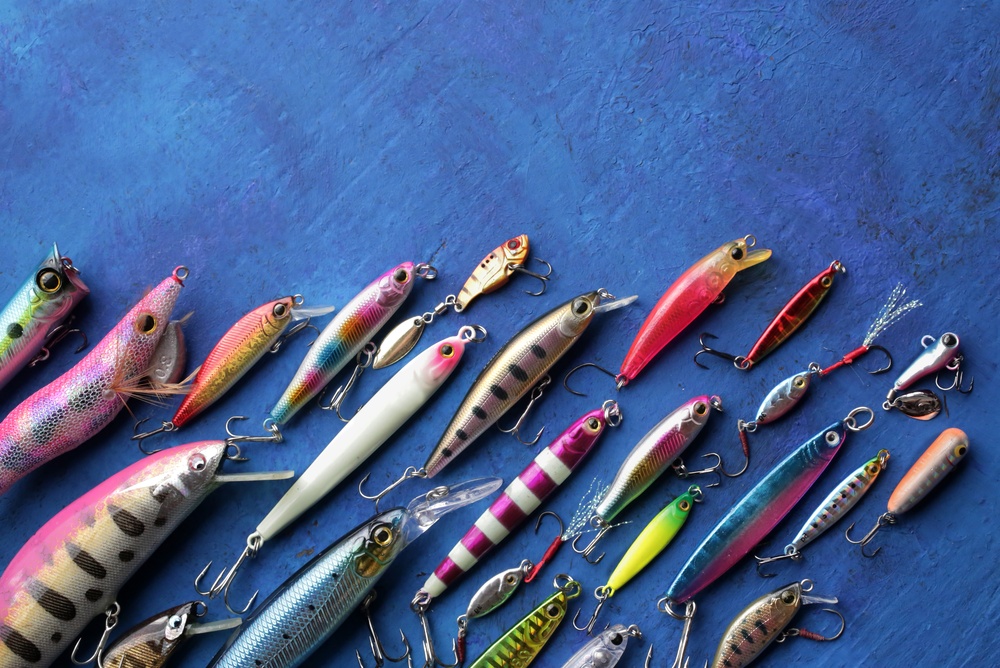
The best bait depends on the fish you are targeting.
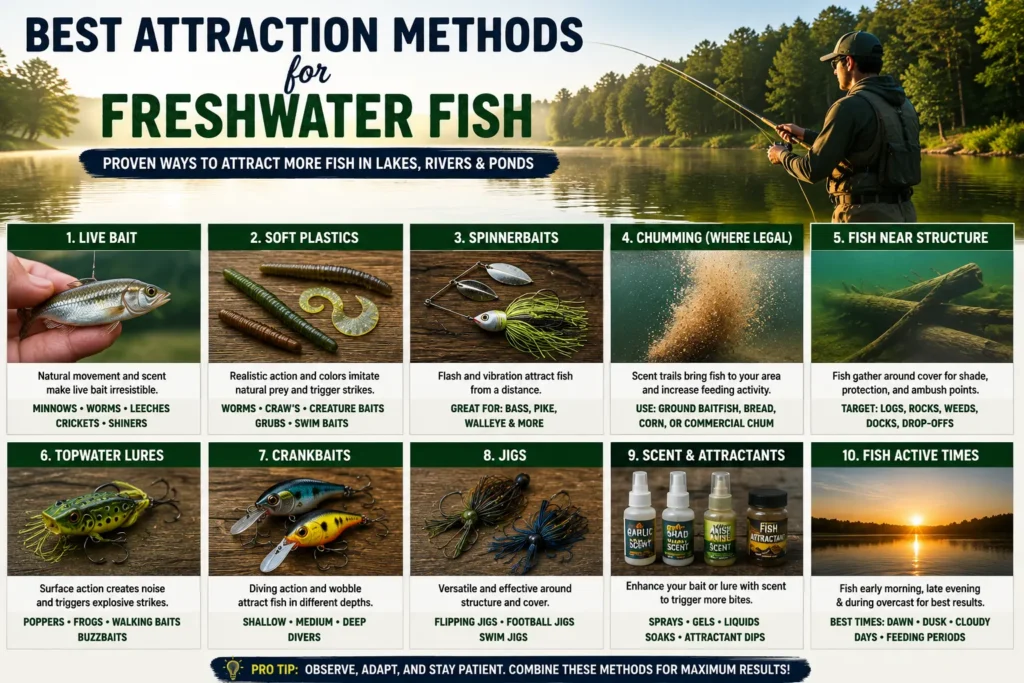
Common freshwater fishing bait includes worms, minnows, insects, corn, and other natural bait.
Artificial lures are also widely used. These are designed to imitate fish, insects, or other prey that freshwater fish naturally eat.
For example, soft plastic lures, crankbaits, spinners, and jigs can all be used for different types of freshwater fishing.
If you are new to fishing, ask a local bait shop or experienced angler what bait works well for the specific lake or river you plan to visit.
How Does Freshwater Fishing Work?
The basic process is simple. You attach bait or a lure to your fishing line, cast it into the water, and wait for a fish to bite.
When a fish takes the bait, you feel movement or see the bobber move. You then set the hook and reel the fish toward you.
However, successful fishing involves much more than simply throwing a line into the water.
Anglers learn to look for places where fish are likely to feed or seek shelter. They also consider water temperature, weather, time of day, water depth, vegetation, and seasonal changes.
What Is Shore Fishing?
Shore fishing means fishing from land rather than from a boat.
It is one of the easiest ways to get started because you do not need to own or rent a boat.
You can fish from the edge of a lake, river, pond, or reservoir where fishing is permitted.
Look for areas where fish may gather, such as around rocks, fallen trees, vegetation, docks, or changes in water depth.
What Is Boat Fishing?
Boat fishing gives anglers access to areas that may not be reachable from shore.
A boat can help you explore deeper water, offshore structures, weed beds, and other areas where fish may be found.
You do not necessarily need a large fishing boat. Depending on the location and regulations, kayaks, canoes, and small boats can also be used.
If you are fishing from a boat, always follow local boating and safety requirements and wear appropriate safety equipment.
Read: [What is Party Boat Fishing?]
What Is the Best Time for Freshwater Fishing?
There is no single time that guarantees the best fishing, but certain conditions can improve your chances.
Early morning and late afternoon are often productive because fish may be more active during these periods.
Weather can also influence fishing behavior. Changes in temperature, light, wind, and atmospheric conditions can affect where fish are feeding.
Season is another important factor. Fish behavior changes throughout the year as water temperatures and food availability change.
Learning how fish behave during different seasons can help you choose better locations and techniques.
Is Freshwater Fishing Good for Beginners?
Yes. Freshwater fishing is often a good place for beginners to learn basic fishing skills.
You can start with simple equipment and fish from the shore rather than immediately investing in a boat or specialized gear.
A small pond or calm lake can be a comfortable place to practice casting, handling a rod, and learning how to land a fish.
Many beginners start with species such as bluegill, sunfish, or smaller bass before moving on to more specialized types of fishing.
How Do You Find Fish in Freshwater?
Finding fish is one of the biggest parts of becoming a better angler.
Fish often look for places where they can find food, shelter, or suitable water conditions.
Depending on the species, you may find fish around:
- Rocks
- Fallen trees
- Weed beds
- Docks
- Bridges
- River bends
- Deep drop-offs
- Areas where shallow and deep water meet
Water temperature can also influence where fish spend their time.
Rather than casting randomly across an entire body of water, experienced anglers often study the environment and focus on areas that are likely to attract fish.
What Is Catch and Release Fishing?
Catch and release fishing means catching a fish and returning it to the water instead of keeping it.
The fish is usually handled carefully, the hook is removed, and the fish is returned as quickly as possible.
If you plan to release your catch, avoid keeping the fish out of the water longer than necessary. Wetting your hands before handling it can also help reduce damage to its protective coating.
Some fisheries have specific catch-and-release rules, while others allow anglers to keep fish within certain size and quantity limits.
Do You Need a Fishing License?
In many places, anglers need a fishing license to fish legally. The requirements vary depending on where you are fishing, your age, the type of water, and sometimes the species you are targeting.
Some locations also have specific rules about:
- Fishing seasons
- Minimum and maximum fish sizes
- Daily catch limits
- Bait
- Hooks and tackle
- Protected species
- Fishing methods
Before going fishing, check the regulations for the specific location. Rules can vary significantly between different states, lakes, rivers, and other waterways.
Is Freshwater Fishing Expensive?
It does not have to be.
A beginner can start with a basic rod and reel, a small selection of hooks, sinkers, bobbers, and bait without spending a large amount of money.
Costs can increase if you choose specialized rods, high-end reels, electronic fish finders, boats, or other equipment.
For someone just starting, it is usually better to learn the basics before buying a large amount of gear.
What Should You Wear Freshwater Fishing?
What you wear depends on the location and weather.
Comfortable clothing, suitable footwear, a hat, and sun protection are useful for warm-weather fishing. In colder conditions, layers can help you stay comfortable.
If you are fishing from a riverbank or walking along uneven ground, shoes with good grip can be helpful.
You should also bring enough water, especially when fishing outdoors for several hours.
Freshwater Fishing Safety Tips
Fishing is generally a relaxing outdoor activity, but basic safety is important.
Always be aware of your surroundings, especially when casting. Make sure there is enough space behind and around you before throwing your line.
If you are fishing near deep or moving water, stay away from unstable edges and slippery surfaces.
When fishing from a boat, wear a life jacket and follow boating safety rules.
Handle hooks, knives, and other sharp equipment carefully.
It is also a good idea to check the weather before heading out. Storms, strong winds, and rapidly changing conditions can make fishing near water unsafe.
Why Do People Enjoy Freshwater Fishing?
Freshwater fishing is not only about catching fish.
For many people, it is a way to spend time outdoors, relax, explore nature, and enjoy time with friends or family.
Some people enjoy the quiet and patience involved in waiting for a bite. Others enjoy the challenge of finding specific fish and improving their fishing techniques.
It can also be a social activity. Parents can introduce children to fishing, friends can spend a day on the lake, or experienced anglers can share techniques with beginners.
The experience can be as simple or as involved as you want it to be.
FAQs About Freshwater Fishing
What Is the Easiest Fish to Catch in Freshwater?
Bluegill, sunfish, and other panfish are often easier for beginners to target because they can be found in many ponds and lakes.
Can You Go Freshwater Fishing Without a Boat?
Yes. Shore fishing is a simple way to enjoy freshwater fishing without owning or renting a boat.
What Size Fishing Rod Is Best for Freshwater Fishing?
A light or medium-light spinning rod is a good choice for many common freshwater fishing situations.
Do Freshwater Fish Bite During Rain?
They can. Light rain may create favorable fishing conditions, although heavy rain, storms, and rapidly changing water conditions can make fishing difficult or unsafe.
Does Moonlight Affect Freshwater Fishing?
The moon can influence fish activity and feeding patterns, but its effect varies by species, location, and other conditions.
Can You Eat Fish Caught in Freshwater?
Yes, some freshwater fish are commonly eaten. However, you should check local advisories for the specific body of water before eating your catch.
Why Do Fish Stop Biting?
Fish may become less active because of changes in weather, water temperature, pressure, food availability, or fishing pressure.
What Is the Best Depth for Freshwater Fishing?
There is no single best depth. Fish may move between shallow and deep water depending on the species, season, time of day, and water conditions.
Can You Freshwater Fish at Night?
Yes. Night fishing can be productive for certain species, but you should use proper lighting, stay aware of your surroundings, and follow local regulations.
What Should a Beginner Bring on a Freshwater Fishing Trip?
A beginner should bring a rod and reel, suitable line and hooks, bait or lures, fishing license if required, water, sun protection, and basic tackle.
Conclusion
Freshwater fishing is simply fishing in lakes, rivers, ponds, streams, reservoirs, and other freshwater environments. It can involve many different fish species, techniques, and types of equipment.
For beginners, a basic rod and reel, suitable bait, and a legal fishing location may be all you need to get started. As you gain experience, you can learn more about fish behavior, different lures, seasonal patterns, and specialized fishing techniques.
Whether you spend a few hours fishing from the shore or head out on a boat for an entire day, freshwater fishing offers a simple way to enjoy time on the water and outdoors. The more you practice, the better you become at understanding the water and finding the fish you’re looking for.