Cpt. Michael

Uncategorized

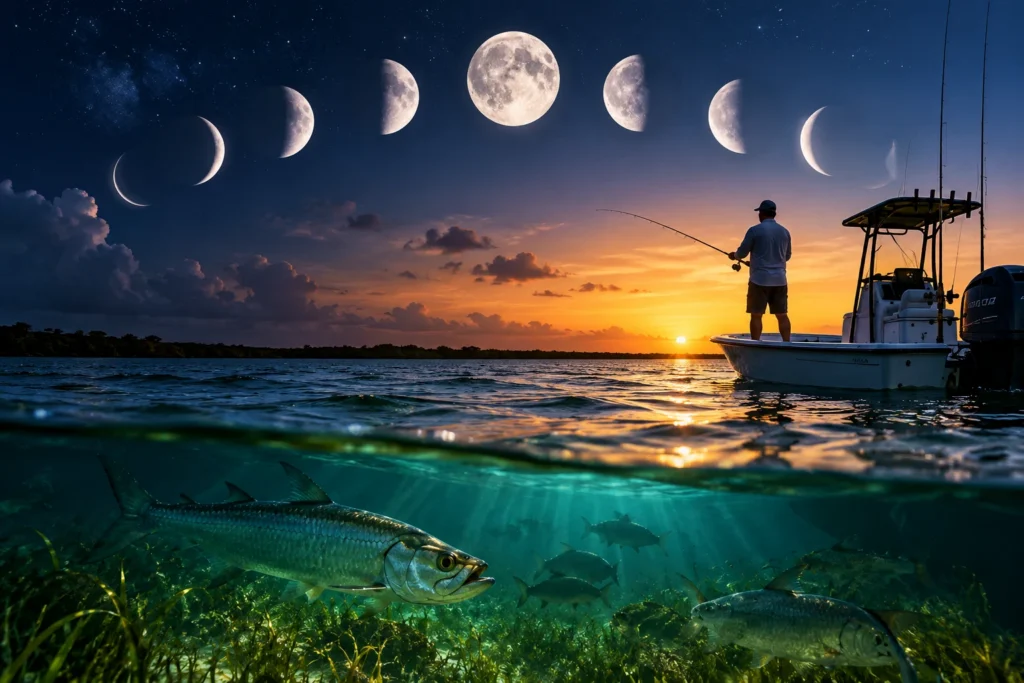
Does Moon Phase Affect Fishing?

Does Moon Phase Affect Fishing? Everything You Need To Know

If you spend enough time around anglers, you will eventually hear someone talk about the moon. Some fishermen swear that a full moon brings better fishing. Others prefer a new moon. Some plan their trips around solunar charts, while others pay little attention to the lunar calendar. So, does moon phase affect fishing? Yes, the moon can influence fishing conditions, but it is not a guarantee that you will catch more fish. The moon affects tides, light levels, and the timing of some natural activity. These changes can influence where fish move and when they feed. However, moon phase is only one part of the picture. Weather, water temperature, tides, current, bait activity, water clarity, time of day, location, and the species you are targeting can all have a major effect on your results. The best way to use the moon is not to treat it as a magic fishing calendar. Instead, use it as one more piece of information when planning a trip. Key Takeaways What Is Moon Phase? The moon phase describes how much of the moon’s illuminated surface appears visible from Earth. The main phases are: The complete cycle takes about 29.5 days. The amount of moonlight and the position of the moon relative to the Earth and Sun change throughout this cycle. These changes can influence natural conditions in both coastal and freshwater environments. For fishermen, the most important connection is often between the moon and tides. How Does the Moon Affect Tides? The Moon’s gravitational pull is one of the main forces responsible for Earth’s tides. The Sun also contributes to tides, although the Moon has the larger influence because it is much closer to Earth. When the Sun, Earth, and Moon are positioned so their gravitational effects reinforce each other, the difference between high and low tide becomes greater. This happens around the new moon and full moon and produces what are called spring tides. About a week after a new or full moon, the Sun and Moon are positioned at roughly right angles relative to Earth. Their tidal effects partially oppose each other, producing neap tides, which have a smaller tidal range. This is important because moving water can influence feeding opportunities for many fish. Why Do Tides Matter to Fishing? The tide does more than simply make the water level rise and fall. Tidal movement also creates currents. As water moves, it can carry baitfish, shrimp, crabs, plankton, and other food sources. Predatory fish may position themselves in areas where moving water brings food within reach. This is why experienced saltwater anglers often pay close attention to when the tide is moving, rather than simply looking at whether it is high or low. NOAA notes that tides are accompanied by horizontal water movement called tidal currents, with flood currents occurring as the tide rises and ebb currents occurring as it falls. For fishing, that movement can sometimes be more useful than the moon phase itself. Is Fishing Better During a Full Moon? A full moon can create interesting fishing conditions, but it does not automatically mean better fishing. One reason anglers associate the full moon with good fishing is the combination of stronger spring tides and increased nighttime light. Some fish and prey species are more active at night under brighter conditions. Other fish may behave differently because they can feed during the night rather than relying as heavily on daylight. For anglers targeting certain species, this can change where fish are located or when they are actively feeding. But a full moon can also make fishing more challenging. If fish feed heavily overnight, they may be less active during the following morning. This is one reason some anglers prefer fishing during the night around a full moon rather than assuming sunrise will always be the best opportunity. There is no universal rule that a full moon equals better fishing. Is a New Moon Good for Fishing? The new moon is another period that many anglers watch closely. Unlike a full moon, a new moon produces very little visible moonlight at night. New moons also occur during spring tides, meaning the tidal range can be relatively large. For coastal anglers, the stronger tidal movement can create productive conditions in locations where current is important. The darker nights may also change the behavior of certain fish and prey species. Whether this improves fishing depends heavily on the species, location, tide, weather, and time of day. Does a Full Moon Affect Freshwater Fishing? It can, but the relationship is less straightforward than simply saying one moon phase is best. Freshwater fish do not experience ocean tides in the same way coastal fish do. However, fish can respond to changes in nighttime light and lunar cycles. Research on largemouth bass, for example, found that lunar phase was associated with changes in activity and depth distribution during many of the lunar cycles studied, although the patterns were not consistent throughout the year. The researchers also concluded that commonly used solunar tables had limited predictive value for identifying peak fishing times. That is an important point. The moon can influence fish behavior without providing a simple “fish will bite better on this date” rule. Does Moonlight Make Fish More Active? It can influence activity in some situations. Moonlight changes how much natural light is available at night. This can affect both predator and prey species. Some predators may find it easier to hunt under a brighter moon. Meanwhile, prey species may alter their behavior to avoid predators. These changes can affect where fish are located and when they feed. However, different species behave differently. A predator that benefits from hunting in brighter conditions may respond differently from a species that prefers darker environments. This is why moon phase should always be considered alongside the species you are targeting. What Are Solunar Tables? Solunar tables are fishing and hunting guides that use the positions and movements of the Sun and Moon to predict periods of potentially increased

Does Moon Phase Affect Fishing? Everything You Need To Know Read More »
What is surf fishing

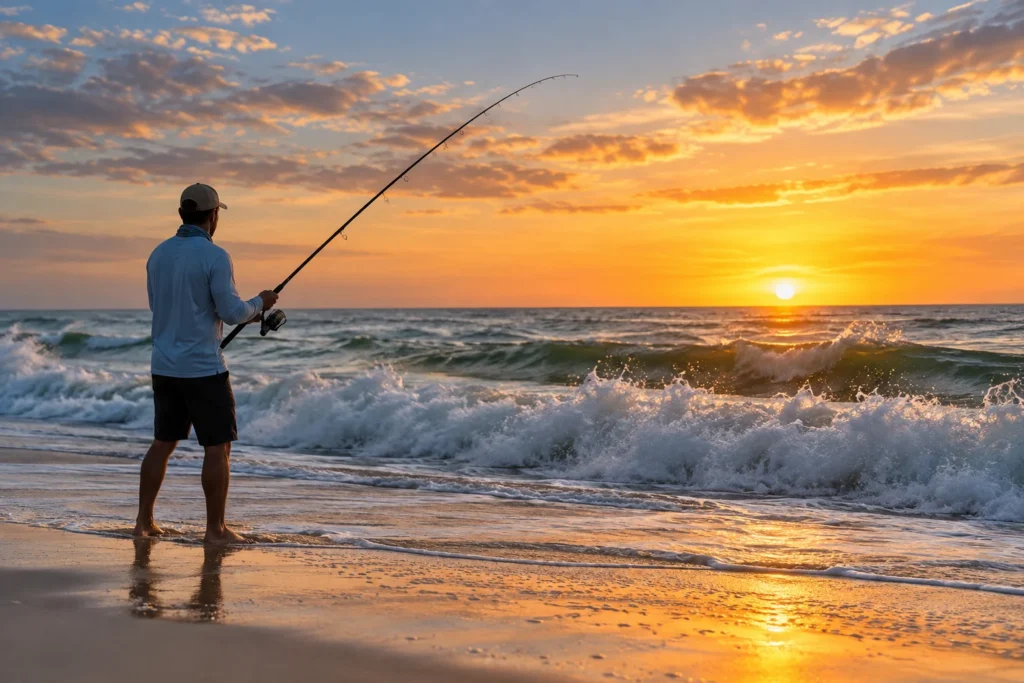
What Is Surf Fishing? A Complete Guide for Beginners

If you enjoy fishing and spending time near the ocean, you may have heard the term surf fishing. But what is surf fishing, and how is it different from fishing from a boat, pier, or dock? Surf fishing is a type of saltwater fishing where anglers fish from the shoreline, usually standing on a beach and casting their bait or lure into the ocean. It is a simple way to enjoy ocean fishing without needing a boat. Surf fishing can be relaxing, exciting, and accessible to beginners. At the same time, it requires an understanding of tides, waves, beach conditions, bait, tackle, and fish behavior. In this guide, we will explain what surf fishing is, how it works, what equipment you need, where to fish, and some useful tips for getting started. Key Takeaways What Is Surf Fishing? Surf fishing is the practice of catching saltwater fish from the shoreline. Most surf anglers stand on a sandy beach, although fishing from rocky shorelines and other coastal areas can also be considered surf fishing. The goal is to cast your bait or lure beyond the breaking waves or into areas where fish are feeding. Fish often move close to shore in search of food, especially around sandbars, troughs, cuts, rocks, and other underwater structures. One of the biggest advantages of surf fishing is that you do not need a boat. You can walk onto the beach, find a promising area, set up your fishing gear, and start casting. Depending on where you fish, you may catch species such as snook, redfish, pompano, whiting, bluefish, striped bass, drum, sharks, and other saltwater species. How Does Surf Fishing Work? Surf fishing starts with finding a productive area along the shoreline. Instead of simply casting anywhere, experienced anglers look for underwater features that may attract fish. Fish often gather around areas where food is available or where the water creates favorable feeding conditions. After finding a promising location, the angler chooses appropriate bait or a lure and casts it into the surf. The bait may be allowed to sit on the bottom, drift naturally, or move through the water depending on the target species and fishing method. The angler then watches the fishing line for movement. When a fish takes the bait, the angler sets the hook and begins bringing the fish toward shore. The process sounds simple, but learning how waves, currents, tides, and fish behavior work together can make a major difference. Where Do You Go Surf Fishing? Beaches are the most common locations for surf fishing. However, not every section of a beach will have the same fishing conditions. Look for areas where the underwater structure changes. These areas can include sandbars, troughs, cuts, points, rocks, jetties, and channels. A trough is a deeper section of water that runs roughly parallel to the beach. Fish may use these deeper areas to travel and search for food. Cuts are breaks in a sandbar where water can move between deeper and shallower areas. These areas can create current and may attract baitfish and predatory fish. Learning to identify these features is one of the most useful surf fishing skills you can develop. What Equipment Do You Need for Surf Fishing? You do not need an enormous amount of equipment to begin surf fishing. However, your gear should be suitable for saltwater and the conditions where you plan to fish. Surf Fishing Rod Surf fishing rods are generally longer than standard fishing rods. Many are between 9 and 12 feet long, although the right size depends on the location and target species. A longer rod can help you cast farther and keep your fishing line above breaking waves. Fishing Reel A spinning reel is a popular choice for surf fishing because it is relatively easy to use and works well for casting bait and lures. Choose a reel designed for saltwater use when possible. Saltwater can be harsh on fishing equipment, so rinsing your gear with fresh water after fishing is important. Fishing Line Monofilament and braided fishing lines are both commonly used. Braided line has a smaller diameter for its strength and can help with casting distance. Monofilament is generally easier to handle and can be useful for beginners. The right line strength depends on the fish you are targeting and the local conditions. Sinkers Sinkers help keep bait in position when fishing in moving water. The amount and shape of weight you need will depend on wave conditions and current. A heavier sinker may be necessary when the surf is strong, while lighter weights can work when the water is relatively calm. Hooks and Rigs Your hooks and rigs should match the type of fish you are targeting. Common surf fishing rigs include simple bottom rigs designed to keep bait near the ocean floor. Other setups can be used for live bait, cut bait, or artificial lures. If you are new to surf fishing, start with a simple rig and learn how it behaves in the water. What Bait Is Used for Surf Fishing? The best bait depends on the fish species and location. Common natural baits include shrimp, squid, cut fish, sand fleas, crabs, and other local baitfish or marine organisms. Some species are attracted to live bait, while others will readily take cut bait. Artificial lures can also be effective. Spoons, jigs, plugs, soft plastics, and other lures can be used to target predatory fish. Before choosing bait, research the species you want to catch and find out what they commonly feed on in the area. When Is the Best Time for Surf Fishing? Surf fishing can be productive throughout the day, but certain conditions can improve your chances. Tides are particularly important. Moving water can cause baitfish and other food sources to move, which can attract larger fish. Many anglers pay close attention to incoming and outgoing tides. However, the most productive tide can vary by location and species. Early morning and evening can also be productive because

What Is Surf Fishing? A Complete Guide for Beginners Read More »

What is Trolling In Fishing

What Is Trolling in Fishing? A Complete Guide

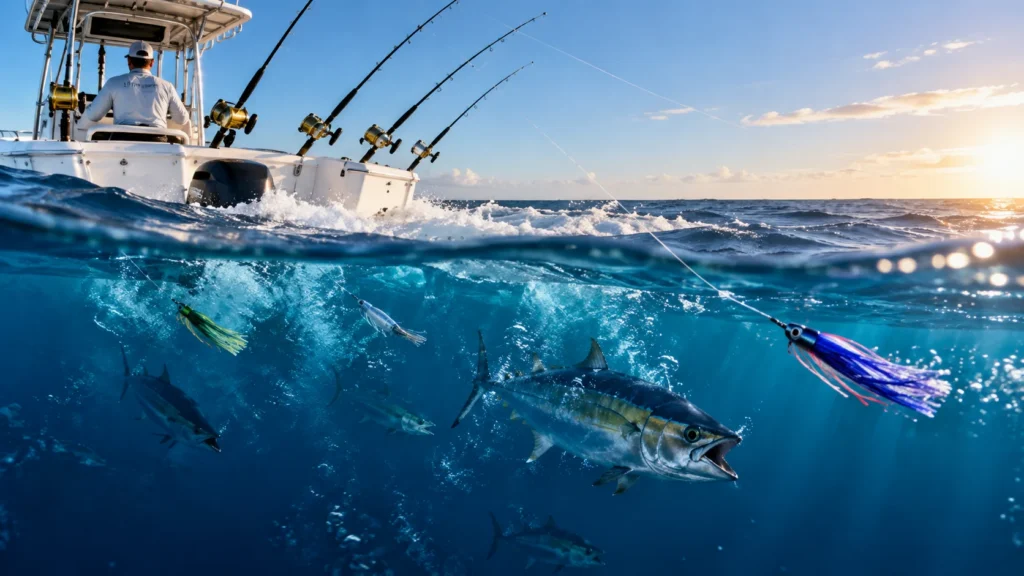
Trolling is a fishing method where one or more baited lines or lures are pulled through the water while a boat is moving. The idea is simple: instead of casting a lure and retrieving it, anglers use the movement of the boat to make the lure travel through the water. This method is used in freshwater and saltwater fishing and can target many different species. Depending on the location, boat speed, lure type, and depth, anglers may catch anything from bass and trout to tuna, wahoo, salmon, and marlin. Trolling is popular because it allows anglers to cover a large area of water while presenting lures at different depths and speeds. Quick Beginner Setup If you are new to trolling, keep your setup simple: Start with one or two rods rather than several lines. Keep the boat at a steady speed and experiment with the lure’s distance and depth until you find what works. How Does Trolling Work? The basic process involves letting a lure or bait trail behind a moving boat. As the boat moves, the lure travels through the water and creates movement that can attract nearby fish. When a fish strikes, the angler reels in the line and fights the fish from the boat. The lure can be positioned close to the surface or deeper in the water. Anglers use different equipment to control how deep the presentation runs. The boat does not always need to move quickly. Different species respond to different speeds, so anglers adjust their speed based on the fish they are targeting and the type of lure being used. Why Do Anglers Use This Fishing Method? One of the biggest advantages is the amount of water that can be covered. When casting from a fixed position, anglers are generally limited to the area within casting distance. A moving boat allows the angler to search a much larger area. This can be especially helpful when fish are spread out or their exact location is unknown. It also allows anglers to test different depths. Several lines can be placed at different distances behind the boat, allowing the angler to cover multiple parts of the water column. What Is the Difference Between Trolling and Casting? Casting and trolling both use artificial lures or bait, but the presentation is different. With casting, the angler throws a lure toward a specific area and retrieves it. The lure’s movement is controlled mainly by the angler. With trolling, the boat provides much of the movement. The lure is pulled through the water as the boat travels. Casting can be useful when fish are concentrated around structures, shorelines, rocks, vegetation, or other specific areas. Trolling can be useful when fish are moving through open water or when anglers need to search a large area. Many anglers use both methods during the same fishing trip. What Fish Can You Catch While Trolling? The species you can target depend heavily on where you are fishing. In freshwater, anglers may use this technique for: In saltwater, it is commonly used for: Different fish respond to different lure movements, speeds, depths, and bait choices. There is no single setup that works for every species. What Lures Are Used for Trolling? There are many types of lures available, and the right choice depends on the fish and water conditions. Diving Plugs Diving plugs are designed to move below the surface when pulled through the water. Their shape and lip design determine how deep they run. They are widely used in freshwater fishing and can also be used in saltwater. Spoons Spoons create a flashing and wobbling action as they move through the water. They are commonly used when targeting fish that respond to a moving, reflective presentation. Soft Plastics Soft plastic lures can imitate baitfish, worms, squid, or other prey. They can be rigged in different ways and used at different depths. Skirted Lures Skirted lures are particularly common in offshore fishing. Their movement creates a visual presentation that can attract larger predatory fish. Natural Bait Trolling does not have to involve artificial lures. Natural bait can also be presented behind a moving boat. Baitfish, squid, and other natural offerings may be rigged to create a natural swimming action. How Deep Should You Troll? There is no universal trolling depth. Fish may be near the surface, suspended in the middle of the water column, or holding close to the bottom. Water temperature, sunlight, food availability, weather, season, and fish behavior can all influence where fish are found. Anglers use several methods to control depth. Some lures naturally dive when pulled through the water, while others require additional equipment. Downriggers are one of the most effective tools for precise depth control. They use a weighted ball attached to a cable to take the fishing line down to a chosen depth. Divers, planer boards, lead-core line, and weighted lines can also help place lures deeper in the water. What Speed Is Best? Boat speed is one of the most important parts of this fishing method. The ideal speed depends on the species and lure. Some presentations work best at slow speeds, while others are designed to move quickly. Fast-moving lures can be particularly useful when targeting aggressive predators. Rather than focusing on one exact speed, anglers often adjust the boat until the lure produces the desired action. Modern fish finders and GPS units can also help anglers repeat productive trolling speeds and routes. What Equipment Do You Need? You do not need an enormous amount of specialized equipment to get started. A basic setup may include: For deeper or offshore fishing, additional equipment may be necessary. Heavy-duty rods and reels, stronger line, fighting belts, outriggers, downriggers, and specialized terminal tackle may all have a role depending on the species. The important thing is to match the equipment to the fish you are targeting. Using lightweight gear for a large offshore species can result in broken tackle, lost fish, or unsafe situations. What Is a Trolling Rod? A

What Is Trolling in Fishing? A Complete Guide Read More »

Afternoon Hours

The 10 Most Popular Fish To Catch in Islamorada

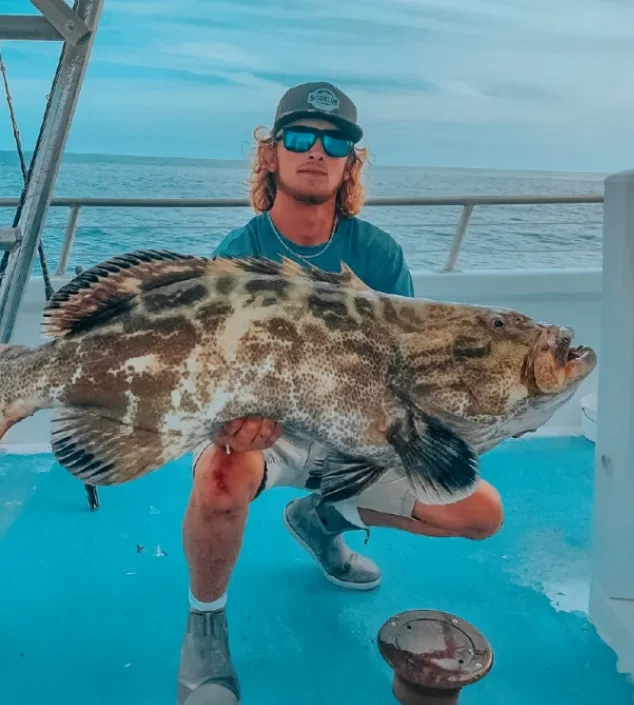
Islamorada is often called the Sportfishing Capital of the World, and for good reason. Located in the Florida Keys between the Atlantic Ocean and Florida Bay, this destination offers anglers an incredible variety of fishing opportunities. Whether you enjoy offshore deep sea adventures, reef fishing, backcountry exploration, or shallow water flats fishing, Islamorada has it all. The unique geography of Islamorada allows fishermen to target many different species within a short distance. Warm waters, coral reefs, deep ocean currents, and protected backcountry areas create the perfect environment for fish to thrive year round. In this guide, we will explore the 10 most popular fish to catch in Islamorada. These species are sought after because of their size, strength, flavor, or overall fishing excitement. Popular Fish To Catch in Islamorada 10. Barracuda Barracuda are known for their speed and sharp teeth. They are aggressive predators that often strike hard and fast. While they are not always the top target for food, they are exciting to catch. Barracuda are commonly found near reefs, wrecks, and shallow flats. They are often spotted cruising just below the surface. Their long, silver bodies and powerful runs make them a thrilling catch for both beginners and experienced anglers. Barracuda can be caught year round in Islamorada, making them a reliable option when other species are less active. 9. Jack Crevalle Jack Crevalle is a powerful fighter. They may not be prized for their taste, but they are famous for their strength. When hooked, they make long runs and put up a serious fight. These fish are often found in schools and can appear suddenly in feeding frenzies. They are common in backcountry waters, around bridges, and along the flats. If you want action and excitement, Jack Crevalle delivers a memorable fight. 8. Cobia Cobia are large, strong fish that are both fun to catch and excellent to eat. They often swim near reefs, wrecks, and channel markers. Cobia can be curious and may follow rays or sharks. They are known for their stubborn resistance when hooked. Anglers value them for their size and delicious firm meat. Cobia fishing is best during cooler months and spring, though they can be caught at other times of the year as well. 7. Bonefish Bonefish are one of the most sought after species in the shallow flats of Islamorada. They are fast, cautious, and challenging to catch. Flats fishing for bonefish requires patience and skill. Anglers often spot them in shallow, clear water and cast carefully to avoid spooking them. When hooked, bonefish make incredibly fast runs, earning them the nickname grey ghost. Catching one is considered an accomplishment among anglers. 6. Permit Permit are highly respected in the flats fishing world. They are known for being difficult to catch and extremely selective. These fish are commonly found on shallow flats and near wrecks. They require precise casting and presentation. Many anglers consider permit one of the most challenging species to target. Landing a permit in Islamorada is a moment many fishermen never forget. 5. Snapper Snapper are among the most popular reef fish in Islamorada. Species such as yellowtail snapper and mangrove snapper are commonly targeted. Snappers are not only fun to catch but also excellent table fare. They are often found around reefs, bridges, and mangroves. Snapper fishing can be productive year round. They are a great option for families and beginners because they are plentiful and cooperative. 4. Grouper Grouper are powerful bottom dwelling fish that live near reefs and wrecks. They are prized for their size and delicious flavor. When hooked, grouper often try to return quickly to their rocky homes. This makes them strong and determined fighters. Several types of grouper are found in Islamorada waters. Anglers appreciate them for both the challenge and the reward at the dinner table. 3. Sailfish Sailfish are one of the most exciting offshore species in Islamorada. Known for their large dorsal fin and incredible speed, sailfish are built for performance. They are often caught during the winter months when cold fronts push baitfish offshore. Sailfish are known for dramatic jumps and long runs once hooked. Catching a sailfish is considered a major achievement. Their beauty and power make them one of the most respected game fish in the area. 2. Mahi Mahi Mahi mahi, also known as dolphin fish, are colorful, fast growing, and great tasting fish. They are popular targets for offshore anglers, especially in spring and summer. Mahi mahi are often found around floating debris, weed lines, and offshore currents. They are known for their bright green and blue colors. When hooked, mahi mahi put on an exciting show, often jumping out of the water. They are also one of the best tasting fish in the ocean, making them a favorite among visitors. 1. Tarpon Tarpon are the most iconic fish in Islamorada. Often called the silver king, tarpon are famous for their size, strength, and acrobatic jumps. These massive fish can weigh over 100 pounds. They migrate through Islamorada waters in the spring and early summer, attracting anglers from around the world. Tarpon fishing is both challenging and thrilling. When hooked, they leap high into the air and make powerful runs. Landing a tarpon requires patience, skill, and sometimes a bit of luck. For many anglers, catching a tarpon in Islamorada is a bucket list experience. Why Islamorada Is Perfect for Fishing Islamorada offers a rare advantage. Anglers can fish the Atlantic Ocean, the Florida Bay, coral reefs, deep sea waters, and shallow flats all within a short boat ride. The warm climate allows for year round fishing. Different species peak during different seasons, ensuring that there is always something to target. The combination of experienced fishing guides, abundant marine life, and diverse fishing environments makes Islamorada one of the top fishing destinations in the world. Best Time to Fish in Islamorada While fishing is available year round, certain species peak during specific seasons: Planning your trip based on your target species increases your

The 10 Most Popular Fish To Catch in Islamorada Read More »

Islamorada Best Party Boat Fishing Spots

What’s the Best Spot to Fish on a Party Boat in Islamorada?

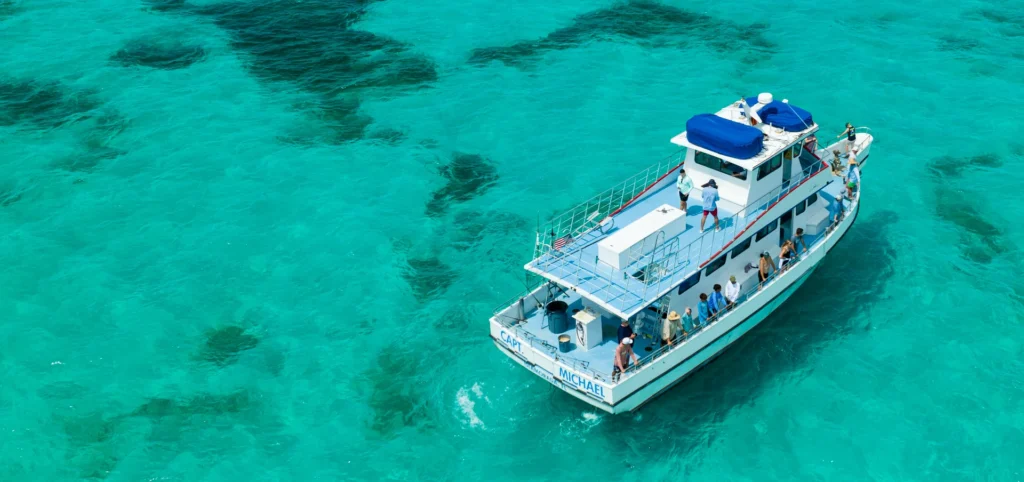
Islamorada is known as the Sport Fishing Capital of the World. Located in the Florida Keys, it draws anglers from everywhere eager to explore Islamorada Best Party Boat Fishing Spots and experience some of the finest fishing waters in the country. The truth is that there is no single perfect spot. The best fishing location depends on the season, weather conditions, water temperature, and the type of fish you want to catch. However, there are several well known and productive fishing areas that party boats commonly visit. In this guide, you will learn about the top fishing spots near Islamorada, what makes each location special, and what you can expect when fishing from a party boat. What Is a Party Boat? Before we talk about fishing spots, it helps to understand what a party boat is. A party boat is a large fishing boat that takes a group of anglers out to fish together. Unlike private charters, you share the boat with other guests. This makes it more affordable and social. Party boats usually provide: The captain and crew choose the fishing location based on where the fish are biting that day. Islamorada Best Party Boat Fishing Spots Islamorada sits between the Atlantic Ocean and Florida Bay. This unique location gives anglers access to different types of fishing environments, including: Because of this variety, party boats have many options when deciding where to fish. The waters around Islamorada are home to species such as: The variety of fish is one reason Islamorada is so popular. The Florida Keys Reef Tract One of the most productive fishing areas for party boats in Islamorada is the Florida Keys Reef Tract. This reef system runs parallel to the Keys and is one of the largest coral reef systems in North America. Why the Reef Is So Popular The reef provides structure, which attracts fish. Fish gather around coral formations because they offer food and protection. Party boats often anchor near reef edges to target: Yellowtail snapper fishing is especially popular on party boats. These fish are known for their steady action and good eating quality. If you are looking for consistent bites and a fun group fishing experience, the reef is often the best spot. The Islamorada Humps Another famous fishing area is the Islamorada Humps. These are underwater seamounts that rise from deep water. They are located several miles offshore in the Atlantic. Why the Humps Are Special The underwater structure causes currents to push nutrients upward. This attracts bait fish, which then attract larger predator fish. When conditions are right, party boats may head to the humps to target: Fishing at the humps can be more action packed and may involve deeper water techniques. This area is best when the weather is calm and the captain feels conditions are safe for offshore travel. Wreck Fishing Areas There are several artificial and natural wrecks near Islamorada. Wrecks create structure on the ocean floor, which attracts fish looking for shelter and feeding opportunities. What You Can Catch at Wrecks Party boats fishing near wrecks often target: Wreck fishing can be exciting because larger fish often hold close to structure. It may require a bit more strength and technique, especially if you hook a strong fish that tries to return to the wreck. The Edge of the Gulf Stream When conditions are right, some party boats may head toward the edge of the Gulf Stream. The Gulf Stream is a powerful ocean current that brings warm, nutrient rich water past the Florida Keys. What Makes It Productive The moving water attracts pelagic species that roam open water. Depending on the season, you might catch: This type of fishing often involves trolling rather than anchoring. It can be very exciting, especially if fast moving fish are active. However, not all party boats go this far every day. It depends on weather and the targeted species. Florida Bay Side Fishing While many party boats focus on the Atlantic side, some fishing opportunities exist on the Florida Bay side. Florida Bay offers shallower waters and calmer conditions in certain weather patterns. Although party boats more commonly fish reefs and offshore waters, bay areas can provide: The bay can be a good option when winds make the Atlantic side rough. How Captains Choose the Best Spot The best fishing spot is not fixed. It changes daily. Captains consider: Experienced captains constantly monitor where fish are active. They communicate with other boats and rely on years of local knowledge. When you board a party boat, you are trusting the captain to choose the most productive area for that day. Seasonal Fishing Patterns in Islamorada Fishing in Islamorada changes with the seasons. Winter During winter months, sailfish and king mackerel are common targets. The reef remains productive for snapper. Spring Spring can bring strong action for snapper and grouper. Mahi mahi begin to appear offshore. Summer Summer often means calm seas and excellent reef fishing. Mahi mahi are more common offshore. Fall Fall can offer a mix of species, with snapper and mackerel still active. Knowing the season helps set realistic expectations for your trip. What Makes a Spot the Best for You The best spot depends on your goals. If you want steady action and great eating fish, the reef is often ideal. If you want the chance at larger offshore species, the humps or Gulf Stream edge may be better. If you prefer calmer waters, the captain may choose a protected area. Party boat fishing is about teamwork and shared experience. Sometimes the fun comes not only from the location but from the excitement of fishing with others. Tips for a Successful Party Boat Trip To make the most of your experience: The crew works hard to help everyone have a good time and catch fish. Why Experience Matters Islamorada waters are diverse and ever changing. Choosing the right fishing spot requires knowledge and experience. A skilled captain understands how currents move around reefs, how fish react

What’s the Best Spot to Fish on a Party Boat in Islamorada? Read More »