Key Takeaways
- Sport fishing is a recreational activity focused on the enjoyment, skill, and challenge of catching fish rather than commercial harvesting.
- There are many types of sport fishing, including freshwater, saltwater, inshore, and offshore fishing, each offering unique experiences and target species.
- Sport fishing is suitable for beginners and experienced anglers alike, especially when joining a guided fishing charter that provides equipment and expert instruction.
- Following responsible fishing practices, including local regulations and catch-and-release guidelines when appropriate, helps protect fish populations and marine ecosystems.
- Sport fishing combines adventure, relaxation, and time in nature, making it a rewarding outdoor activity for individuals, families, and groups of all skill levels.
Sport fishing is one of the most exciting ways to enjoy the outdoors while testing your skills on the water. Whether you’re chasing powerful offshore game fish or casting a line in calm coastal waters, sport fishing offers an experience that goes far beyond simply catching fish. It’s about the thrill of the chase, spending time in nature, and creating lasting memories with family and friends.
Unlike commercial fishing, which focuses on catching fish for sale, sport fishing is done primarily for recreation, competition, and personal enjoyment. Millions of people around the world participate in sport fishing every year, making it one of the most popular outdoor activities.
In this guide, you’ll learn what sport fishing is, how it works, the different types of sport fishing, the equipment you’ll need, popular fish species, and why so many anglers enjoy this rewarding hobby.
What Is Sport Fishing?
Sport fishing, also known as recreational fishing or game fishing, is the practice of catching fish for enjoyment rather than for commercial purposes. Anglers fish for the excitement, challenge, and experience of landing different species, often releasing their catch back into the water after it has been caught.
Sport fishing can take place in oceans, rivers, lakes, bays, estuaries, and offshore waters. Some people fish from the shoreline, while others prefer boats or fishing charters that provide access to deeper waters.
One of the biggest attractions of sport fishing is that every trip is different. Weather conditions, tides, fish behavior, and the season all play a role in what you might catch.
How Does Sport Fishing Work?
Sport fishing involves using a rod, reel, fishing line, bait, or artificial lures to attract fish. The goal is to hook a fish and reel it in while using skill and technique to prevent it from escaping.
Depending on where you’re fishing, different methods may be used, including:
- Casting
- Trolling
- Bottom fishing
- Jigging
- Fly fishing
- Drift fishing
Each method is designed to target different species and fishing conditions.
Sport Fishing vs Commercial Fishing
Although both involve catching fish, the purpose is completely different.
Sport Fishing
- Done for recreation
- Focuses on the fishing experience
- Often practices catch and release
- Smaller catches
- Personal enjoyment
Commercial Fishing
- Done for business
- Fish are sold for food
- Large-scale operations
- Uses commercial vessels
- Focuses on maximizing catch
Sport fishing is about the challenge and enjoyment rather than making a profit.
Types of Sport Fishing
There are many ways to enjoy sport fishing depending on where you are and what species you hope to catch.
Freshwater Fishing
Freshwater sport fishing takes place in lakes, ponds, rivers, and streams.
Common freshwater species include:
- Bass
- Trout
- Pike
- Catfish
- Crappie
Freshwater fishing is often ideal for beginners because it requires less specialized equipment.
Saltwater Fishing
Saltwater fishing occurs in oceans, bays, and coastal waters.
Popular saltwater fish include:
- Snapper
- Grouper
- Mackerel
- Kingfish
- Cobia
- Barracuda
Saltwater fishing offers a wide variety of fish sizes and experiences.
Offshore Sport Fishing
Offshore fishing takes anglers miles away from shore into deeper water.
Here you may target:
- Sailfish
- Mahi-Mahi
- Tuna
- Wahoo
- Marlin
Offshore fishing often provides the biggest challenge and the opportunity to catch trophy fish.
Inshore Fishing
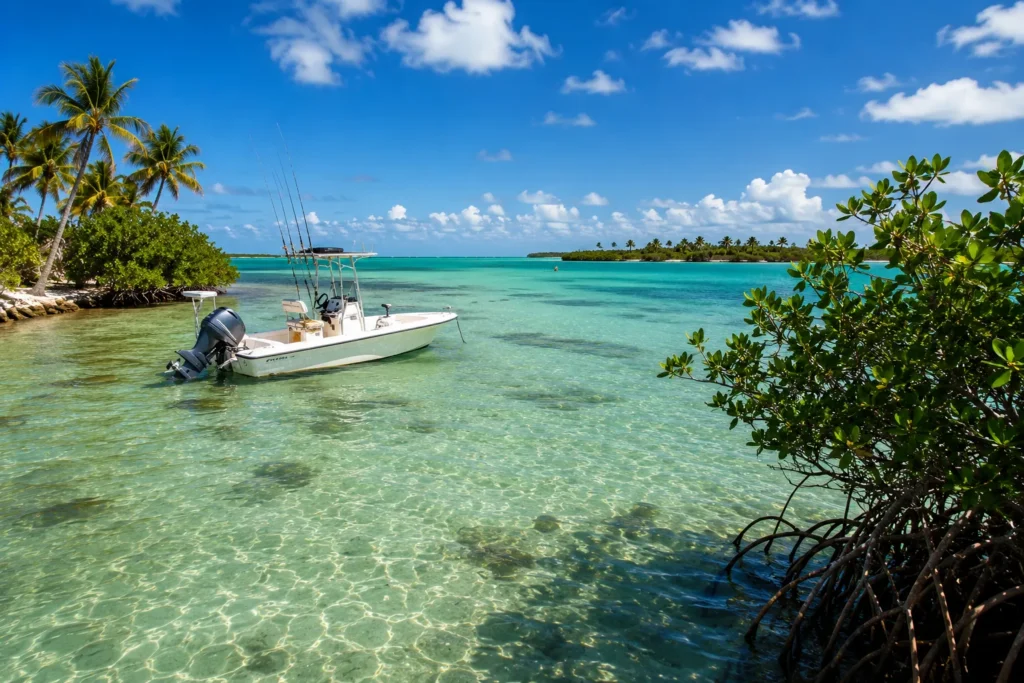
Inshore fishing takes place closer to the coastline.
Popular inshore species include:
- Redfish
- Snook
- Tarpon
- Speckled Trout
Inshore trips are often shorter and suitable for beginners and families.
Why Do People Enjoy Sport Fishing?
Sport fishing offers much more than simply catching fish.
The Excitement
Every cast brings the possibility of landing a new species or a personal best catch.
Time Outdoors
Fishing allows people to disconnect from daily routines while enjoying beautiful natural surroundings.
Relaxation
Many anglers find fishing peaceful and stress-relieving.
Family Time
Sport fishing is an activity that families can enjoy together regardless of experience level.
Learning New Skills
Fishing teaches patience, observation, knot tying, casting, and fish identification.
Is Sport Fishing Difficult?
No. One of the best things about sport fishing is that beginners can learn quickly.
Most guided fishing charters provide:
- Fishing rods
- Reels
- Bait
- Tackle
- Safety equipment
- Fishing instruction
Experienced captains and crew help beginners learn the basics while improving their chances of catching fish.
Equipment Used in Sport Fishing
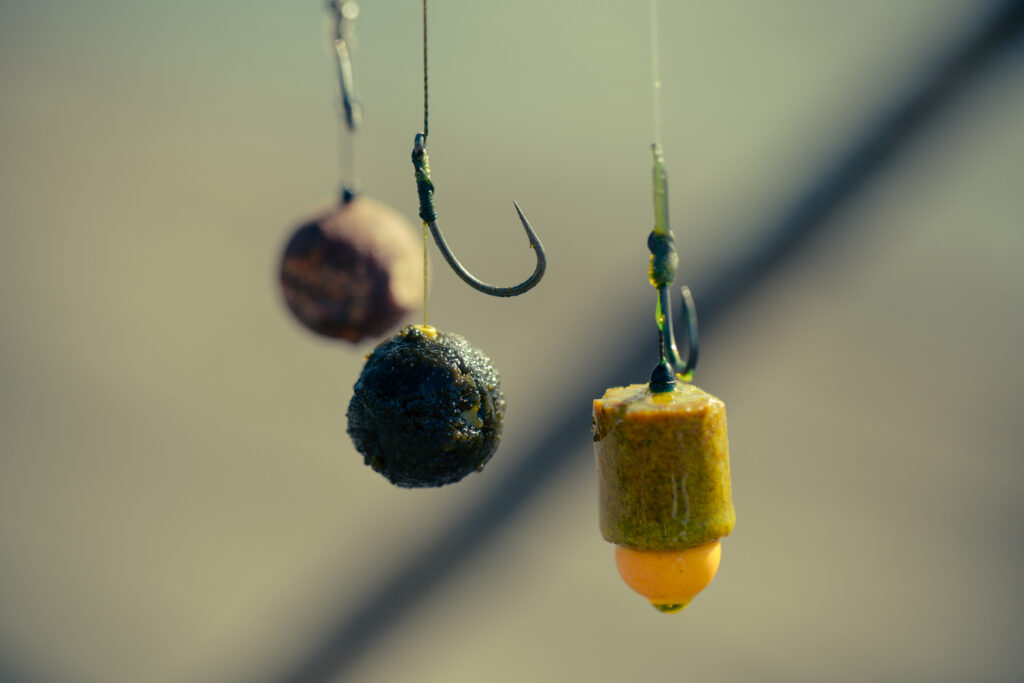
The equipment varies depending on the type of fishing.
Common gear includes:
- Fishing rod
- Fishing reel
- Fishing line
- Hooks
- Sinkers
- Floats
- Artificial lures
- Live bait
- Landing net
- Pliers
For offshore fishing, heavier equipment is typically used to handle larger fish.
Popular Fish Caught During Sport Fishing
The fish available depend on location and season.
Popular sport fish include:
Sailfish
Known for incredible speed and spectacular jumps.
Mahi-Mahi
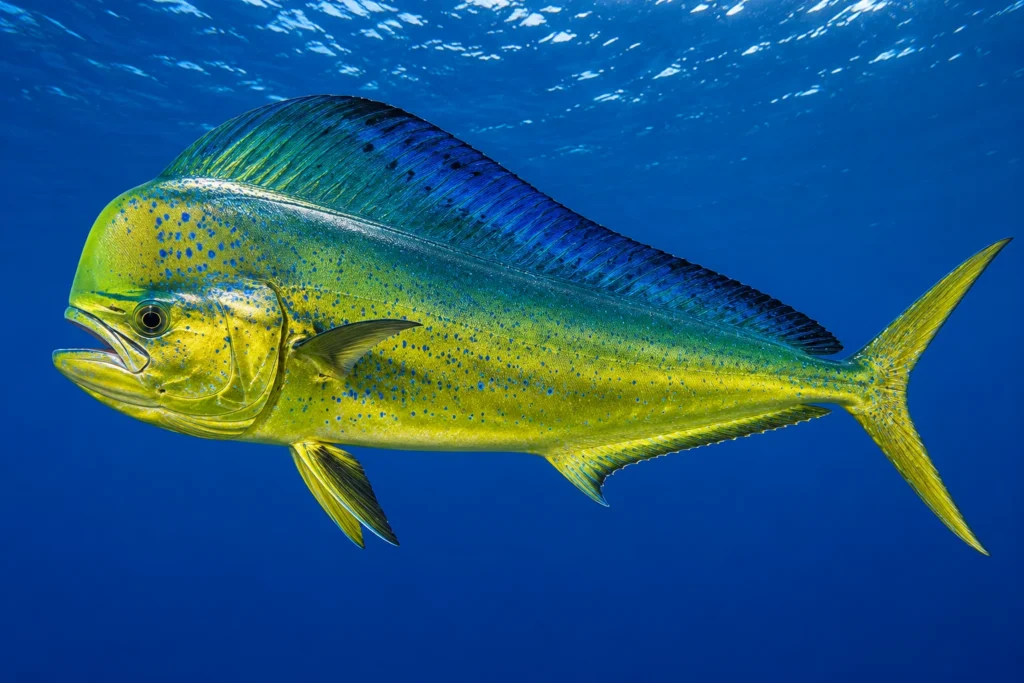
Colorful fish famous for exciting fights and fast swimming.
Tuna
Strong, powerful fish that challenge experienced anglers.
Wahoo
Fast predators capable of making long, powerful runs.
Snapper
A favorite among recreational anglers because they’re abundant and fun to catch.
Grouper
Large bottom-dwelling fish that require patience and strength.
Tarpon
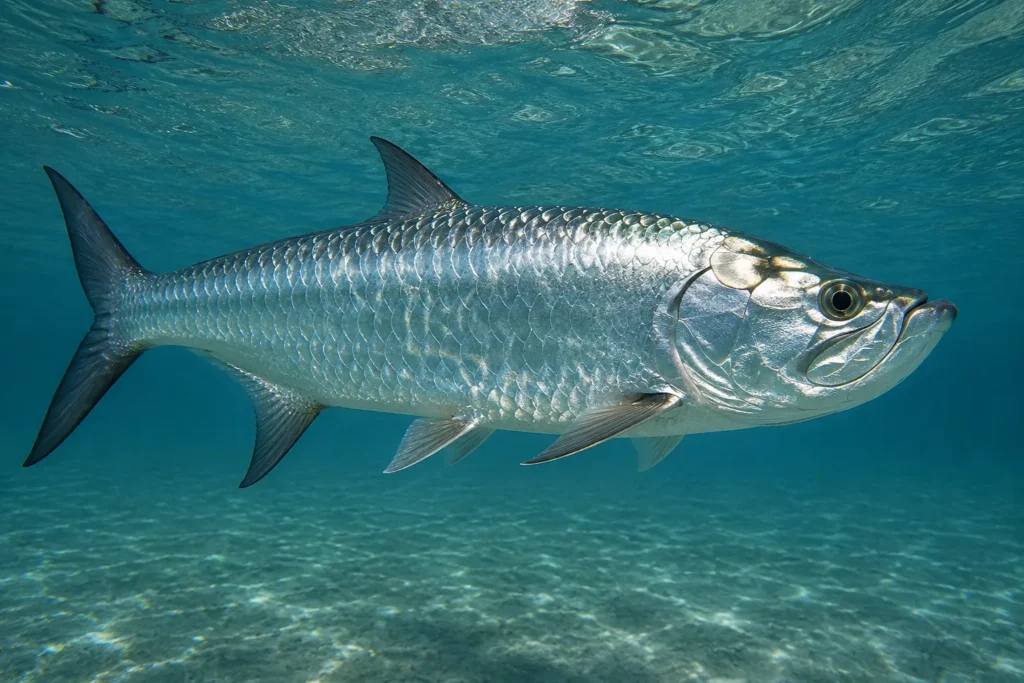
Known as the “Silver King,” tarpon are famous for their dramatic jumps.
Snook
Popular among inshore anglers because of their powerful runs.
Catch and Release
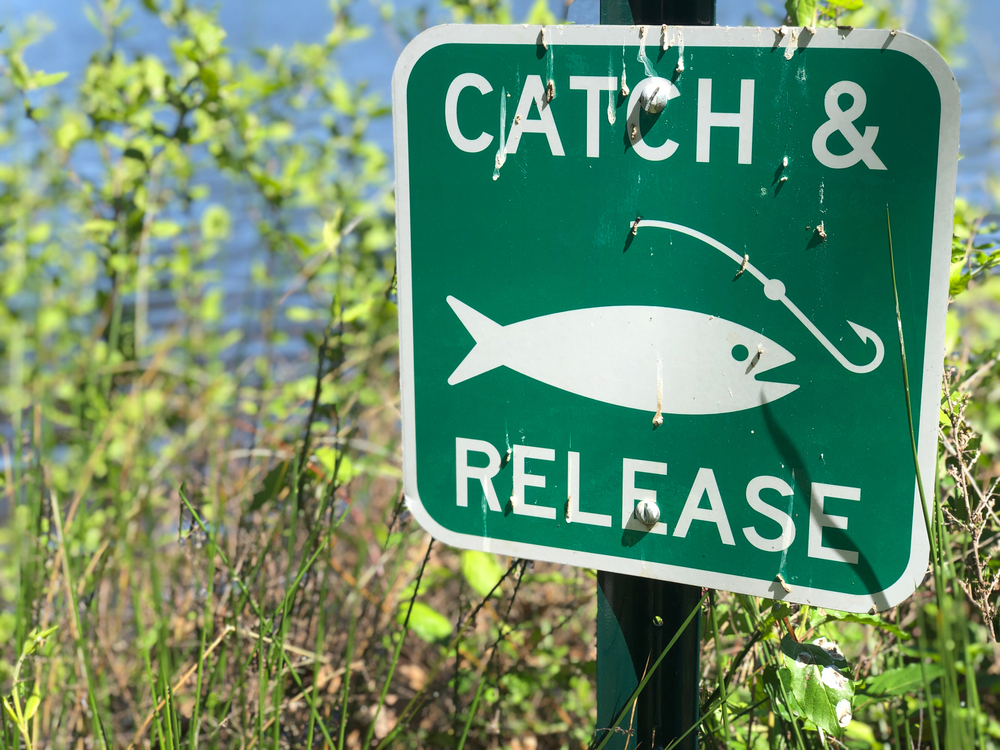
Many sport anglers practice catch and release.
This involves:
- Landing the fish carefully
- Removing the hook safely
- Returning the fish to the water quickly
Catch and release helps conserve fish populations while allowing future anglers to enjoy the same experience.
Is Sport Fishing Safe?
Yes, when proper safety precautions are followed.
Safety tips include:
- Wear a life jacket when appropriate
- Listen to your captain
- Stay hydrated
- Wear sunscreen
- Use sunglasses
- Watch your footing
- Handle hooks carefully
Following basic safety rules helps ensure an enjoyable day on the water.
Best Time for Sport Fishing
Fishing conditions change throughout the year.
Factors that affect fishing include:
- Water temperature
- Fish migration
- Tides
- Weather
- Time of day
- Moon phases
Many species are most active during the early morning and late afternoon.
What Should You Wear?
Comfort is important during a fishing trip.
Recommended clothing includes:
- Lightweight long-sleeve shirt
- Fishing shorts or pants
- Non-slip shoes
- Hat
- Polarized sunglasses
- Sunscreen
Quick-drying clothing works best when spending long hours on the water.
What Should You Bring?
Although most fishing charters provide equipment, you may want to bring:
- Water
- Snacks
- Camera
- Motion sickness medication
- Sunglasses
- Hat
- Sunscreen
- Small cooler for personal items
Always check with your charter operator before your trip.
Can Beginners Try Sport Fishing?
Absolutely.
Most people catch their first fish during a guided fishing trip.
Experienced captains know where fish are feeding and help beginners learn:
- Casting
- Reeling
- Hook setting
- Fighting fish
- Landing fish safely
No previous experience is necessary.
Is Sport Fishing Good for Families?
Yes.
Many fishing charters welcome families with children.
Kids often enjoy:
- Catching smaller fish
- Learning about marine life
- Seeing dolphins and birds
- Spending time outdoors
Fishing creates memories that families often remember for years.
Sport Fishing Tournaments
Many anglers eventually participate in tournaments.
These competitions may reward:
- Largest fish
- Most fish
- Specific species
- Catch and release achievements
Some tournaments support conservation while raising money for local charities.
Environmental Responsibility
Responsible anglers help protect marine ecosystems.
Good practices include:
- Following local fishing regulations
- Respecting catch limits
- Avoiding litter
- Protecting marine habitats
- Practicing ethical fishing
Conservation ensures healthy fish populations for future generations.
Why Sport Fishing Continues to Grow
Sport fishing continues to gain popularity because it combines adventure, relaxation, and skill in one activity.
Unlike many hobbies, every trip offers something different. You never know what fish you’ll encounter, making each outing exciting.
Whether you’re fishing inshore, offshore, freshwater, or saltwater, every cast creates a new opportunity.
FAQs About Sport Fishing
Is Sport Fishing the Same as Deep Sea Fishing?
No. Sport fishing is a broad term for recreational fishing, while deep sea fishing is one type of sport fishing that takes place in offshore waters.
Do You Need a Fishing License for Sport Fishing?
Fishing license requirements vary by location. Some guided fishing charters include the necessary licenses for their guests, while others may require anglers to obtain one separately.
What Is the Difference Between Live Bait and Artificial Lures?
Live bait uses natural bait such as shrimp or baitfish to attract fish, while artificial lures are designed to imitate the appearance and movement of prey.
Can You Keep the Fish You Catch During Sport Fishing?
It depends on local fishing regulations, the species, and the charter’s policies. Some fish can be kept within legal limits, while others must be released.
How Long Does a Typical Sport Fishing Trip Last?
Sport fishing trips can range from a few hours to a full day or even multiple days, depending on the type of fishing and the destination.
What Happens If the Weather Is Bad on the Day of a Fishing Trip?
If weather conditions are unsafe, many fishing charters reschedule the trip or provide a refund based on their cancellation policy.
Can You Go Sport Fishing Year-Round?
Yes, sport fishing is available throughout the year in many locations, although the best seasons vary depending on the target fish species and local conditions.
What Is the Best Age to Start Sport Fishing?
There is no set age. Many children can begin sport fishing with adult supervision using age-appropriate equipment and following basic safety guidelines.
Can You Take Home Fish Caught on a Charter Trip?
Many charter operators will clean and prepare your legal catch for you to take home, though this depends on local regulations and the species caught.
What Are the Most Common Mistakes Beginners Make During Sport Fishing?
Common beginner mistakes include using the wrong tackle, setting the hook too early, reeling too quickly, ignoring the captain’s instructions, and not checking the drag on the reel before casting.
Conclusion
Sport fishing is much more than catching fish. It’s an outdoor adventure that combines skill, patience, excitement, and a deep appreciation for nature. From calm inshore waters to exciting offshore fishing grounds, anglers of all ages can enjoy the challenge of pursuing a wide variety of fish species while creating unforgettable memories on the water.
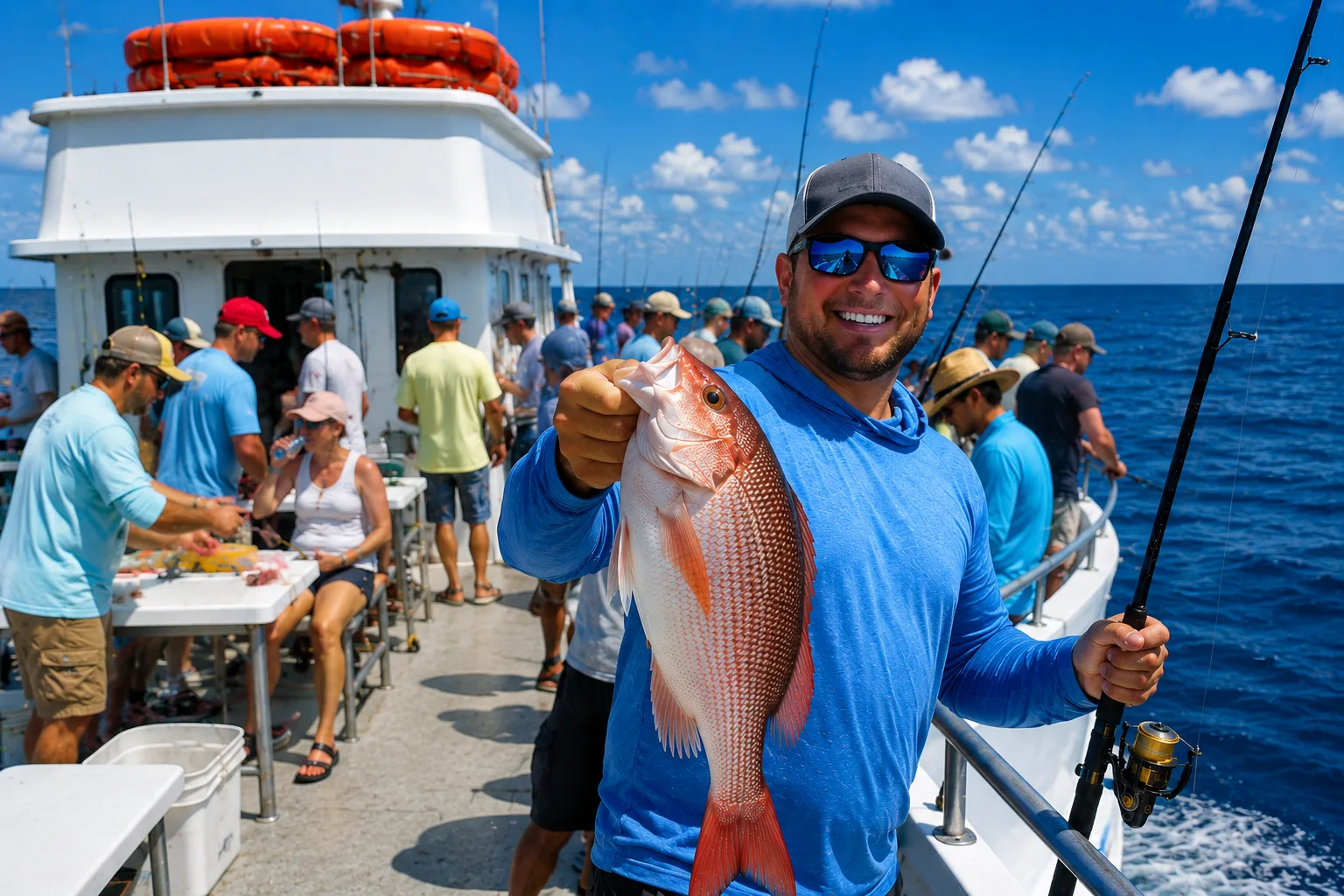
If you’re planning a visit to the Florida Keys or Islamorada, sport fishing is one of the area’s most popular outdoor activities. Whether you’re an experienced angler or trying it for the first time, booking a guided trip with Captain Michael Party Boat Fishing is a great way to experience the excitement of reef and wreck fishing while exploring some of the most productive fishing waters in the Florida Keys. Their experienced crew, quality equipment, and welcoming atmosphere make it easy for beginners and seasoned anglers alike to enjoy an unforgettable day on the water.