Key Takeaways
- Offshore fishing takes place in deep ocean waters, typically many miles from the shoreline, where larger game fish are commonly found.
- Popular offshore catches include mahi-mahi, tuna, sailfish, marlin, snapper, and grouper, depending on the season and location.
- Most offshore fishing charters provide the boat, fishing equipment, bait, and guidance, making them suitable for both beginners and experienced anglers.
- Proper preparation, including sun protection, comfortable clothing, and staying hydrated, helps make your offshore fishing trip more enjoyable.
- Offshore fishing offers an exciting combination of adventure, beautiful ocean scenery, and the opportunity to catch trophy fish while creating lasting memories on the water.
Offshore fishing is one of the most exciting ways to experience the open ocean. Unlike fishing close to shore, offshore fishing takes you miles out into deeper waters where larger and more powerful fish are commonly found. It offers the chance to catch species that are rarely seen in shallow coastal areas, making it a favorite activity for both experienced anglers and adventurous beginners.
Whether you’re planning your first offshore fishing trip or simply want to learn more about it, understanding what offshore fishing involves can help you prepare for a successful and enjoyable day on the water.
In this guide, we’ll explain what offshore fishing is, how it works, what fish you can catch, what equipment is used, and what to expect during an offshore fishing adventure.
What Is Offshore Fishing?
Offshore fishing, also called deep sea fishing, is fishing that takes place far from the shoreline in deeper ocean waters.
Most offshore fishing trips travel anywhere from 10 to 100 miles or more from land, depending on the location, weather, and the fish being targeted.
The goal is to reach deeper waters where larger game fish live and feed.
Unlike inshore fishing, which is done in bays, flats, mangroves, or near beaches, offshore fishing focuses on the open ocean.
What Makes Offshore Fishing Different?
Several features set offshore fishing apart from other types of fishing.
These include:
- Fishing in deep ocean waters
- Traveling farther from shore
- Targeting larger fish species
- Using heavier fishing equipment
- Spending more time on the water
- Often fishing around reefs, wrecks, or underwater structures
Because of these differences, offshore fishing offers a unique experience that many anglers consider the ultimate fishing adventure.
How Far Offshore Do You Go?
The distance depends on several factors, including:
- Local fishing grounds
- Water depth
- Weather conditions
- Target fish species
- Boat size
Some trips stay about 10 to 20 miles offshore, while others travel much farther into deep ocean waters.
The captain chooses the best fishing locations based on current conditions and fish activity.
Why Do People Go Offshore Fishing?
Offshore fishing offers opportunities that are difficult to find near the shoreline.
Many anglers enjoy it because they can:
- Catch larger fish
- Experience the open ocean
- Challenge their fishing skills
- Visit productive fishing grounds
- Spend time with family and friends
- Enjoy beautiful ocean scenery
For many people, the excitement of fighting a powerful fish is one of the biggest attractions.
What Fish Can You Catch Offshore?
The exact species depend on where you’re fishing, but offshore waters are home to many popular game fish.
Common catches include:
- Mahi-mahi
- Tuna
- Sailfish
- Marlin
- Wahoo
- King mackerel
- Amberjack
- Grouper
- Snapper
- Cobia
Seasonal migrations may affect which fish are available throughout the year.
What Is the Best Time for Offshore Fishing?
Offshore fishing can be productive throughout the year in many coastal regions.
However, the best time depends on:
- Water temperature
- Fish migration
- Weather
- Local fishing seasons
Different species are more active during certain months, so many anglers plan trips based on the fish they hope to catch.
How Long Does an Offshore Fishing Trip Last?
Trip lengths vary depending on the fishing destination and package you choose.
Common trip lengths include:
- Half-day trips
- Three-quarter-day trips
- Full-day trips
- Extended trips
- Overnight fishing trips
- Multi-day adventures
Longer trips usually travel farther offshore and provide more opportunities to catch larger fish.
What Type of Boat Is Used?
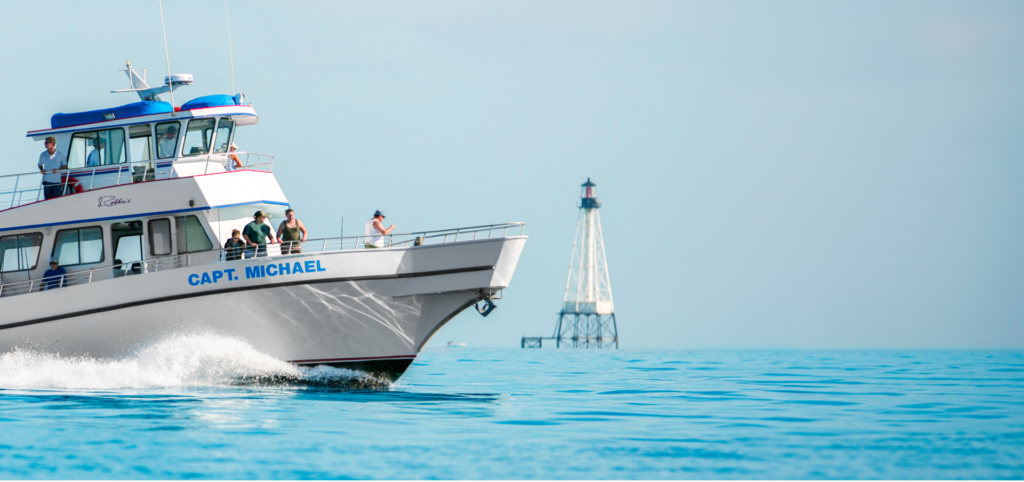
Offshore fishing requires boats built to handle open ocean conditions.
These boats often include:
- Powerful engines
- GPS navigation
- Fish finders
- Safety equipment
- Rod holders
- Live bait wells
- Large storage areas
- Comfortable seating
Many charter boats also provide shade, restrooms, and covered seating areas.
What Equipment Is Used?
Offshore fishing requires stronger gear than freshwater or inshore fishing.
Typical equipment includes:
Heavy-Duty Rods
These rods are designed to handle large, hard-fighting fish.
Conventional Reels
Powerful reels allow anglers to battle fish that may weigh hundreds of pounds.
Strong Fishing Line
Heavy fishing line helps prevent break-offs during long fights.
Leaders
Steel or heavy monofilament leaders protect against sharp teeth and rough underwater structures.
Hooks
Hook size depends on the target species.
Larger fish generally require stronger hooks.
What Types of Bait Are Used?
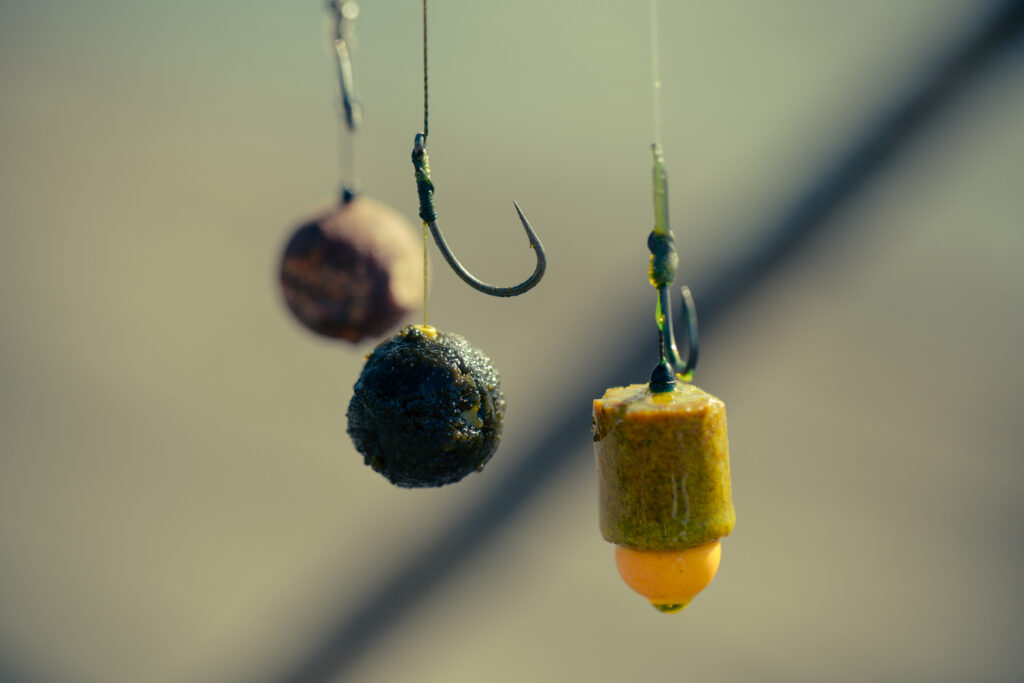
Both live bait and artificial lures are commonly used.
Popular live bait includes:
- Sardines
- Pilchards
- Ballyhoo
- Squid
- Threadfin herring
Artificial lures may imitate baitfish and attract predatory species.
The captain usually decides which bait works best based on current fishing conditions.
Common Offshore Fishing Techniques
Different fish require different fishing methods.
Some of the most popular techniques include:
Trolling
Trolling involves pulling bait or lures behind a moving boat.
This method is effective for fast-swimming fish such as:
- Mahi-mahi
- Wahoo
- Tuna
- Sailfish
Bottom Fishing
Bottom fishing targets species that stay near reefs, wrecks, and the ocean floor.
Popular catches include:
- Snapper
- Grouper
- Amberjack
Drift Fishing
In drift fishing, the boat moves naturally with the current while anglers fish at different depths.
This method covers more water without using the engine continuously.
Jigging
Jigging uses heavy metal lures that move quickly through the water to attract aggressive fish.
This technique requires active participation from anglers.
Is Offshore Fishing Good for Beginners?
Yes.
Many first-time anglers enjoy offshore fishing by booking a guided charter.
Experienced captains and crew members usually provide:
- Fishing equipment
- Bait
- Instructions
- Help with casting
- Assistance landing fish
- Fish cleaning after the trip
Beginners can focus on enjoying the experience while learning new skills.
Is Offshore Fishing Safe?
Offshore fishing is generally safe when conducted with experienced captains and properly maintained boats.
Professional charter operators monitor:
- Weather forecasts
- Ocean conditions
- Safety equipment
- Navigation systems
Passengers should always follow the crew’s instructions and wear safety gear when required.
What Should You Bring on an Offshore Fishing Trip?
Being prepared can make your trip more comfortable and enjoyable.
Here are some items to bring:
- Sunscreen
- Polarized sunglasses
- Hat
- Lightweight, long-sleeve clothing
- Non-slip shoes
- Rain jacket
- Camera or smartphone
- Motion sickness medication if needed
- Snacks, if allowed
- Plenty of water
Some charter boats provide food and drinks, while others ask guests to bring their own.
What Should You Wear?
Comfort and protection from the sun are important.
The best clothing includes:
- Moisture-wicking shirts
- Quick-drying shorts or pants
- Wide-brim hat or cap
- Comfortable shoes with non-marking soles
- Lightweight jacket for early mornings
Avoid wearing sandals with little grip, as boat decks can become slippery.
What Happens During an Offshore Fishing Charter?
Every charter is different, but most trips follow a similar schedule.
Meet at the Marina
Guests usually arrive 30 to 45 minutes before departure.
The captain and crew explain the day’s plan and review safety procedures.
Travel to the Fishing Grounds
Depending on the trip, the ride to the fishing area may take anywhere from 30 minutes to several hours.
During the journey, passengers can enjoy ocean views and may even spot dolphins, sea turtles, or seabirds.
Start Fishing
Once the boat reaches the fishing grounds, the crew prepares the rods, bait, and tackle.
They’ll explain the fishing techniques and help everyone get started.
Catch and Land Fish
When a fish bites, the crew provides guidance to help you reel it in safely.
Landing a large fish can be exciting and may take several minutes, depending on the species.
Return to the Marina
At the end of the trip, the boat heads back to shore.
Many charter services also clean and fillet your catch so it’s ready to take home.
What Are the Benefits of Offshore Fishing?
Offshore fishing offers much more than the chance to catch fish.
Some of the biggest benefits include:
Opportunity to Catch Trophy Fish
Many of the ocean’s largest and strongest fish live offshore.
For anglers hoping to catch a fish of a lifetime, deep waters offer exciting possibilities.
Beautiful Ocean Views
Being surrounded by open water creates a peaceful and unforgettable experience.
Sunrises, sunsets, and endless ocean horizons make every trip special.
Time With Family and Friends
Fishing is a great way to spend quality time together away from everyday distractions.
Many families make offshore fishing a vacation tradition.
Learning New Skills
Every trip is an opportunity to improve your fishing knowledge.
You’ll learn about:
- Fish behavior
- Fishing techniques
- Bait selection
- Ocean conditions
- Safe boating practices
Offshore Fishing vs. Inshore Fishing
Both types of fishing offer enjoyable experiences, but they are quite different.
| Offshore Fishing | Inshore Fishing |
| Takes place in deep ocean waters | Takes place near the shoreline |
| Targets larger game fish | Targets smaller coastal species |
| Requires larger boats | Often uses smaller boats |
| Usually lasts longer | Often shorter trips |
| Uses heavier fishing equipment | Uses lighter tackle |
| May travel many miles offshore | Usually stays within bays, flats, or estuaries |
The best choice depends on your experience, interests, and the type of fish you’d like to catch.
Can You Keep the Fish You Catch?
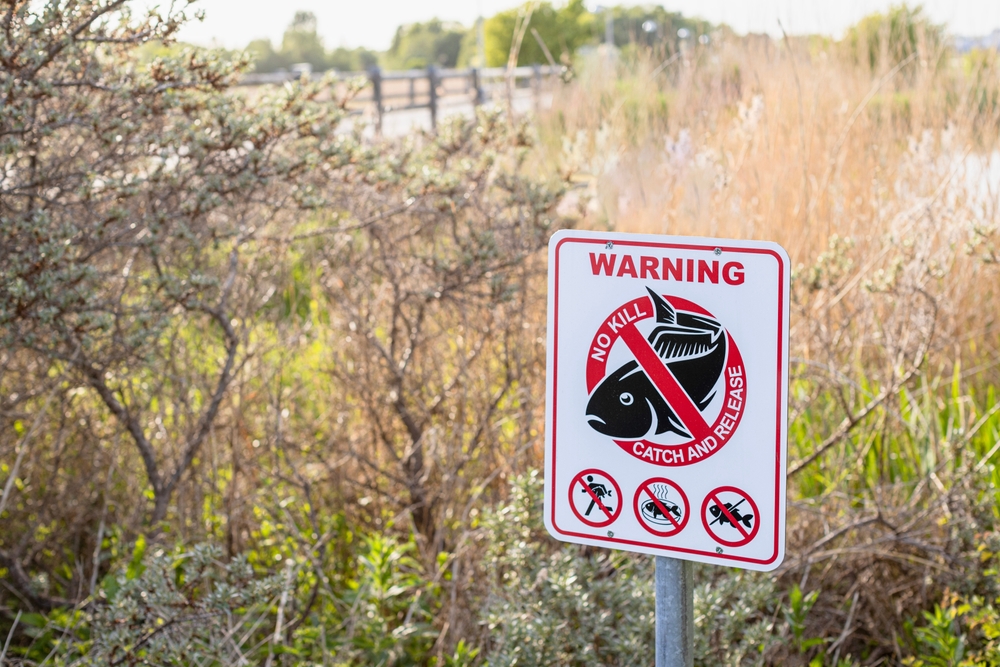
In many cases, yes.
However, local fishing regulations may include:
- Size limits
- Bag limits
- Seasonal restrictions
- Protected species
Professional charter captains know the regulations and help ensure all fishing follows local laws.
If a fish must be released, the crew will do so carefully to improve its chances of survival.
Is Offshore Fishing Suitable for Children?
Yes, many offshore fishing charters welcome families with children. Before booking, ask whether the trip is appropriate for younger anglers.
Some charter companies offer shorter family-friendly trips that are ideal for beginners.
What Happens if the Weather Changes?
Weather conditions can change quickly on the ocean.
Experienced captains closely monitor forecasts before and during every trip.
If conditions become unsafe, they may:
- Return to shore early
- Change fishing locations
- Reschedule the trip
- Cancel the trip before departure
Safety is always the top priority.
Tips for a Successful Offshore Fishing Trip
A few simple tips can improve your experience.
Listen to the Crew
The captain and crew know where the fish are and how to catch them.
Following their advice can increase your chances of success.
Stay Hydrated
Spending hours in the sun can lead to dehydration.
Drink water regularly throughout the trip.
Be Patient
Fishing requires patience.
Some days the fish bite quickly, while other days require more time and persistence.
Protect Yourself From the Sun
Use sunscreen throughout the day and wear protective clothing.
Keep an Open Mind
Even if you don’t catch the fish you were hoping for, the experience of being on the ocean is rewarding.
Is Offshore Fishing Worth It?
For many anglers, offshore fishing is one of the most exciting outdoor adventures available.
The combination of open water, experienced crews, powerful fish, and beautiful scenery creates an experience that’s difficult to match.
Whether you’re an experienced angler chasing trophy fish or a beginner looking for your first deep sea fishing trip, offshore fishing offers excitement, learning, and unforgettable memories.
FAQs About Offshore Fishing
How deep is the water during offshore fishing?
It varies by location, but offshore fishing often takes place in waters ranging from several hundred feet to thousands of feet deep.
Do I need fishing experience?
No. Most offshore fishing charters welcome beginners and provide all the guidance needed.
Will fishing equipment be provided?
Yes. Most charter boats include rods, reels, bait, tackle, and other necessary equipment as part of the trip.
Can I keep my catch?
In many cases, yes, as long as the fish meets local size and season regulations.
What if I get seasick?
If you’re prone to motion sickness, talk to your healthcare provider about preventive medication before your trip and choose a calm weather day when possible.
Is offshore fishing physically demanding?
Landing larger fish can require strength and endurance, but the crew is usually available to assist when needed.
Can offshore fishing be done year-round?
In many coastal areas, yes. However, the best seasons depend on the species you’re targeting and local weather conditions.
Are fishing licenses required?
Many offshore fishing charters include the necessary fishing licenses for their guests, but it’s always a good idea to confirm before your trip.
Can beginners catch large fish?
Absolutely. With guidance from an experienced captain and crew, first-time anglers often catch impressive fish on offshore trips.
Conclusion
Offshore fishing is an exciting way to experience the open ocean while targeting some of the most sought-after game fish in the world. From trolling for fast-moving pelagic species to bottom fishing over reefs and wrecks, every trip offers the chance for adventure, learning, and unforgettable memories.
If you’re visiting the Florida Keys and want to experience offshore fishing in Islamorada, Captain Michael’s Party Boat Fishing offers professionally guided fishing charters for anglers of all skill levels. With experienced captains, quality equipment, and access to some of the best fishing grounds in the Keys, it’s a great way to enjoy an unforgettable day on the water.