Cpt. Michael

Fishing

What is drift fishing?

What Is Drift Fishing? A Complete Guide

Key Takeaways Drift fishing is a technique where a boat moves naturally with wind or water current while anglers fish. It can be used in lakes, rivers, bays, estuaries, and offshore waters. Live bait, cut bait, and artificial lures can all be effective for drift fishing. Controlling drift speed and keeping bait at the right depth are important for success. Wind, current, tides, water depth, and underwater structure can all affect your drift. A drift sock can help slow the boat when wind or current is moving it too quickly. Drift fishing is a simple and effective fishing method that uses the natural movement of wind, water, or current to move a boat while you fish. Instead of keeping the boat in one fixed position, anglers allow the boat to drift across an area while presenting bait or lures to fish. This method is popular because it lets anglers cover more water without constantly operating the boat. Drift fishing can be used in lakes, rivers, bays, coastal waters, and offshore areas. It can also target many different types of fish. Whether you are new to fishing or have experience on the water, understanding how drift fishing works can help you decide when and where to use this technique. What Is Drift Fishing? Drift fishing is a fishing technique where a boat moves naturally with the wind or water current while anglers fish from the boat. The boat is usually allowed to move at a controlled speed. As it drifts, anglers cast or drop their bait into the water and cover different areas. Once the boat moves through the productive area, the angler can reposition the boat and make another drift. The goal is often to present bait or a lure naturally while covering a larger area than would be possible from an anchored boat. Drift fishing can be done in shallow or deep water. The equipment and fishing technique depend on the species being targeted and the water conditions. How Does Drift Fishing Work? The basic idea behind drift fishing is straightforward. First, the angler identifies an area where fish are likely to be feeding or holding. This could be a reef, drop-off, grass bed, channel, shoreline, underwater structure, or another productive area. The boat is then positioned upwind or up-current from the area. Instead of anchoring, the captain allows the boat to move naturally with the conditions. As the boat drifts, anglers present their bait or lures at different depths. They can cast, jig, bottom fish, or use other techniques depending on the target species. Once the boat has moved through the desired area, the captain can motor back to the starting point and repeat the drift. Why Do Anglers Use Drift Fishing? One of the biggest advantages of drift fishing is that it allows anglers to cover water. Fish are not always concentrated in one small location. They may be spread across a large area or move throughout the day. Drifting allows anglers to present bait to fish in multiple locations without having to constantly move the boat under power. Drift fishing can also create a natural presentation. When the boat, bait, and current are moving together, bait can appear less stationary and more like something naturally moving through the water. Another advantage is that drift fishing can be used in many different environments. Where Can You Go Drift Fishing? Drift fishing can be used in several types of water. Lakes Drift fishing is commonly used in lakes, particularly when wind creates a consistent movement across the water. Anglers may drift over points, flats, weed beds, drop-offs, or other areas where fish are likely to gather. The direction and speed of the wind can determine how the boat moves, so anglers often adjust their starting position based on the conditions. Rivers Drift fishing can be especially useful in rivers because current naturally moves the boat. Anglers can allow the current to carry the boat downstream while fishing different sections of the river. This can be effective around deep holes, bends, submerged structure, and areas where fish gather to feed. River drift fishing requires attention to current speed, obstacles, boat traffic, and water conditions. Bays and Estuaries Bays and estuaries can offer excellent opportunities for drift fishing. Moving tides create currents that can help move the boat through productive areas. Anglers may drift across grass flats, channels, oyster beds, drop-offs, and other areas where fish feed. Coastal and Offshore Waters Drift fishing is also used in saltwater. Offshore anglers may drift over reefs, wrecks, ledges, and other underwater structures. The target species can vary widely depending on the location. Species such as snapper, grouper, mackerel, flounder, and other saltwater fish may be caught using different drift fishing techniques. What Fish Can You Catch While Drift Fishing? The species you can catch while drift fishing depend on the location, season, water conditions, and fishing technique. Freshwater anglers may target bass, crappie, walleye, catfish, trout, and other species. In saltwater, drift fishing can target species such as snapper, grouper, flounder, kingfish, mackerel, tarpon, and many others. The technique can also be adjusted to target fish near the surface, in the middle of the water column, or near the bottom. Understanding where the target fish are feeding is one of the most important parts of successful drift fishing. Drift Fishing vs Anchoring Drift fishing and anchored fishing use two very different approaches. When a boat is anchored, it remains in one general location. This can be useful when fish are concentrated around a specific structure or when anglers want to repeatedly fish one productive spot. With drift fishing, the boat moves through the area. This allows anglers to cover more water and find fish that may be spread out. Neither technique is always better. The right choice depends on the fish, location, current, wind, depth, and conditions. Drift Fishing vs Trolling Drift fishing and trolling are also different. During trolling, a boat moves under power while one or more fishing lines
What Is Drift Fishing? A Complete Guide Read More »

What is sport fishing?

Sport Fishing – A Complete Guide

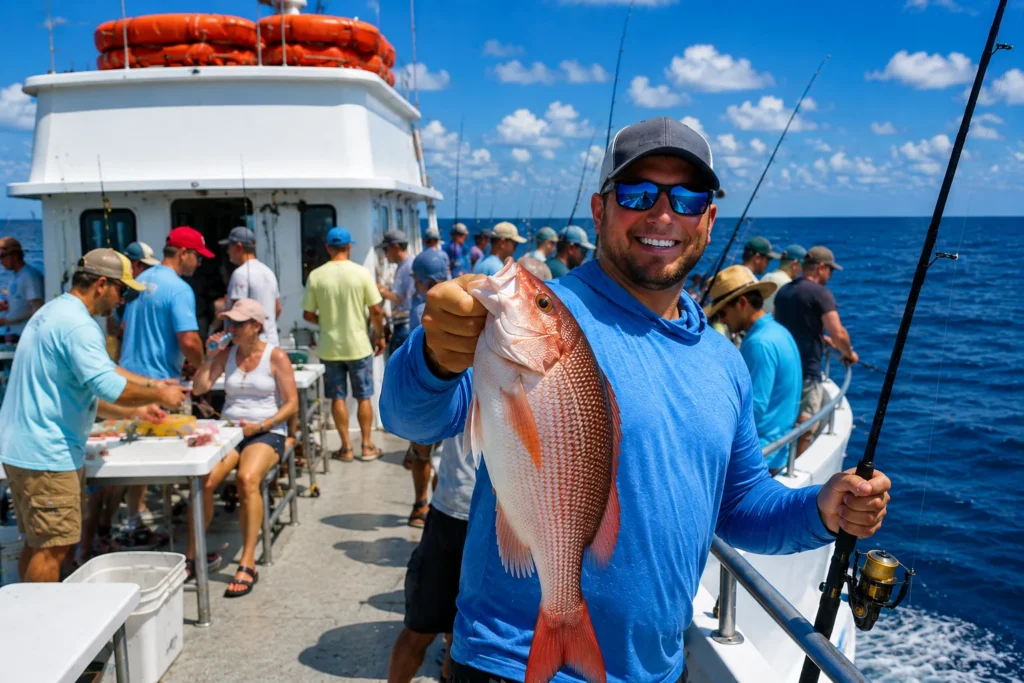
Key Takeaways Sport fishing is a recreational activity focused on the enjoyment, skill, and challenge of catching fish rather than commercial harvesting. There are many types of sport fishing, including freshwater, saltwater, inshore, and offshore fishing, each offering unique experiences and target species. Sport fishing is suitable for beginners and experienced anglers alike, especially when joining a guided fishing charter that provides equipment and expert instruction. Following responsible fishing practices, including local regulations and catch-and-release guidelines when appropriate, helps protect fish populations and marine ecosystems. Sport fishing combines adventure, relaxation, and time in nature, making it a rewarding outdoor activity for individuals, families, and groups of all skill levels. Sport fishing is one of the most exciting ways to enjoy the outdoors while testing your skills on the water. Whether you’re chasing powerful offshore game fish or casting a line in calm coastal waters, sport fishing offers an experience that goes far beyond simply catching fish. It’s about the thrill of the chase, spending time in nature, and creating lasting memories with family and friends. Unlike commercial fishing, which focuses on catching fish for sale, sport fishing is done primarily for recreation, competition, and personal enjoyment. Millions of people around the world participate in sport fishing every year, making it one of the most popular outdoor activities. In this guide, you’ll learn what sport fishing is, how it works, the different types of sport fishing, the equipment you’ll need, popular fish species, and why so many anglers enjoy this rewarding hobby. What Is Sport Fishing? Sport fishing, also known as recreational fishing or game fishing, is the practice of catching fish for enjoyment rather than for commercial purposes. Anglers fish for the excitement, challenge, and experience of landing different species, often releasing their catch back into the water after it has been caught. Sport fishing can take place in oceans, rivers, lakes, bays, estuaries, and offshore waters. Some people fish from the shoreline, while others prefer boats or fishing charters that provide access to deeper waters. One of the biggest attractions of sport fishing is that every trip is different. Weather conditions, tides, fish behavior, and the season all play a role in what you might catch. How Does Sport Fishing Work? Sport fishing involves using a rod, reel, fishing line, bait, or artificial lures to attract fish. The goal is to hook a fish and reel it in while using skill and technique to prevent it from escaping. Depending on where you’re fishing, different methods may be used, including: Each method is designed to target different species and fishing conditions. Sport Fishing vs Commercial Fishing Although both involve catching fish, the purpose is completely different. Sport Fishing Commercial Fishing Sport fishing is about the challenge and enjoyment rather than making a profit. Types of Sport Fishing There are many ways to enjoy sport fishing depending on where you are and what species you hope to catch. Freshwater Fishing Freshwater sport fishing takes place in lakes, ponds, rivers, and streams. Common freshwater species include: Freshwater fishing is often ideal for beginners because it requires less specialized equipment. Saltwater Fishing Saltwater fishing occurs in oceans, bays, and coastal waters. Popular saltwater fish include: Saltwater fishing offers a wide variety of fish sizes and experiences. Offshore Sport Fishing Offshore fishing takes anglers miles away from shore into deeper water. Here you may target: Offshore fishing often provides the biggest challenge and the opportunity to catch trophy fish. Inshore Fishing Inshore fishing takes place closer to the coastline. Popular inshore species include: Inshore trips are often shorter and suitable for beginners and families. Why Do People Enjoy Sport Fishing? Sport fishing offers much more than simply catching fish. The Excitement Every cast brings the possibility of landing a new species or a personal best catch. Time Outdoors Fishing allows people to disconnect from daily routines while enjoying beautiful natural surroundings. Relaxation Many anglers find fishing peaceful and stress-relieving. Family Time Sport fishing is an activity that families can enjoy together regardless of experience level. Learning New Skills Fishing teaches patience, observation, knot tying, casting, and fish identification. Is Sport Fishing Difficult? No. One of the best things about sport fishing is that beginners can learn quickly. Most guided fishing charters provide: Experienced captains and crew help beginners learn the basics while improving their chances of catching fish. Equipment Used in Sport Fishing The equipment varies depending on the type of fishing. Common gear includes: For offshore fishing, heavier equipment is typically used to handle larger fish. Popular Fish Caught During Sport Fishing The fish available depend on location and season. Popular sport fish include: Sailfish Known for incredible speed and spectacular jumps. Mahi-Mahi Colorful fish famous for exciting fights and fast swimming. Tuna Strong, powerful fish that challenge experienced anglers. Wahoo Fast predators capable of making long, powerful runs. Snapper A favorite among recreational anglers because they’re abundant and fun to catch. Grouper Large bottom-dwelling fish that require patience and strength. Tarpon Known as the “Silver King,” tarpon are famous for their dramatic jumps. Snook Popular among inshore anglers because of their powerful runs. Catch and Release Many sport anglers practice catch and release. This involves: Catch and release helps conserve fish populations while allowing future anglers to enjoy the same experience. Is Sport Fishing Safe? Yes, when proper safety precautions are followed. Safety tips include: Following basic safety rules helps ensure an enjoyable day on the water. Best Time for Sport Fishing Fishing conditions change throughout the year. Factors that affect fishing include: Many species are most active during the early morning and late afternoon. What Should You Wear? Comfort is important during a fishing trip. Recommended clothing includes: Quick-drying clothing works best when spending long hours on the water. What Should You Bring? Although most fishing charters provide equipment, you may want to bring: Always check with your charter operator before your trip. Can Beginners Try Sport Fishing? Absolutely. Most people catch their first fish during a guided fishing trip.

Sport Fishing – A Complete Guide Read More »

What is drift fishing?

What Is Offshore Fishing? A Complete Guide

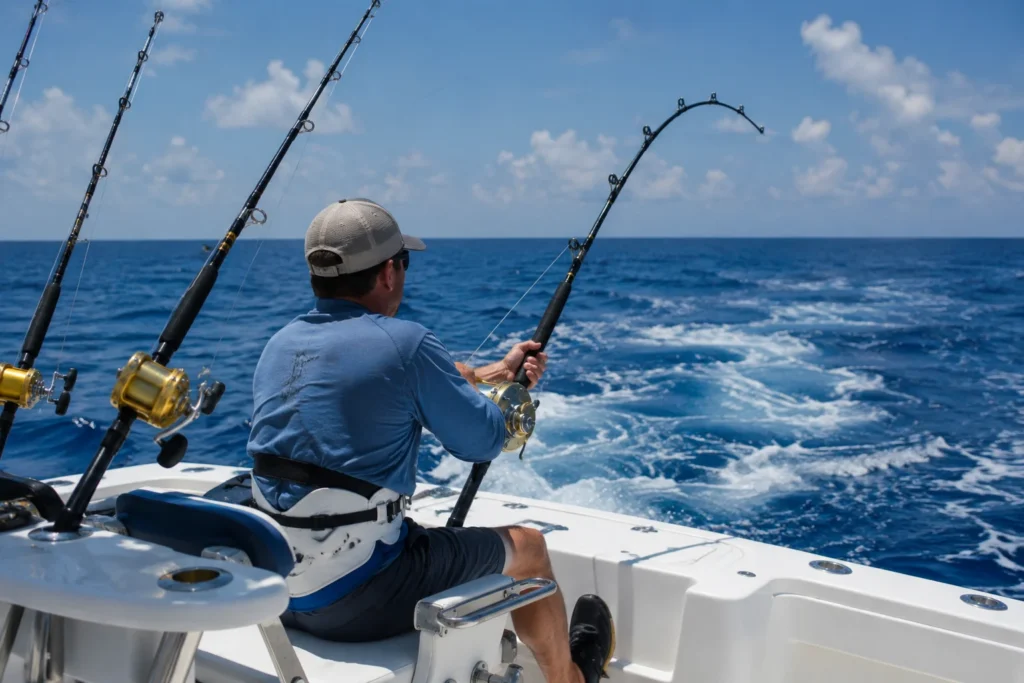
Key Takeaways Offshore fishing takes place in deep ocean waters, typically many miles from the shoreline, where larger game fish are commonly found. Popular offshore catches include mahi-mahi, tuna, sailfish, marlin, snapper, and grouper, depending on the season and location. Most offshore fishing charters provide the boat, fishing equipment, bait, and guidance, making them suitable for both beginners and experienced anglers. Proper preparation, including sun protection, comfortable clothing, and staying hydrated, helps make your offshore fishing trip more enjoyable. Offshore fishing offers an exciting combination of adventure, beautiful ocean scenery, and the opportunity to catch trophy fish while creating lasting memories on the water. Offshore fishing is one of the most exciting ways to experience the open ocean. Unlike fishing close to shore, offshore fishing takes you miles out into deeper waters where larger and more powerful fish are commonly found. It offers the chance to catch species that are rarely seen in shallow coastal areas, making it a favorite activity for both experienced anglers and adventurous beginners. Whether you’re planning your first offshore fishing trip or simply want to learn more about it, understanding what offshore fishing involves can help you prepare for a successful and enjoyable day on the water. In this guide, we’ll explain what offshore fishing is, how it works, what fish you can catch, what equipment is used, and what to expect during an offshore fishing adventure. What Is Offshore Fishing? Offshore fishing, also called deep sea fishing, is fishing that takes place far from the shoreline in deeper ocean waters. Most offshore fishing trips travel anywhere from 10 to 100 miles or more from land, depending on the location, weather, and the fish being targeted. The goal is to reach deeper waters where larger game fish live and feed. Unlike inshore fishing, which is done in bays, flats, mangroves, or near beaches, offshore fishing focuses on the open ocean. What Makes Offshore Fishing Different? Several features set offshore fishing apart from other types of fishing. These include: Because of these differences, offshore fishing offers a unique experience that many anglers consider the ultimate fishing adventure. How Far Offshore Do You Go? The distance depends on several factors, including: Some trips stay about 10 to 20 miles offshore, while others travel much farther into deep ocean waters. The captain chooses the best fishing locations based on current conditions and fish activity. Why Do People Go Offshore Fishing? Offshore fishing offers opportunities that are difficult to find near the shoreline. Many anglers enjoy it because they can: For many people, the excitement of fighting a powerful fish is one of the biggest attractions. What Fish Can You Catch Offshore? The exact species depend on where you’re fishing, but offshore waters are home to many popular game fish. Common catches include: Seasonal migrations may affect which fish are available throughout the year. What Is the Best Time for Offshore Fishing? Offshore fishing can be productive throughout the year in many coastal regions. However, the best time depends on: Different species are more active during certain months, so many anglers plan trips based on the fish they hope to catch. How Long Does an Offshore Fishing Trip Last? Trip lengths vary depending on the fishing destination and package you choose. Common trip lengths include: Longer trips usually travel farther offshore and provide more opportunities to catch larger fish. What Type of Boat Is Used? Offshore fishing requires boats built to handle open ocean conditions. These boats often include: Many charter boats also provide shade, restrooms, and covered seating areas. What Equipment Is Used? Offshore fishing requires stronger gear than freshwater or inshore fishing. Typical equipment includes: Heavy-Duty Rods These rods are designed to handle large, hard-fighting fish. Conventional Reels Powerful reels allow anglers to battle fish that may weigh hundreds of pounds. Strong Fishing Line Heavy fishing line helps prevent break-offs during long fights. Leaders Steel or heavy monofilament leaders protect against sharp teeth and rough underwater structures. Hooks Hook size depends on the target species. Larger fish generally require stronger hooks. What Types of Bait Are Used? Both live bait and artificial lures are commonly used. Popular live bait includes: Artificial lures may imitate baitfish and attract predatory species. The captain usually decides which bait works best based on current fishing conditions. Common Offshore Fishing Techniques Different fish require different fishing methods. Some of the most popular techniques include: Trolling Trolling involves pulling bait or lures behind a moving boat. This method is effective for fast-swimming fish such as: Bottom Fishing Bottom fishing targets species that stay near reefs, wrecks, and the ocean floor. Popular catches include: Drift Fishing In drift fishing, the boat moves naturally with the current while anglers fish at different depths. This method covers more water without using the engine continuously. Jigging Jigging uses heavy metal lures that move quickly through the water to attract aggressive fish. This technique requires active participation from anglers. Is Offshore Fishing Good for Beginners? Yes. Many first-time anglers enjoy offshore fishing by booking a guided charter. Experienced captains and crew members usually provide: Beginners can focus on enjoying the experience while learning new skills. Is Offshore Fishing Safe? Offshore fishing is generally safe when conducted with experienced captains and properly maintained boats. Professional charter operators monitor: Passengers should always follow the crew’s instructions and wear safety gear when required. What Should You Bring on an Offshore Fishing Trip? Being prepared can make your trip more comfortable and enjoyable. Here are some items to bring: Some charter boats provide food and drinks, while others ask guests to bring their own. What Should You Wear? Comfort and protection from the sun are important. The best clothing includes: Avoid wearing sandals with little grip, as boat decks can become slippery. What Happens During an Offshore Fishing Charter? Every charter is different, but most trips follow a similar schedule. Meet at the Marina Guests usually arrive 30 to 45 minutes before departure. The captain and crew explain the day’s plan

What Is Offshore Fishing? A Complete Guide Read More »

What is bottom Fishing

What Is Bottom Fishing? A Complete Guide for Beginners

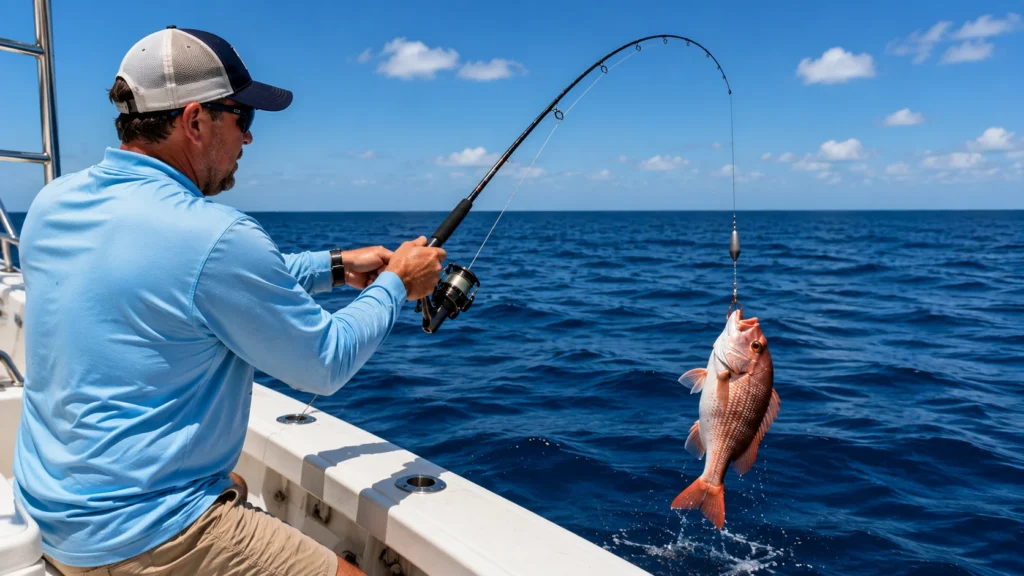
Bottom fishing is one of the most effective and exciting ways to catch fish that live near the ocean floor. Whether you’re fishing from a boat, pier, bridge, or shoreline, this technique targets species that spend most of their time close to reefs, rocks, wrecks, and sandy bottoms. Many popular saltwater fish, including snapper, grouper, hogfish, triggerfish, and amberjack, are commonly caught using bottom fishing techniques. Because of the variety of fish you can catch, bottom fishing is a favorite among both beginners and experienced anglers. In this complete guide, you’ll learn what bottom fishing is, how it works, the equipment you’ll need, the best bait to use, and tips for improving your success on the water. What Is Bottom Fishing? Bottom fishing is a fishing technique that involves dropping your bait or lure to the bottom of a lake, river, or ocean where bottom-dwelling fish live and feed. Unlike surface fishing, where fish are targeted near the top of the water, bottom fishing focuses on species that stay close to the seabed in search of food. The goal is simple: present your bait naturally near the bottom where fish are actively feeding. This method is commonly used in both freshwater and saltwater, but it is especially popular for offshore saltwater fishing. Why Is It Called Bottom Fishing? The name comes from the fact that your bait is placed directly on or just above the bottom of the water. Many fish spend their lives close to structures like: These underwater areas provide shelter, food, and protection from predators, making them ideal places to fish. How Does Bottom Fishing Work? Bottom fishing is a relatively simple technique. After locating a productive fishing area, you lower your bait until your sinker touches the bottom. Once the line reaches the seabed, you reel in slightly to keep the bait just above the bottom. Keeping the bait in this position helps prevent snagging while placing it exactly where many fish are feeding. When a fish bites, you’ll usually feel: Once you recognize the bite, you set the hook and begin reeling in your catch. Where Can You Go Bottom Fishing? Bottom fishing can be enjoyed in many different locations. Offshore Reefs Natural and artificial reefs are among the most productive places for bottom fishing. These structures attract baitfish, which in turn attract larger predator fish. Shipwrecks Sunken ships create artificial habitats where many fish gather for shelter and food. Rocky Bottoms Rock formations provide excellent hiding places for many popular game fish. Ledges and Drop-Offs Sudden changes in depth often concentrate fish because currents bring food to these areas. Bridges and Piers Even anglers without a boat can enjoy bottom fishing from bridges and fishing piers where deeper water is available. Freshwater vs. Saltwater Bottom Fishing Although the basic technique is similar, the target species and equipment can differ. Freshwater Bottom Fishing Common freshwater species include: Saltwater Bottom Fishing Saltwater anglers often target: Saltwater bottom fishing generally requires heavier equipment because many fish are larger and stronger. Fish Commonly Caught While Bottom Fishing One reason bottom fishing is so popular is the variety of species you can catch. Some of the most sought-after fish include: Snapper Snapper are among the most popular bottom fish because they fight hard and are excellent table fare. Grouper Groupers are powerful fish that often try to swim back into reefs immediately after being hooked. Hogfish Known for their mild, delicious flavor, hogfish are commonly found around reefs in warm waters. Triggerfish Triggerfish are aggressive feeders with strong teeth and are often caught while fishing near rocky bottoms. Amberjack Although amberjack sometimes swim higher in the water column, they are frequently caught around reefs and wrecks using bottom fishing techniques. Sea Bass Sea bass are common around reefs and rocky structures and are popular targets for recreational anglers. Essential Bottom Fishing Equipment Using the right equipment can make a big difference. Fishing Rod A medium-heavy or heavy-action rod provides the strength needed to handle larger fish and lift them away from underwater structures. Reel Most anglers use either: Both work well when paired with the appropriate rod. Fishing Line Braided fishing line is popular because it offers: Many anglers also add a fluorocarbon leader for increased abrasion resistance and lower visibility underwater. Hooks The hook you choose depends on the species you’re targeting. Common choices include: Circle hooks are widely recommended because they often hook fish in the corner of the mouth, making catch-and-release easier and reducing injury. Sinkers Sinkers keep your bait on the bottom despite waves and currents. Popular sinker styles include: The weight you need depends on the water depth and current strength. Best Natural Baits for Bottom Fishing Natural bait is extremely effective because many bottom fish rely heavily on scent to locate food. Popular bait choices include: Fresh bait generally produces the best results because it releases more scent into the water. Can You Use Artificial Lures? Yes. Although natural bait is the most common choice, artificial lures can also be highly effective. Popular options include: These lures work especially well when fish are actively feeding or when anglers want to cover more water. Basic Bottom Fishing Rig One of the simplest and most effective setups is the fish finder rig. A typical rig includes: This setup allows fish to take the bait with less resistance, increasing your chances of a successful hookup. Tips for Successful Bottom Fishing If you’re new to bottom fishing, these tips can help improve your results: Best Time for Bottom Fishing Choosing the right time can greatly improve your chances of catching fish. While many bottom-dwelling species feed throughout the day, certain conditions make them more active. Early Morning The hours just after sunrise are often one of the best times to fish. Water temperatures are cooler, and many species move out from reefs and wrecks to feed. Late Afternoon As the sun begins to set, fish often become active again. This is another excellent time for bottom

What Is Bottom Fishing? A Complete Guide for Beginners Read More »

What is Inshore Fishing

What Is Inshore Fishing? A Complete Beginner’s Guide

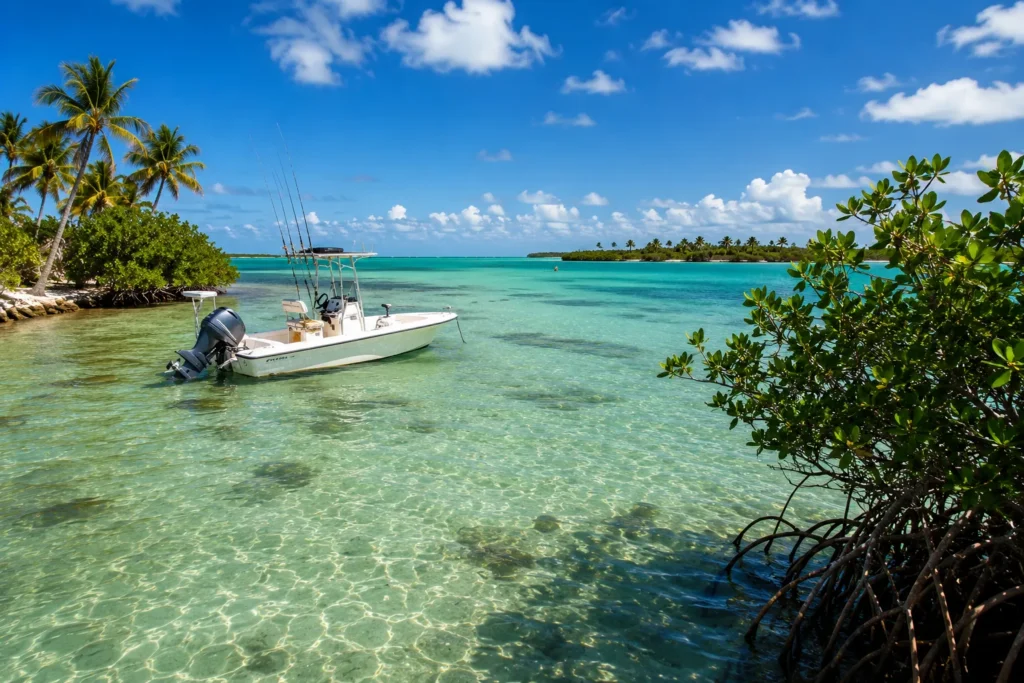
Inshore fishing is one of the most popular ways to enjoy fishing along the coast. It offers an exciting experience for beginners and seasoned anglers alike. Unlike offshore fishing, which takes place far out in the open ocean, inshore fishing happens much closer to land in calmer waters. This makes it a great choice for families, first-time anglers, and anyone looking for a fun day on the water without traveling many miles offshore. Whether you are planning a fishing trip during your vacation or want to learn more about different fishing styles, understanding inshore fishing can help you choose the right adventure. From catching popular game fish to enjoying beautiful coastal scenery, there are many reasons why people love this type of fishing. In this guide, you’ll learn what inshore fishing is, where it takes place, the fish you can catch, the gear used, the best seasons, and tips to make your next fishing trip successful. What Is Inshore Fishing? Inshore fishing refers to fishing in shallow coastal waters that are generally within a few miles of the shoreline. Most inshore fishing takes place in waters less than 30 meters (100 feet) deep, including bays, flats, estuaries, mangrove shorelines, lagoons, rivers, and channels. These waters are protected from large ocean waves, making them calmer and easier to navigate than offshore waters. Because of these conditions, inshore fishing is suitable for anglers of all experience levels. Many people choose inshore fishing because it combines exciting fishing opportunities with comfortable boat rides and beautiful coastal views. Where Does Inshore Fishing Take Place? Inshore fishing can be enjoyed in many coastal environments. Bays Bays provide calm water where many fish gather to feed. Flats Fishing flats are shallow areas with sandy or grassy bottoms where many game fish hunt for food. Mangrove Shorelines Mangroves provide shelter for smaller fish, shrimp, and crabs, making them excellent fishing locations for larger predators. Estuaries Estuaries are places where freshwater rivers meet the ocean. These nutrient-rich waters attract many species throughout the year. Canals and Channels Natural and man-made channels often create strong currents that attract feeding fish. Why Is Inshore Fishing So Popular? There are many reasons why anglers choose inshore fishing. Easier for Beginners Calmer water creates a more comfortable experience, especially for people who are new to boating or fishing. Shorter Travel Time Unlike offshore trips that may require traveling many miles, most inshore fishing spots are only minutes from the marina. Excellent Variety of Fish Many prized game fish spend their lives in coastal waters. Family Friendly Children and first-time anglers often enjoy inshore fishing because of the calmer conditions and frequent opportunities to catch fish. Less Weather Dependent Protected waters usually remain fishable even when offshore conditions become rough. Fish You Can Catch While Inshore Fishing The species available depend on your location and season. Redfish Redfish are one of the most popular inshore game fish. They fight hard and can be found around grass flats, mangroves, and oyster bars. Snook Snook are known for their powerful runs and exciting fights. They often stay near docks, bridges, and mangroves. Speckled Trout Speckled trout are abundant in many coastal waters and are popular with anglers because they actively feed on shrimp and baitfish. Tarpon Known as the “Silver King,” tarpon are famous for their spectacular jumps and powerful fights. Bonefish Bonefish are incredibly fast and challenge even experienced anglers. Black Drum Black drum are commonly caught around docks, bridges, and deeper channels. Flounder Flounder hide along sandy bottoms and strike passing bait. Sheepshead Sheepshead are recognized by their vertical black stripes and strong teeth that help them feed on crabs and shellfish. Mangrove Snapper Mangrove snapper are common around structures and provide excellent table fare. Popular Baits for Inshore Fishing Both live bait and artificial lures can be effective. Live Shrimp Live shrimp attract many inshore species. Pilchards Pilchards are one of the most productive live baits in many coastal regions. Pinfish Pinfish work well for larger predators such as snook and tarpon. Crabs Small crabs are excellent bait for redfish, black drum, and permit. Artificial Lures Many anglers also use: Best Time for Inshore Fishing Fishing conditions change throughout the day. Early Morning Cool temperatures and lower light often create excellent feeding activity. Late Afternoon Fish usually become active again before sunset. Incoming Tide Many anglers prefer incoming tides because fresh water movement brings baitfish into shallow areas. Outgoing Tide Outgoing tides can also produce great action as bait washes through channels. How Weather Affects Inshore Fishing Weather plays an important role. Water Temperature Fish become more active within comfortable temperature ranges. Wind Light winds are usually ideal. Cloud Cover Cloudy conditions may encourage fish to feed longer during the day. Rain Light rain often has little effect, while heavy storms may reduce visibility and water quality temporarily. Equipment Used for Inshore Fishing One advantage of inshore fishing is that heavy equipment usually is not necessary. Rods Medium or medium-heavy spinning rods are popular. Reels Spinning reels are easy for beginners and experienced anglers alike. Fishing Line Many anglers use braided line with a fluorocarbon leader for strength and abrasion resistance. Hooks Circle hooks are commonly used with live bait because they reduce injury to fish. Landing Net A rubber-coated landing net helps safely land fish. Inshore Fishing Boats Many boats work well for inshore waters. Popular options include: These boats are designed to navigate shallow water while providing enough space for anglers. Is Inshore Fishing Good for Beginners? Yes. Inshore fishing is often recommended for beginners because: These factors make inshore fishing an enjoyable introduction to saltwater fishing. Best Places for Inshore Fishing You can enjoy inshore fishing in many coastal destinations, but some locations are especially well known for their healthy fish populations and beautiful scenery. Florida Keys The Florida Keys are one of the top destinations for inshore fishing in the United States. The area is home to shallow flats, mangrove islands, backcountry waters, and protected bays that

What Is Inshore Fishing? A Complete Beginner’s Guide Read More »

what is deep sea fishing

What Is Deep Sea Fishing? History, Types, Equipments & Safety Tips

Deep sea fishing is one of the most exciting outdoor activities for people who enjoy spending time on the water. Unlike fishing from a dock, a beach, or a lake, deep sea fishing takes place far from the shoreline in deeper ocean waters where larger and more powerful fish live. Whether you are an experienced angler or trying fishing for the first time, deep sea fishing offers a unique opportunity to catch species that cannot be found in shallow coastal waters. Many people also enjoy the experience of being out on the open ocean, watching marine wildlife, and spending time with family and friends while waiting for the next bite. Deep sea fishing trips are offered in coastal destinations around the world and are led by experienced captains and crews who know where fish are most active. Depending on the location and season, anglers may catch tuna, mahi mahi, grouper, snapper, king mackerel, sailfish, and many other exciting species. In this guide, you will learn what deep sea fishing is, how it works, the different types of trips available, the fish you can catch, the equipment used, safety tips, and how to prepare for your first offshore fishing adventure. What Is Deep Sea Fishing? Deep sea fishing, also known as offshore fishing, is a type of recreational or commercial fishing that takes place in deep ocean waters, usually several miles away from the shoreline. Unlike inshore fishing, which is done in bays, rivers, lagoons, or near beaches, deep sea fishing involves traveling into the open ocean where the water is much deeper. These deeper waters are home to larger fish that require stronger equipment and different fishing techniques. Most recreational deep sea fishing trips are conducted from specially designed fishing boats equipped with navigation systems, fish-finding technology, safety equipment, and fishing gear. The goal of deep sea fishing is to target species that live offshore, many of which are known for their size, speed, and strength. How Deep Sea Fishing Works A typical deep sea fishing trip begins at a marina where passengers board the fishing boat. Once everyone is aboard, the captain leaves the harbor and travels several miles offshore to reach productive fishing grounds. The distance traveled depends on: After arriving at the fishing location, the crew prepares the fishing equipment and helps anglers get ready. Fishing methods vary depending on the species being targeted, but common techniques include dropping bait to the ocean floor, trolling behind the moving boat, or drifting with natural currents. Throughout the trip, the captain watches weather conditions, monitors fish activity using electronic equipment, and moves to different locations if necessary. When a fish bites, the angler reels it in while the crew provides assistance if needed. Why Is It Called Deep Sea Fishing? The name comes from the location where the fishing takes place. Unlike fishing close to shore, deep sea fishing occurs in offshore waters where the ocean is significantly deeper. These deeper waters provide the habitat for many large fish species that cannot survive in shallow coastal environments. Although there is no exact distance that defines deep sea fishing, most trips take anglers several miles offshore into waters that are much deeper than those used for inshore fishing. The History of Deep Sea Fishing People have fished in the ocean for thousands of years. Early civilizations relied on fishing as an important source of food and developed boats, hooks, nets, and other tools to catch fish from coastal waters. As boats became larger and stronger, fishermen were able to travel farther from shore into deeper waters where larger fish lived. Modern technology has transformed deep sea fishing into both a commercial industry and a popular recreational activity. Today’s fishing boats are equipped with advanced navigation systems, sonar technology, weather monitoring equipment, and specialized fishing gear that improve both safety and success. Today, millions of people enjoy deep sea fishing every year in destinations around the world. Early Ocean Fishing Early fishermen used simple wooden boats and handmade fishing equipment. Without modern electronics, they relied on experience, weather patterns, bird activity, and knowledge passed down through generations to locate fish. Although fishing methods were much simpler than today, these early techniques laid the foundation for modern offshore fishing. Modern Deep Sea Fishing Today’s fishing boats use advanced equipment that helps captains locate underwater structures, schools of fish, and changes in ocean depth. Many boats also provide comfortable seating, shaded areas, restrooms, and professional crews that make offshore fishing accessible even for beginners. Modern conservation efforts and fishing regulations also help protect fish populations by setting catch limits, size restrictions, and seasonal closures for certain species. Types of Deep Sea Fishing Deep sea fishing includes several different styles depending on the target species, water depth, and fishing conditions. Bottom Fishing Bottom fishing involves lowering baited hooks to the ocean floor. This method is commonly used to catch fish that live near reefs, wrecks, rocky structures, and underwater ledges. Popular species caught using bottom fishing include: Bottom fishing is popular because many reef fish stay close to underwater structures where they search for food. Trolling Trolling involves pulling fishing lines behind a moving boat. The boat travels at a steady speed while artificial lures or natural bait move through the water, attracting fast-swimming fish. Common fish caught while trolling include: Trolling allows anglers to cover large areas of water while searching for active fish. Drift Fishing During drift fishing, the boat moves naturally with the current while anglers fish below. This technique allows bait to move in a natural way through the water and is effective for many offshore species. Depending on the location, drift fishing may target snapper, grouper, cobia, and other fish. Jigging Jigging uses heavy metal lures that are dropped into the water and moved up and down to imitate injured baitfish. This technique attracts predatory fish looking for an easy meal. Jigging can be physically demanding but is highly effective for several offshore species. Common Fish Caught During

What Is Deep Sea Fishing? History, Types, Equipments & Safety Tips Read More »

What is drift fishing?

Does Weather Affect Fishing? A Complete Guide

Does weather affect fishing? The short answer is yes. Weather plays a major role in how fish behave, where they swim, and how actively they feed. A bright sunny day may seem perfect for spending time on the water, but it does not always mean the fish will be biting. On the other hand, cloudy skies or light rain can sometimes create excellent fishing conditions. Understanding how weather affects fishing can help you choose the best time to head out and improve your chances of catching more fish. While weather does not guarantee success or failure, knowing how fish respond to changing conditions allows anglers to make smarter decisions and enjoy a more productive day on the water. In this guide, you’ll learn how temperature, wind, rain, sunlight, barometric pressure, and seasonal changes influence fishing, along with practical tips to help you make the most of every trip. Key Takeaways Does Weather Affect Fishing? Yes, weather affects fishing in many ways. Fish are cold-blooded animals, meaning their body temperature changes with the surrounding water. As weather conditions change, water temperature, oxygen levels, currents, and available food also change. These factors directly influence where fish stay and how actively they feed. For example, after several cool days, fish may move into deeper water where temperatures remain more stable. During warm mornings or cloudy afternoons, they may return to shallower areas to feed. Experienced anglers often check weather forecasts before planning a fishing trip because even small weather changes can affect fish activity. How Water Temperature Affects Fishing Water temperature is one of the most important factors influencing fish behavior. Every fish species has a preferred temperature range where it feeds most actively. When the water becomes too hot or too cold, fish often become less active and conserve energy. Warm Water During warmer months, shallow water heats up quickly. As temperatures rise: Many anglers choose to fish around sunrise or sunset during summer because the cooler temperatures encourage fish to feed. Cold Water Cold weather slows a fish’s metabolism. As a result: Patience becomes especially important when fishing during colder months. Does Barometric Pressure Affect Fishing? Barometric pressure measures the weight of the atmosphere. Changes in pressure often occur before and after weather systems move through an area. Many anglers believe pressure changes influence fish behavior. High Pressure High-pressure systems usually bring: During these conditions, fish may become less active and move toward deeper water or shaded areas. Fishing can still be productive, but anglers often need to slow down and present their bait more naturally. Falling Pressure A drop in barometric pressure often occurs before rain or storms. Many anglers notice increased fish activity during this period because fish may feed more aggressively before weather conditions change. This is often considered one of the best times to fish. Rising Pressure After a storm passes, pressure begins to rise again. Fishing may become slower for a short period while fish adjust to the changing conditions. Does Wind Affect Fishing? Many people avoid windy days, but moderate wind can actually improve fishing. Wind creates movement on the water’s surface, which helps distribute oxygen and pushes small baitfish toward certain areas. Predatory fish often follow these schools of baitfish. Benefits of moderate wind include: However, strong winds can make casting difficult and create unsafe boating conditions. How Rain Affects Fishing Rain can either improve or reduce fishing depending on its intensity. Light Rain Light rain is often beneficial because it: Many anglers consider light rain one of the best conditions for freshwater fishing. Heavy Rain Heavy rainfall can have different effects. It may: After prolonged heavy rain, fish often move to calmer areas where they can conserve energy. Thunderstorms Fishing during thunderstorms is never recommended. Lightning creates serious safety risks, especially when using fishing rods or spending time on open water. If thunder is heard, leave the water immediately and seek shelter. Does Cloud Cover Improve Fishing? Cloudy weather often creates excellent fishing opportunities. On bright sunny days, many fish stay deeper or seek shade to avoid predators. Cloud cover reduces the amount of sunlight entering the water, making fish feel more comfortable moving into shallow areas to feed. Cloudy conditions may: Many anglers prefer overcast days because fish remain active for longer periods. How Sunlight Affects Fish Sunlight influences both water temperature and fish behavior. During bright afternoons, fish often seek: These areas provide cooler temperatures and protection from predators. Early morning and late evening usually offer lower light levels, making fish more likely to leave cover in search of food. Seasonal Weather Changes and Fishing Each season brings different weather patterns, and fish respond accordingly. Spring Fishing As water temperatures begin to rise, many fish become more active after winter. Spring is often one of the best fishing seasons because: Variable weather can still influence daily fishing conditions, so checking the forecast remains important. Summer Fishing Warm weather changes fish behavior significantly. During summer: Using live bait or slow-moving lures can improve success during hotter periods. Fall Fishing Fall is one of the favorite seasons for many anglers. As the weather begins to cool, water temperatures become more comfortable, and many fish start feeding more often to prepare for winter. During this season, you may notice: Since fish are trying to build energy reserves, they are often more willing to chase bait and lures. Winter Fishing Winter fishing can be challenging, but it can also be rewarding for patient anglers. Cold water slows a fish’s metabolism, meaning they eat less often and move more slowly. To improve your chances during winter: Patience is key, as fish are less likely to chase fast-moving bait. Do Tides Affect Saltwater Fishing? Yes. Tides are one of the most important factors in saltwater fishing. As tides rise and fall, they create water movement that carries baitfish, shrimp, crabs, and other food sources. Larger fish often follow this movement, making certain tidal periods more productive. Incoming Tide An incoming tide brings fresh water into bays,

Does Weather Affect Fishing? A Complete Guide Read More »