If you enjoy fishing and spending time near the ocean, you may have heard the term surf fishing. But what is surf fishing, and how is it different from fishing from a boat, pier, or dock?
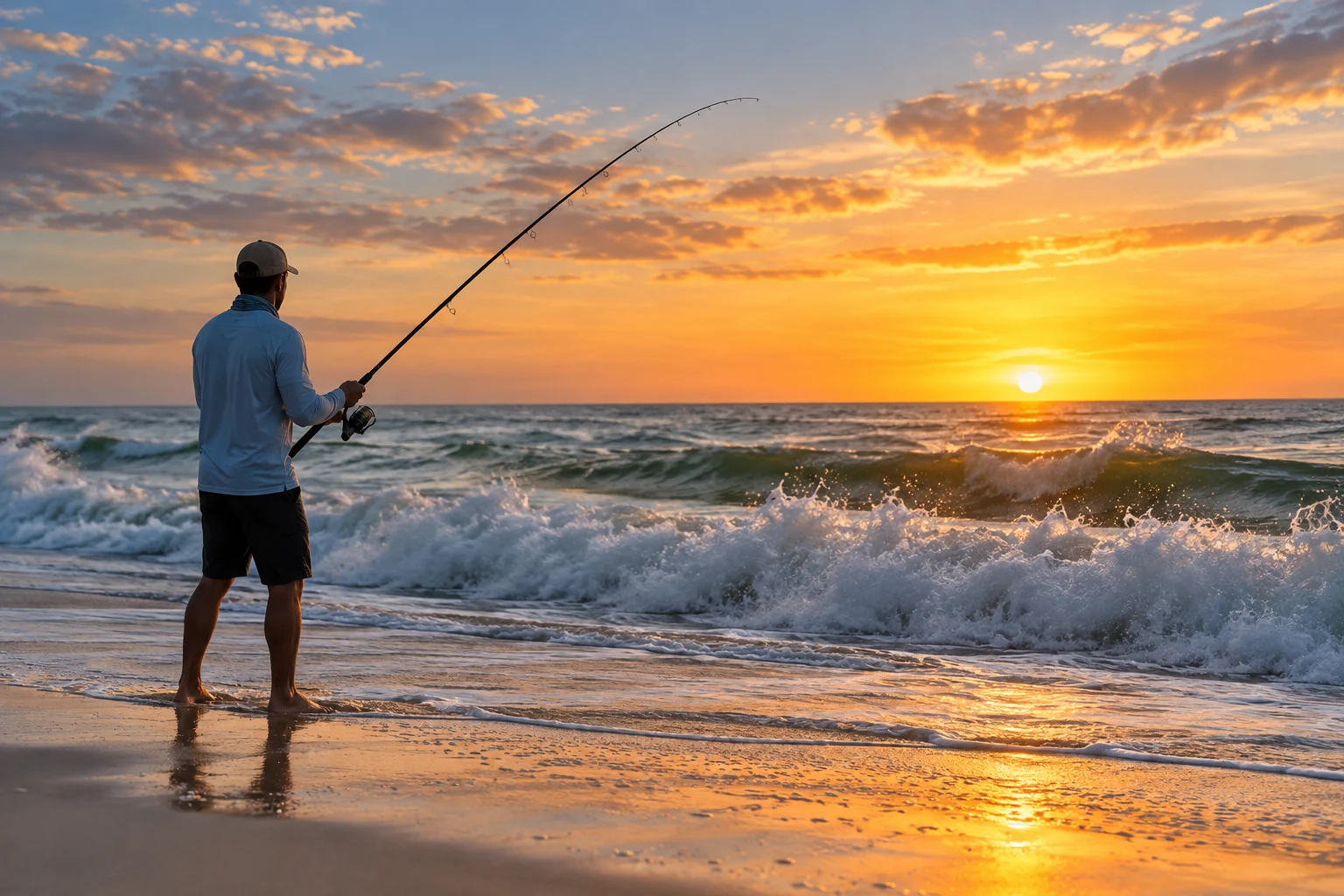
Surf fishing is a type of saltwater fishing where anglers fish from the shoreline, usually standing on a beach and casting their bait or lure into the ocean. It is a simple way to enjoy ocean fishing without needing a boat.
Surf fishing can be relaxing, exciting, and accessible to beginners. At the same time, it requires an understanding of tides, waves, beach conditions, bait, tackle, and fish behavior.
In this guide, we will explain what surf fishing is, how it works, what equipment you need, where to fish, and some useful tips for getting started.
Key Takeaways
- Surf fishing lets you catch saltwater fish directly from the beach without a boat.
- Reading waves, tides, sandbars, troughs, and other beach features can help you find feeding fish.
- A longer surf rod, suitable reel, strong line, sinkers, hooks, and the right bait are common equipment choices.
- You do not always need to cast far because fish can feed surprisingly close to shore.
- Ocean safety, local fishing regulations, weather conditions, and responsible fish handling are important parts of surf fishing.
What Is Surf Fishing?
Surf fishing is the practice of catching saltwater fish from the shoreline. Most surf anglers stand on a sandy beach, although fishing from rocky shorelines and other coastal areas can also be considered surf fishing.
The goal is to cast your bait or lure beyond the breaking waves or into areas where fish are feeding. Fish often move close to shore in search of food, especially around sandbars, troughs, cuts, rocks, and other underwater structures.
One of the biggest advantages of surf fishing is that you do not need a boat. You can walk onto the beach, find a promising area, set up your fishing gear, and start casting.
Depending on where you fish, you may catch species such as snook, redfish, pompano, whiting, bluefish, striped bass, drum, sharks, and other saltwater species.
How Does Surf Fishing Work?
Surf fishing starts with finding a productive area along the shoreline. Instead of simply casting anywhere, experienced anglers look for underwater features that may attract fish.
Fish often gather around areas where food is available or where the water creates favorable feeding conditions.
After finding a promising location, the angler chooses appropriate bait or a lure and casts it into the surf. The bait may be allowed to sit on the bottom, drift naturally, or move through the water depending on the target species and fishing method.
The angler then watches the fishing line for movement. When a fish takes the bait, the angler sets the hook and begins bringing the fish toward shore.
The process sounds simple, but learning how waves, currents, tides, and fish behavior work together can make a major difference.
Where Do You Go Surf Fishing?
Beaches are the most common locations for surf fishing. However, not every section of a beach will have the same fishing conditions.
Look for areas where the underwater structure changes. These areas can include sandbars, troughs, cuts, points, rocks, jetties, and channels.
A trough is a deeper section of water that runs roughly parallel to the beach. Fish may use these deeper areas to travel and search for food.
Cuts are breaks in a sandbar where water can move between deeper and shallower areas. These areas can create current and may attract baitfish and predatory fish.
Learning to identify these features is one of the most useful surf fishing skills you can develop.
What Equipment Do You Need for Surf Fishing?
You do not need an enormous amount of equipment to begin surf fishing. However, your gear should be suitable for saltwater and the conditions where you plan to fish.
Surf Fishing Rod
Surf fishing rods are generally longer than standard fishing rods. Many are between 9 and 12 feet long, although the right size depends on the location and target species.
A longer rod can help you cast farther and keep your fishing line above breaking waves.
Fishing Reel
A spinning reel is a popular choice for surf fishing because it is relatively easy to use and works well for casting bait and lures.
Choose a reel designed for saltwater use when possible. Saltwater can be harsh on fishing equipment, so rinsing your gear with fresh water after fishing is important.
Fishing Line
Monofilament and braided fishing lines are both commonly used.
Braided line has a smaller diameter for its strength and can help with casting distance. Monofilament is generally easier to handle and can be useful for beginners.
The right line strength depends on the fish you are targeting and the local conditions.
Sinkers
Sinkers help keep bait in position when fishing in moving water. The amount and shape of weight you need will depend on wave conditions and current.
A heavier sinker may be necessary when the surf is strong, while lighter weights can work when the water is relatively calm.
Hooks and Rigs
Your hooks and rigs should match the type of fish you are targeting.
Common surf fishing rigs include simple bottom rigs designed to keep bait near the ocean floor. Other setups can be used for live bait, cut bait, or artificial lures.
If you are new to surf fishing, start with a simple rig and learn how it behaves in the water.
What Bait Is Used for Surf Fishing?
The best bait depends on the fish species and location.
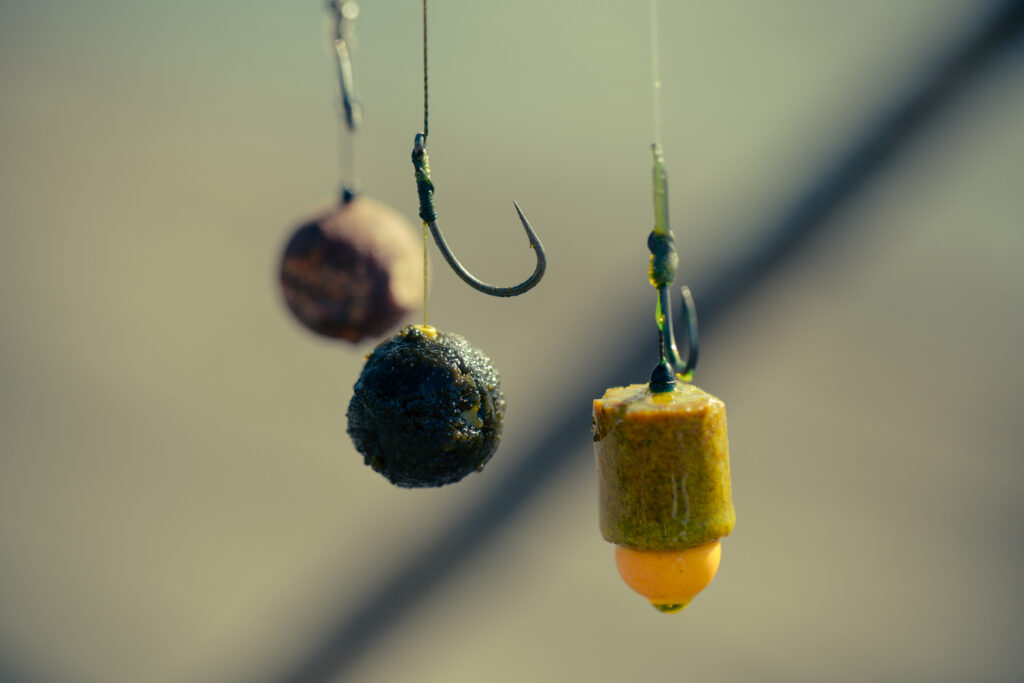
Common natural baits include shrimp, squid, cut fish, sand fleas, crabs, and other local baitfish or marine organisms.
Some species are attracted to live bait, while others will readily take cut bait.
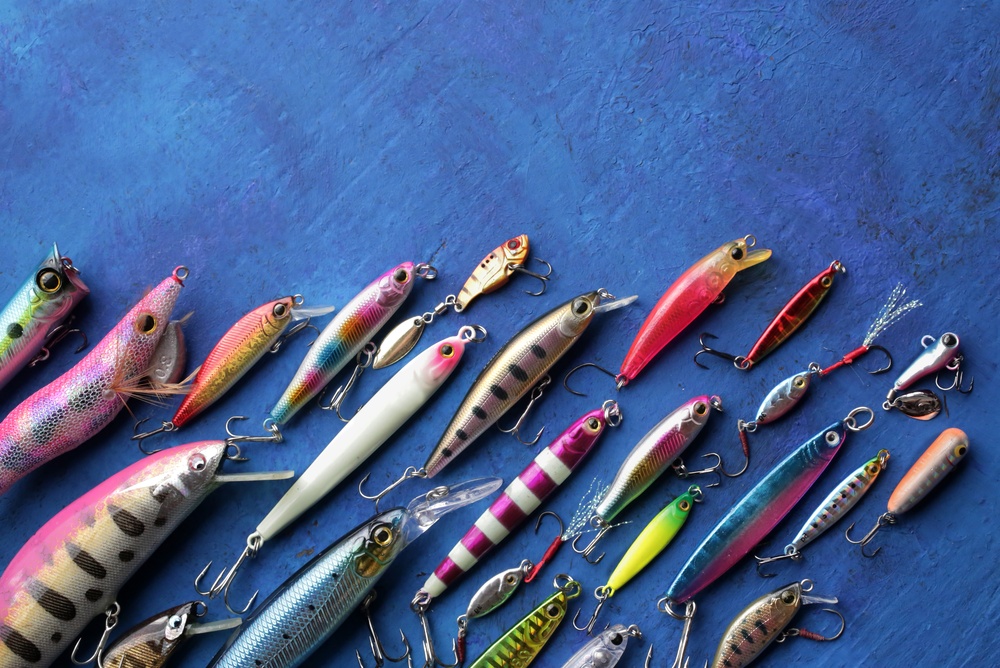
Artificial lures can also be effective. Spoons, jigs, plugs, soft plastics, and other lures can be used to target predatory fish.
Before choosing bait, research the species you want to catch and find out what they commonly feed on in the area.
When Is the Best Time for Surf Fishing?
Surf fishing can be productive throughout the day, but certain conditions can improve your chances.
Tides are particularly important. Moving water can cause baitfish and other food sources to move, which can attract larger fish.
Many anglers pay close attention to incoming and outgoing tides. However, the most productive tide can vary by location and species.
Early morning and evening can also be productive because some fish become more active during lower-light conditions.
Weather can affect fishing as well. Changes in wind, waves, water temperature, and pressure can influence fish behavior.
Instead of focusing only on a specific time of day, pay attention to the overall conditions.
How Far Should You Cast When Surf Fishing?
You do not always need to cast as far as possible.
This is an important lesson for beginners. Fish can sometimes be surprisingly close to the beach, especially when the tide is moving or baitfish are near shore.
Look at the water before casting. Identify troughs, sandbars, cuts, and areas where waves break differently.
Sometimes the most productive fishing spot may be within a relatively short casting distance.
Rather than automatically trying to make the longest cast possible, focus on placing your bait where fish are likely to be feeding.
Is Surf Fishing Good for Beginners?
Yes, surf fishing can be a good way for beginners to learn saltwater fishing.
You do not need a boat, and you can start with relatively simple equipment. Beaches also provide plenty of space for casting and setting up your gear.
However, beginners should take time to learn basic safety and local fishing regulations.
Start with smaller target species and simple rigs. Once you become comfortable with casting, reading the surf, and handling fish, you can gradually experiment with different techniques.
Fishing with an experienced angler can also help you learn faster.
Surf Fishing Safety Tips
The ocean can change quickly, so safety should always be a priority.
- Pay attention to waves and currents. Avoid standing in areas where strong waves can knock you off balance.
- Rip currents are another important concern. If you are fishing from the shoreline, learn how to identify and avoid dangerous currents.
- Be careful when walking on rocks, jetties, or slippery surfaces. Wear appropriate footwear when necessary.
- Also keep an eye on weather conditions. Lightning, storms, strong winds, and rapidly changing surf can make fishing dangerous.
- Never turn your attention completely toward fishing gear when conditions around you are becoming unsafe.
Surf Fishing Rules and Regulations
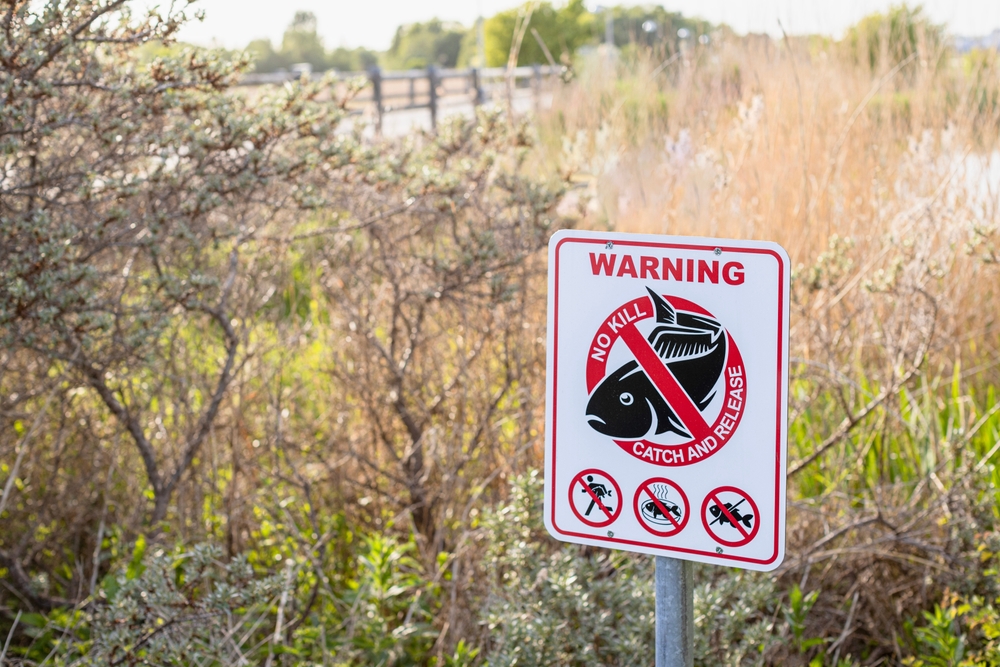
Fishing regulations vary depending on where you are fishing.
Before heading to the beach, check local requirements for fishing licenses, seasons, size limits, bag limits, protected species, and permitted fishing methods.
Some beaches may have specific rules about where and when fishing is allowed.
These regulations can also change, so it is important to check current information before your trip.
Responsible anglers also release fish carefully when they are not keeping their catch.
Surf Fishing vs. Pier Fishing
Surf fishing and pier fishing both allow anglers to fish without a boat, but the experience is different.
With surf fishing, you fish directly from the shoreline and can move along the beach to find productive areas.
Pier fishing gives you an elevated platform that extends over deeper water. This can provide access to species that may not come close enough to shore.
Surf fishing gives you more freedom to move along the beach, while pier fishing can provide a more stationary fishing experience.
Surf Fishing vs. Boat Fishing
The biggest difference is that surf fishing takes place from land while boat fishing takes place on the water.
Boat fishing can provide access to deeper water and a wider range of fishing locations. Surf fishing is generally simpler because you do not need a boat, fuel, or boating equipment.
For anglers who enjoy walking along the beach and reading the shoreline, surf fishing can be a rewarding option.
Tips for Better Surf Fishing
Start by checking the tide before you go. Knowing when the water will be moving can help you plan your fishing session.
Watch the waves. Areas where waves break differently can reveal changes in underwater structure.
Do not always cast as far as possible. Fish may be feeding close to shore.
Use fresh bait whenever possible and make sure your hook and rig are appropriate for the species you are targeting.
Keep your equipment organized. Surf fishing often involves walking along the beach, so carrying only the gear you need can make the experience easier.
Finally, be patient. Fishing conditions change, and sometimes moving a short distance can make a significant difference.
FAQs About Surf Fishing
What size surf fishing rod should a beginner use?
A 9 to 12-foot surf fishing rod is a common choice for beginners. The right length depends on the beach conditions, casting distance, and fish you plan to target.
What type of reel is best for surf fishing?
A saltwater spinning reel is a popular option because it is easy to use and works well for casting bait and lures from the beach.
Can you use a regular fishing rod for surf fishing?
You can use some regular fishing rods for light surf fishing, but a dedicated surf rod is generally better for casting distance and handling beach conditions.
How do you keep bait on the hook in strong waves?
Using the right hook, bait presentation, and rig can help keep bait secure. Some anglers also use bait thread or elastic material to hold softer bait in place.
What color lures work best for surf fishing?
The best lure color can depend on water clarity, weather, and the fish species. Natural colors often work well in clear water, while brighter colors can provide more visibility in darker or murkier conditions.
How do you prevent saltwater from damaging fishing equipment?
Rinse your rod, reel, and other equipment with fresh water after fishing. Dry the equipment thoroughly and follow the reel manufacturer’s maintenance recommendations.
Can you surf fish at night?
Yes, many anglers surf fish at night. However, visibility is lower, so bring appropriate lighting and pay extra attention to waves, currents, weather, and your surroundings.
Do you need waders for surf fishing?
No. Waders are not always necessary. Many anglers fish from the beach without entering the water, while waders can be useful in colder conditions or when additional casting access is needed.
How do you identify a good surf fishing spot from the beach?
Look for changes in wave patterns, deeper troughs, cuts in sandbars, channels, rocks, and areas where currents concentrate. These features can provide places where fish find food or move through the area.
How do you keep your fishing line from getting tangled in the waves?
Use a suitable rig and sinker for the surf conditions, keep excess line under control, and position your rod and line properly. Adjusting your casting location can also help reduce tangles.
Conclusion
Surf fishing is a simple and enjoyable way to experience saltwater fishing directly from the beach. You do not need a boat to get started, and with the right rod, reel, line, bait, and basic knowledge of tides and surf conditions, beginners can enjoy productive fishing sessions.
The key to successful surf fishing is learning to read the beach and understanding where fish are likely to feed. Pay attention to tides, waves, underwater structure, weather, and local fishing regulations.
Whether you are targeting smaller inshore species or hoping to catch a larger saltwater fish, surf fishing gives you the opportunity to spend time outdoors while enjoying the challenge of fishing along the coast.