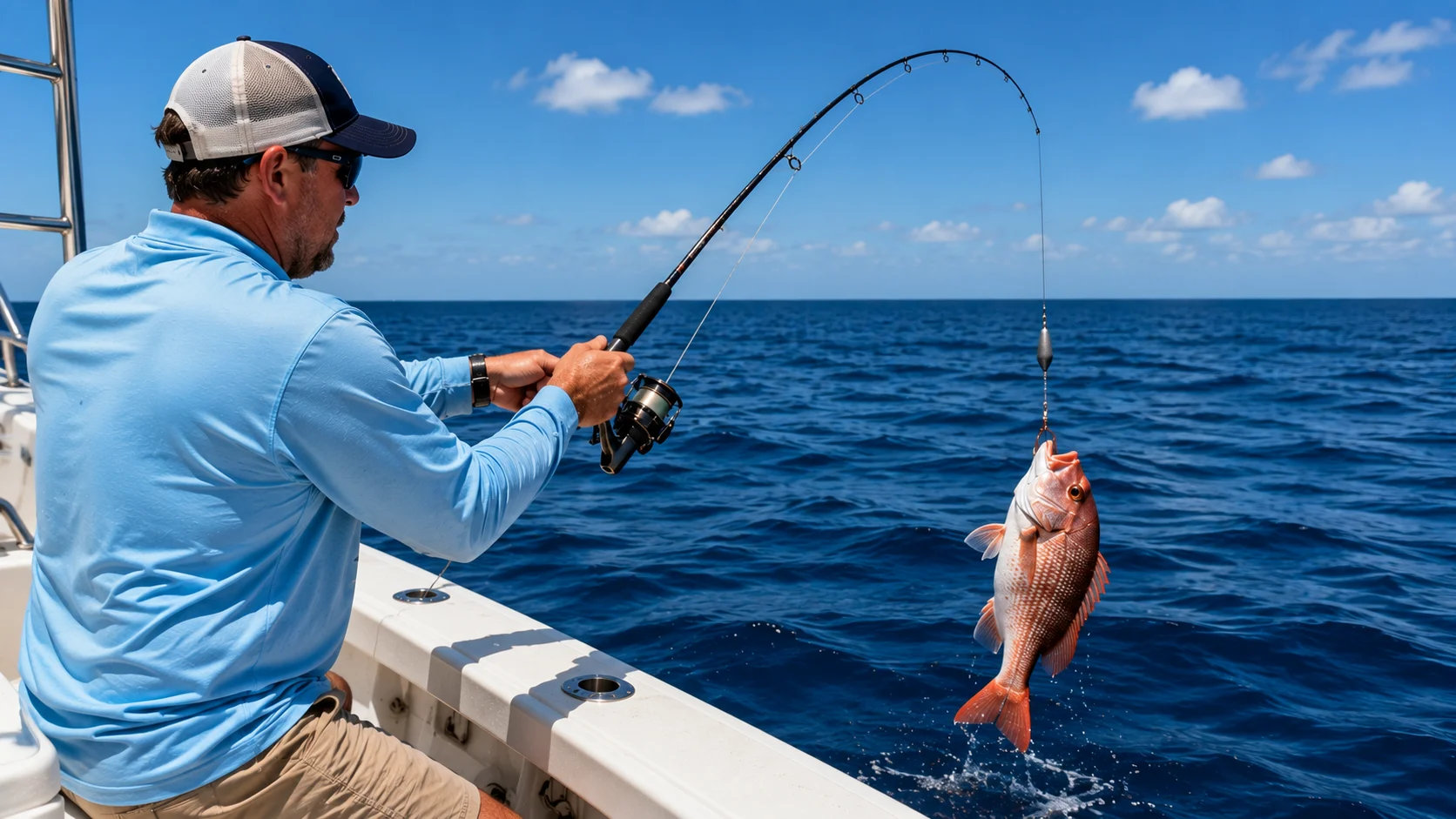
Bottom fishing is one of the most effective and exciting ways to catch fish that live near the ocean floor. Whether you’re fishing from a boat, pier, bridge, or shoreline, this technique targets species that spend most of their time close to reefs, rocks, wrecks, and sandy bottoms.
Many popular saltwater fish, including snapper, grouper, hogfish, triggerfish, and amberjack, are commonly caught using bottom fishing techniques. Because of the variety of fish you can catch, bottom fishing is a favorite among both beginners and experienced anglers.
In this complete guide, you’ll learn what bottom fishing is, how it works, the equipment you’ll need, the best bait to use, and tips for improving your success on the water.
What Is Bottom Fishing?
Bottom fishing is a fishing technique that involves dropping your bait or lure to the bottom of a lake, river, or ocean where bottom-dwelling fish live and feed.
Unlike surface fishing, where fish are targeted near the top of the water, bottom fishing focuses on species that stay close to the seabed in search of food.
The goal is simple: present your bait naturally near the bottom where fish are actively feeding.
This method is commonly used in both freshwater and saltwater, but it is especially popular for offshore saltwater fishing.
Why Is It Called Bottom Fishing?
The name comes from the fact that your bait is placed directly on or just above the bottom of the water.
Many fish spend their lives close to structures like:
- Coral reefs
- Rock piles
- Artificial reefs
- Shipwrecks
- Sandy bottoms
- Mud flats
- Drop-offs
- Ledges
These underwater areas provide shelter, food, and protection from predators, making them ideal places to fish.
How Does Bottom Fishing Work?
Bottom fishing is a relatively simple technique.
After locating a productive fishing area, you lower your bait until your sinker touches the bottom. Once the line reaches the seabed, you reel in slightly to keep the bait just above the bottom.
Keeping the bait in this position helps prevent snagging while placing it exactly where many fish are feeding.
When a fish bites, you’ll usually feel:
- Small taps
- Quick pulls
- A steady bend in the rod
- A strong downward tug
Once you recognize the bite, you set the hook and begin reeling in your catch.
Where Can You Go Bottom Fishing?
Bottom fishing can be enjoyed in many different locations.
Offshore Reefs
Natural and artificial reefs are among the most productive places for bottom fishing. These structures attract baitfish, which in turn attract larger predator fish.
Shipwrecks
Sunken ships create artificial habitats where many fish gather for shelter and food.
Rocky Bottoms
Rock formations provide excellent hiding places for many popular game fish.
Ledges and Drop-Offs
Sudden changes in depth often concentrate fish because currents bring food to these areas.
Bridges and Piers
Even anglers without a boat can enjoy bottom fishing from bridges and fishing piers where deeper water is available.
Freshwater vs. Saltwater Bottom Fishing
Although the basic technique is similar, the target species and equipment can differ.
Freshwater Bottom Fishing
Common freshwater species include:
- Catfish
- Carp
- Freshwater drum
- Bullheads
- Sturgeon (where legal)
Saltwater Bottom Fishing
Saltwater anglers often target:
- Snapper
- Grouper
- Triggerfish
- Hogfish
- Amberjack
- Sea bass
- Tilefish
- Porgy
Saltwater bottom fishing generally requires heavier equipment because many fish are larger and stronger.
Fish Commonly Caught While Bottom Fishing
One reason bottom fishing is so popular is the variety of species you can catch.
Some of the most sought-after fish include:
Snapper
Snapper are among the most popular bottom fish because they fight hard and are excellent table fare.
Grouper
Groupers are powerful fish that often try to swim back into reefs immediately after being hooked.
Hogfish
Known for their mild, delicious flavor, hogfish are commonly found around reefs in warm waters.
Triggerfish
Triggerfish are aggressive feeders with strong teeth and are often caught while fishing near rocky bottoms.
Amberjack
Although amberjack sometimes swim higher in the water column, they are frequently caught around reefs and wrecks using bottom fishing techniques.
Sea Bass
Sea bass are common around reefs and rocky structures and are popular targets for recreational anglers.
Essential Bottom Fishing Equipment
Using the right equipment can make a big difference.
Fishing Rod
A medium-heavy or heavy-action rod provides the strength needed to handle larger fish and lift them away from underwater structures.
Reel
Most anglers use either:
- Conventional reels
- Heavy-duty spinning reels
Both work well when paired with the appropriate rod.
Fishing Line
Braided fishing line is popular because it offers:
- High strength
- Excellent sensitivity
- Less stretch
- Better bite detection
- Smaller diameter
Many anglers also add a fluorocarbon leader for increased abrasion resistance and lower visibility underwater.
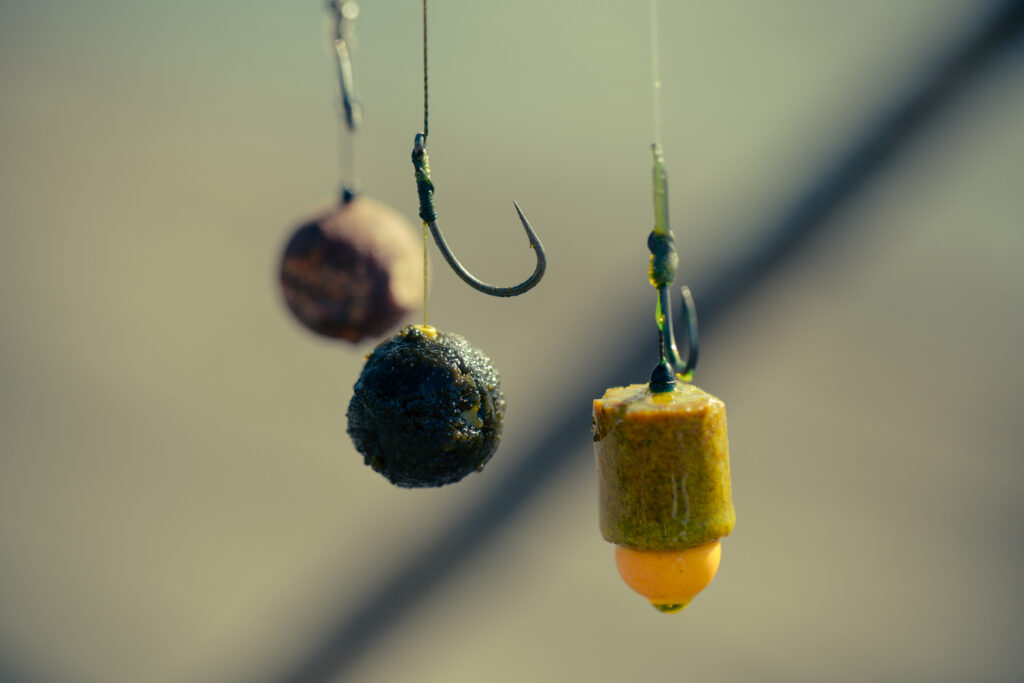
Hooks
The hook you choose depends on the species you’re targeting.
Common choices include:
- Circle hooks
- J-hooks
- Octopus hooks
Circle hooks are widely recommended because they often hook fish in the corner of the mouth, making catch-and-release easier and reducing injury.
Sinkers
Sinkers keep your bait on the bottom despite waves and currents.
Popular sinker styles include:
- Egg sinkers
- Bank sinkers
- Pyramid sinkers
- Torpedo sinkers
The weight you need depends on the water depth and current strength.
Best Natural Baits for Bottom Fishing
Natural bait is extremely effective because many bottom fish rely heavily on scent to locate food.
Popular bait choices include:
- Squid
- Shrimp
- Sardines
- Mullet
- Threadfin herring
- Cut bait
- Cigar minnows
- Pilchards
- Crabs
- Clams
Fresh bait generally produces the best results because it releases more scent into the water.
Can You Use Artificial Lures?
Yes.
Although natural bait is the most common choice, artificial lures can also be highly effective.
Popular options include:
- Soft plastic grubs
- Bucktail jigs
- Metal jigs
- Paddle-tail swimbaits
- Slow-pitch jigs
These lures work especially well when fish are actively feeding or when anglers want to cover more water.
Basic Bottom Fishing Rig
One of the simplest and most effective setups is the fish finder rig.
A typical rig includes:
- Main fishing line
- Sliding sinker
- Bead
- Barrel swivel
- Leader
- Hook
This setup allows fish to take the bait with less resistance, increasing your chances of a successful hookup.
Tips for Successful Bottom Fishing
If you’re new to bottom fishing, these tips can help improve your results:
- Fish near reefs, wrecks, or rocky structures.
- Keep your bait close to the bottom without dragging it constantly.
- Use fresh bait whenever possible.
- Match your hook size to the fish you’re targeting.
- Check your bait regularly and replace it if necessary.
- Stay alert for subtle bites, especially from smaller fish.
- Be ready to reel quickly when fishing around reefs, as many species try to swim back into cover after being hooked.
Best Time for Bottom Fishing
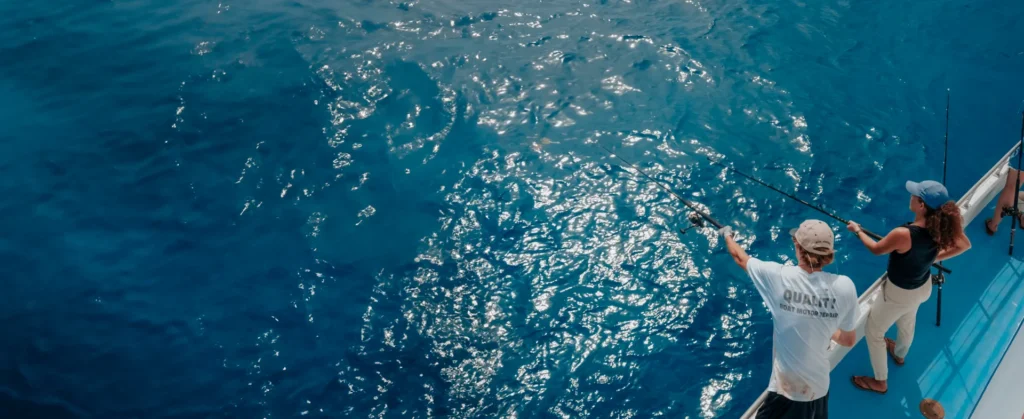
Choosing the right time can greatly improve your chances of catching fish. While many bottom-dwelling species feed throughout the day, certain conditions make them more active.
Early Morning
The hours just after sunrise are often one of the best times to fish. Water temperatures are cooler, and many species move out from reefs and wrecks to feed.
Late Afternoon
As the sun begins to set, fish often become active again. This is another excellent time for bottom fishing, especially during warmer months.
Night Fishing
Some bottom fish feed more aggressively after dark. Species such as snapper and certain grouper are often easier to catch at night because they feel safer leaving their hiding places.
Why Tides Matter
Tides play a major role in saltwater bottom fishing because they influence water movement and fish behavior.
Moving water carries baitfish, shrimp, crabs, and other food toward reefs and wrecks, attracting larger predator fish.
Many experienced anglers prefer fishing during:
- The beginning of an incoming tide
- The beginning of an outgoing tide
- Moderate tidal movement
During slack tide, when the water is barely moving, fish may become less active.
Understanding Ocean Currents
Ocean currents affect how your bait behaves underwater.
Strong currents may require:
- Heavier sinkers
- Shorter leaders
- More frequent repositioning of the boat
If your bait drifts too far from the bottom, you may miss fish that are feeding close to the structure.
Adjusting your sinker weight helps keep your bait where it belongs.
How to Find Good Bottom Fishing Spots
Finding the right location is often more important than using expensive equipment.
Productive areas usually have underwater structure that provides shelter and food.
Look for:
Natural Reefs
Coral and rocky reefs attract countless marine species and are among the best places to bottom fish.
Artificial Reefs
Many coastal areas have artificial reefs made from concrete structures, reef modules, or retired ships. These quickly become homes for many fish.
Shipwrecks
Sunken boats and ships provide excellent habitat for grouper, snapper, amberjack, and many other species.
Ledges
An underwater ledge is a sudden change in depth where fish often gather to feed.
Rock Piles
Even small rock formations can attract surprising numbers of fish.
Hard Bottom
Areas with rock, shell, or coral generally hold more fish than flat sandy bottoms.
Using Electronics for Bottom Fishing
Modern fish finders make locating productive fishing spots much easier.
A quality fish finder can help you identify:
- Reefs
- Wrecks
- Drop-offs
- Schools of baitfish
- Fish holding close to the bottom
- Changes in bottom structure
Learning to read sonar images can greatly improve your success.
Boat Positioning
Proper boat positioning is one of the most important skills in bottom fishing.
Instead of dropping bait directly over a reef, experienced captains often allow for the current and wind so the boat drifts naturally over the structure.
This keeps the bait in the strike zone longer and reduces the chance of snagging.
Common Bottom Fishing Mistakes
Many beginners make simple mistakes that reduce their chances of success.
Using Too Little Weight
If your sinker is too light, your bait may drift away from the bottom.
Using Too Much Weight
An overly heavy sinker can reduce sensitivity, making it harder to detect bites.
Ignoring the Current
Current changes throughout the day. Adjust your sinker weight when necessary.
Leaving Old Bait on the Hook
Fresh bait is usually much more attractive to fish than old or washed-out bait.
Waiting Too Long to Reel
Some reef fish immediately head back into rocks after being hooked. React quickly to keep them from reaching cover.
Fishing in the Wrong Area
Even the best bait won’t catch fish if there are no fish nearby. Focus on productive structures.
How to Handle Your Catch
Proper fish handling helps protect both the fish and the angler.
If you plan to release your catch:
- Handle fish with wet hands.
- Avoid squeezing the body.
- Remove the hook carefully.
- Return the fish to the water as quickly as possible.
If you plan to keep the fish, follow local size limits and daily bag limits.
Bottom Fishing Safety Tips
Safety should always come first when fishing offshore.
Remember to:
- Wear a life jacket when appropriate.
- Check the weather forecast before leaving.
- Carry plenty of drinking water.
- Bring sunscreen and polarized sunglasses.
- Keep a first-aid kit on board.
- Let someone know your fishing plans.
- Monitor marine weather throughout the trip.
If storms begin developing, head back to shore immediately.
Conservation Matters
Healthy fish populations depend on responsible anglers.
Help protect marine ecosystems by:
- Following local fishing regulations.
- Respecting size and bag limits.
- Avoiding damage to coral reefs.
- Properly disposing of fishing line and trash.
- Releasing undersized fish carefully.
- Supporting sustainable fishing practices.
Responsible fishing helps ensure future generations can enjoy the same experiences.
Is Bottom Fishing Good for Beginners?
Yes.
Bottom fishing is considered one of the easiest saltwater fishing methods to learn.
Beginners often enjoy it because:
- The equipment is straightforward.
- Natural bait is easy to use.
- Many species can be caught in one trip.
- Fish are often found in predictable locations.
- Every drop offers the possibility of a different catch.
Fishing with an experienced captain or guide makes learning even easier and increases your chances of success.
What Makes Bottom Fishing So Exciting?
Every trip is different.
One drop might produce a snapper, while the next could hook a grouper, triggerfish, or another reef species. Since many fish share the same underwater habitats, anglers never know exactly what they’ll catch next.
The powerful fights, variety of species, and beautiful offshore scenery make bottom fishing an unforgettable experience for anglers of all skill levels.
FAQs About Bottom Fishing
Can children participate in bottom fishing trips?
Yes. Many charter boats welcome children and provide a safe, family-friendly fishing experience. Be sure to check the minimum age requirements with the charter operator.
Do I need a fishing license for bottom fishing?
It depends on where you fish. Some charter boats include the required fishing licenses for their passengers, while private anglers may need to purchase one separately.
Can I keep every fish I catch while bottom fishing?
No. Many species are subject to size limits, bag limits, and seasonal closures. Always follow local fishing regulations before keeping your catch.
What should I wear on a bottom fishing trip?
Wear lightweight, sun-protective clothing, non-slip shoes, a hat, polarized sunglasses, and sunscreen to stay comfortable throughout the day.
How deep do you fish when bottom fishing?
The depth varies depending on the target species and location. Bottom fishing can take place in shallow coastal waters or hundreds of feet offshore.
Can I bottom fish year-round?
In many locations, yes. However, the best seasons vary by species, weather conditions, and local fishing regulations.
Is seasickness common during offshore bottom fishing?
Some anglers may experience seasickness, especially in rough water. Taking motion sickness medication before the trip and staying hydrated can help reduce symptoms.
How long does a typical bottom fishing trip last?
Most charter trips last between 4 and 8 hours, although full-day and extended offshore trips are also available.
What happens if the weather changes during a fishing trip?
Captains closely monitor weather conditions and will return to shore or change locations if conditions become unsafe. Safety is always the top priority.
Can I cook the fish I catch?
Yes. Many anglers take their legal catch home to cook, and some coastal restaurants even offer “cook your catch” services where they prepare your freshly caught fish.
Conclusion
Bottom fishing is one of the most effective and enjoyable ways to catch fish that live near the ocean floor. By understanding where bottom-dwelling fish gather, using the right equipment, selecting the appropriate bait, and paying attention to tides and currents, anglers of all skill levels can improve their chances of success. Whether you’re fishing over reefs, wrecks, rocky bottoms, or ledges, every trip offers the opportunity to target a wide variety of exciting and great-tasting fish.
From choosing the right rig to practicing responsible fishing and following local regulations, mastering the basics of bottom fishing can lead to more productive and enjoyable days on the water. With patience, preparation, and experience, bottom fishing remains one of the most rewarding saltwater fishing techniques for beginners and seasoned anglers alike.