Inshore fishing is one of the most popular ways to enjoy fishing along the coast. It offers an exciting experience for beginners and seasoned anglers alike. Unlike offshore fishing, which takes place far out in the open ocean, inshore fishing happens much closer to land in calmer waters. This makes it a great choice for families, first-time anglers, and anyone looking for a fun day on the water without traveling many miles offshore.
Whether you are planning a fishing trip during your vacation or want to learn more about different fishing styles, understanding inshore fishing can help you choose the right adventure. From catching popular game fish to enjoying beautiful coastal scenery, there are many reasons why people love this type of fishing.
In this guide, you’ll learn what inshore fishing is, where it takes place, the fish you can catch, the gear used, the best seasons, and tips to make your next fishing trip successful.
What Is Inshore Fishing?
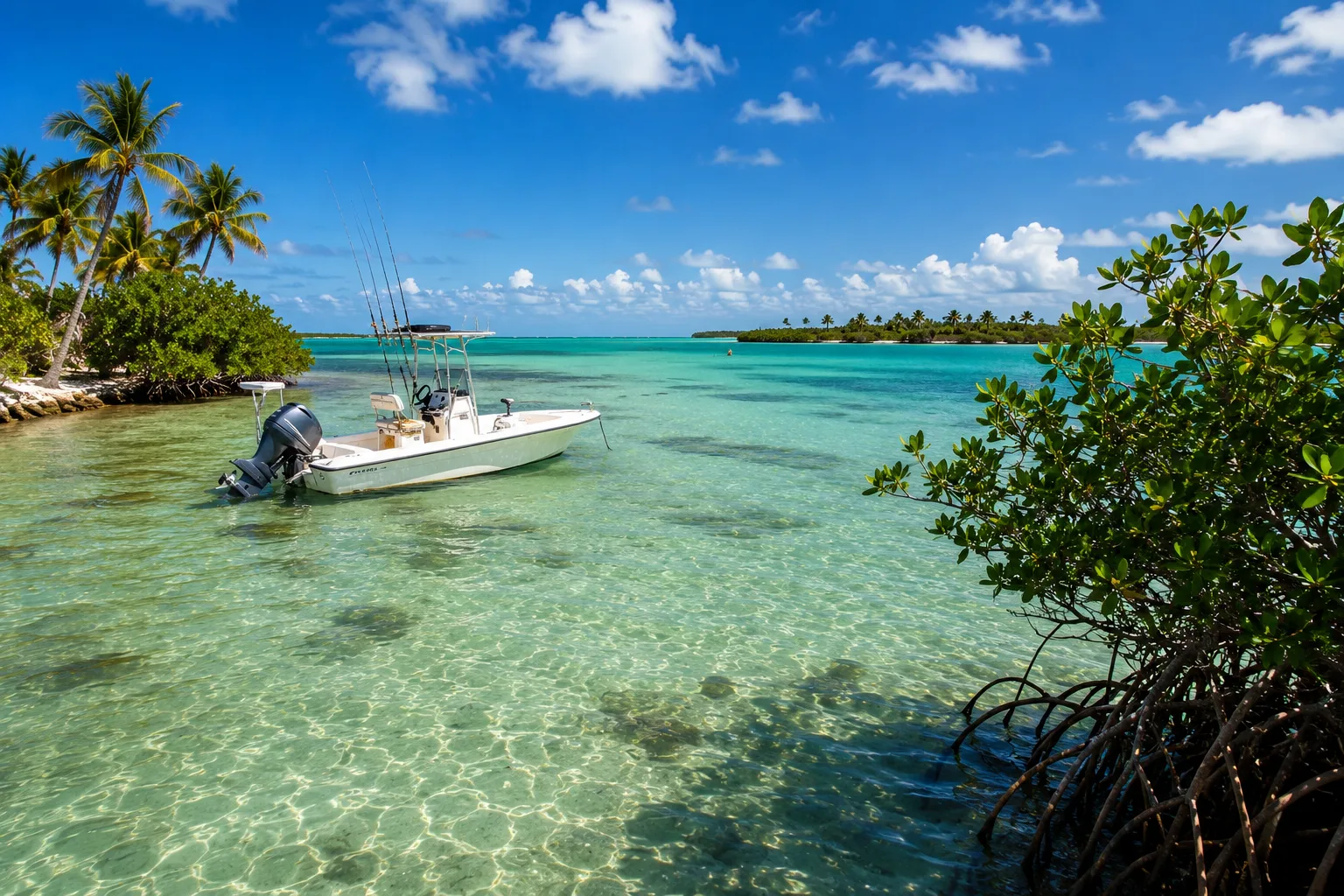
Inshore fishing refers to fishing in shallow coastal waters that are generally within a few miles of the shoreline. Most inshore fishing takes place in waters less than 30 meters (100 feet) deep, including bays, flats, estuaries, mangrove shorelines, lagoons, rivers, and channels.
These waters are protected from large ocean waves, making them calmer and easier to navigate than offshore waters. Because of these conditions, inshore fishing is suitable for anglers of all experience levels.
Many people choose inshore fishing because it combines exciting fishing opportunities with comfortable boat rides and beautiful coastal views.
Where Does Inshore Fishing Take Place?
Inshore fishing can be enjoyed in many coastal environments.
Bays
Bays provide calm water where many fish gather to feed.
Flats
Fishing flats are shallow areas with sandy or grassy bottoms where many game fish hunt for food.
Mangrove Shorelines
Mangroves provide shelter for smaller fish, shrimp, and crabs, making them excellent fishing locations for larger predators.
Estuaries
Estuaries are places where freshwater rivers meet the ocean. These nutrient-rich waters attract many species throughout the year.
Canals and Channels
Natural and man-made channels often create strong currents that attract feeding fish.
Why Is Inshore Fishing So Popular?
There are many reasons why anglers choose inshore fishing.
Easier for Beginners
Calmer water creates a more comfortable experience, especially for people who are new to boating or fishing.
Shorter Travel Time
Unlike offshore trips that may require traveling many miles, most inshore fishing spots are only minutes from the marina.
Excellent Variety of Fish
Many prized game fish spend their lives in coastal waters.
Family Friendly
Children and first-time anglers often enjoy inshore fishing because of the calmer conditions and frequent opportunities to catch fish.
Less Weather Dependent
Protected waters usually remain fishable even when offshore conditions become rough.
Fish You Can Catch While Inshore Fishing
The species available depend on your location and season.
Redfish
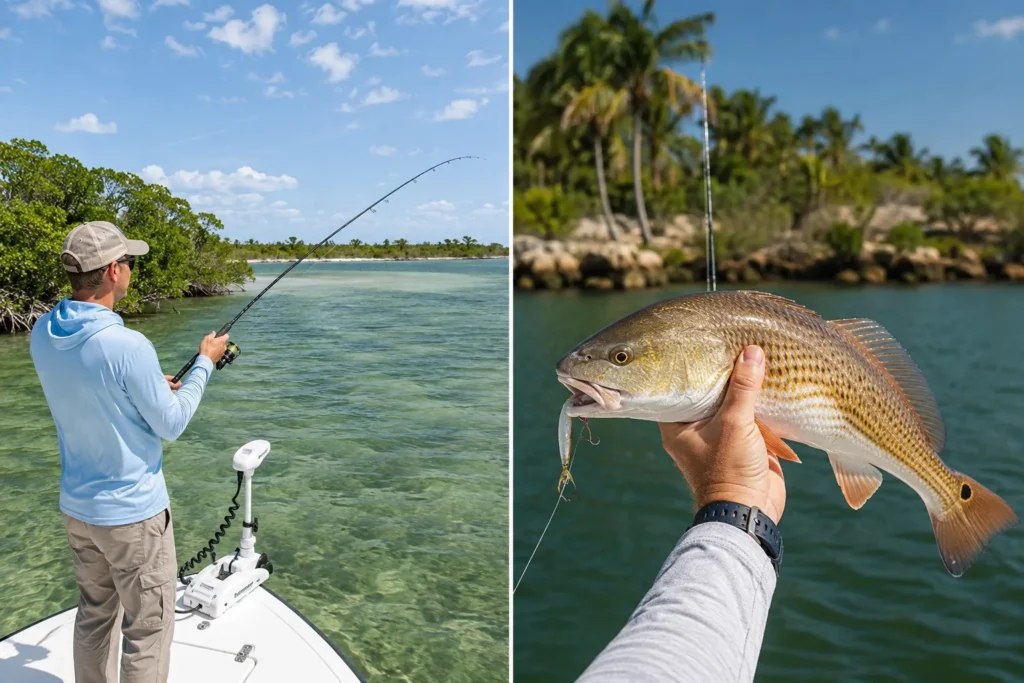
Redfish are one of the most popular inshore game fish. They fight hard and can be found around grass flats, mangroves, and oyster bars.
Snook
Snook are known for their powerful runs and exciting fights. They often stay near docks, bridges, and mangroves.
Speckled Trout
Speckled trout are abundant in many coastal waters and are popular with anglers because they actively feed on shrimp and baitfish.
Tarpon
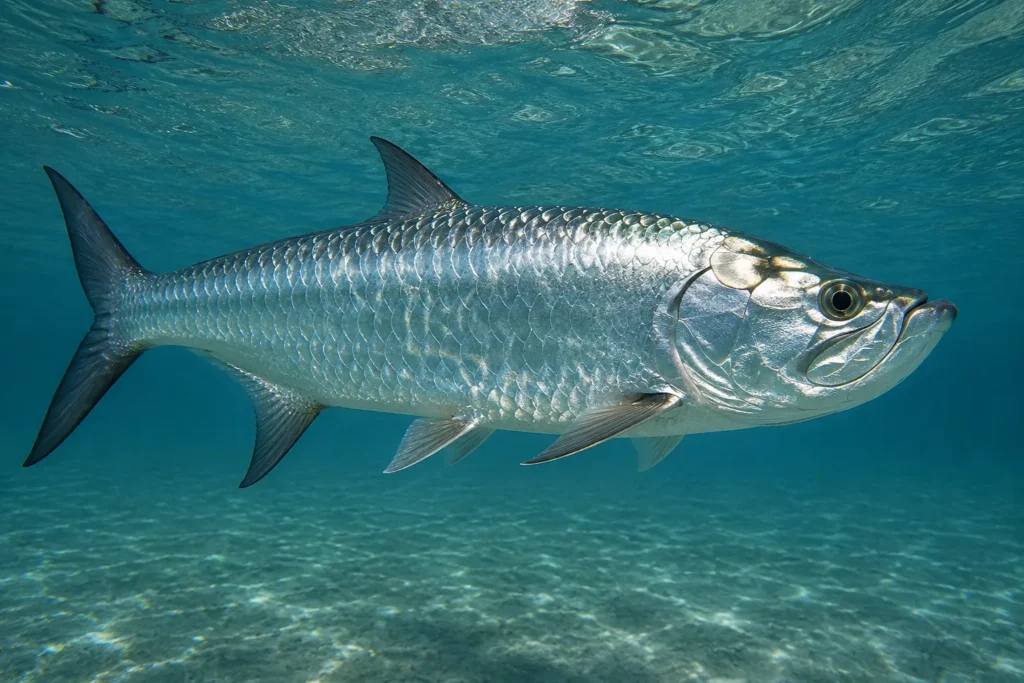
Known as the “Silver King,” tarpon are famous for their spectacular jumps and powerful fights.
Bonefish
Bonefish are incredibly fast and challenge even experienced anglers.
Black Drum
Black drum are commonly caught around docks, bridges, and deeper channels.
Flounder
Flounder hide along sandy bottoms and strike passing bait.
Sheepshead
Sheepshead are recognized by their vertical black stripes and strong teeth that help them feed on crabs and shellfish.
Mangrove Snapper
Mangrove snapper are common around structures and provide excellent table fare.
Popular Baits for Inshore Fishing
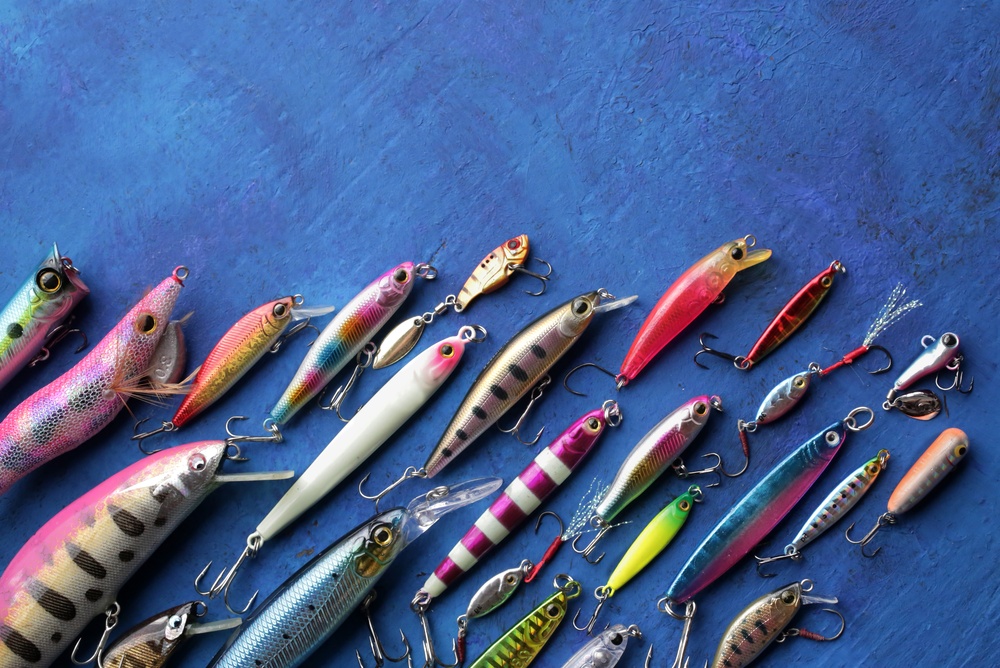
Both live bait and artificial lures can be effective.
Live Shrimp
Live shrimp attract many inshore species.
Pilchards
Pilchards are one of the most productive live baits in many coastal regions.
Pinfish
Pinfish work well for larger predators such as snook and tarpon.
Crabs
Small crabs are excellent bait for redfish, black drum, and permit.
Artificial Lures
Many anglers also use:
- Soft plastic shrimp
- Paddle tail swimbaits
- Topwater plugs
- Jerk baits
- Spoons
- Bucktail jigs
Best Time for Inshore Fishing
Fishing conditions change throughout the day.
Early Morning
Cool temperatures and lower light often create excellent feeding activity.
Late Afternoon
Fish usually become active again before sunset.
Incoming Tide
Many anglers prefer incoming tides because fresh water movement brings baitfish into shallow areas.
Outgoing Tide
Outgoing tides can also produce great action as bait washes through channels.
How Weather Affects Inshore Fishing
Weather plays an important role.
Water Temperature
Fish become more active within comfortable temperature ranges.
Wind
Light winds are usually ideal.
Cloud Cover
Cloudy conditions may encourage fish to feed longer during the day.
Rain
Light rain often has little effect, while heavy storms may reduce visibility and water quality temporarily.
Equipment Used for Inshore Fishing
One advantage of inshore fishing is that heavy equipment usually is not necessary.
Rods
Medium or medium-heavy spinning rods are popular.
Reels
Spinning reels are easy for beginners and experienced anglers alike.
Fishing Line
Many anglers use braided line with a fluorocarbon leader for strength and abrasion resistance.
Hooks
Circle hooks are commonly used with live bait because they reduce injury to fish.
Landing Net
A rubber-coated landing net helps safely land fish.
Inshore Fishing Boats
Many boats work well for inshore waters.
Popular options include:
- Bay boats
- Flats boats
- Center console boats
- Skiffs
These boats are designed to navigate shallow water while providing enough space for anglers.
Is Inshore Fishing Good for Beginners?
Yes. Inshore fishing is often recommended for beginners because:
- The water is calmer.
- Boats travel shorter distances.
- Fishing techniques are easier to learn.
- Seasickness is less common.
- Fish are often plentiful.
These factors make inshore fishing an enjoyable introduction to saltwater fishing.
Best Places for Inshore Fishing
You can enjoy inshore fishing in many coastal destinations, but some locations are especially well known for their healthy fish populations and beautiful scenery.
Florida Keys
The Florida Keys are one of the top destinations for inshore fishing in the United States. The area is home to shallow flats, mangrove islands, backcountry waters, and protected bays that attract species like tarpon, bonefish, permit, snook, redfish, and mangrove snapper. Whether you are a beginner or an experienced angler, the Florida Keys offer year-round fishing opportunities and experienced local guides to help you make the most of your trip.
Gulf Coast of Florida
The Gulf Coast features calm bays, grass flats, and estuaries that are ideal for catching redfish, speckled trout, snook, and flounder.
Chesapeake Bay
As one of the largest estuaries in the United States, Chesapeake Bay offers excellent inshore fishing for striped bass, bluefish, croaker, and red drum.
Texas Gulf Coast
The Texas Gulf Coast is known for its productive bays and marshes where anglers can target redfish, speckled trout, black drum, and flounder throughout much of the year.
Louisiana Marshes
Louisiana’s extensive marshlands provide outstanding habitat for redfish, speckled trout, and black drum, making it one of the country’s premier inshore fishing destinations.
Common Inshore Fishing Techniques
Different techniques work in different situations.
Casting
Casting artificial lures around mangroves, docks, and grass flats is one of the most common methods.
Drift Fishing
The boat slowly drifts with the current while anglers cast or fish naturally presented bait.
Live Bait Fishing
Using live shrimp or baitfish remains one of the most productive methods.
Sight Fishing
Anglers look for visible fish in shallow water before making an accurate cast.
Inshore Fishing Throughout the Seasons
Spring
Many fish become active as water temperatures rise.
Summer
Warm water brings excellent opportunities for snook, tarpon, and redfish.
Fall
Many anglers consider fall one of the best seasons because fish feed aggressively before winter.
Winter
Some species move into deeper channels while others remain active in warmer coastal waters.
Conservation and Responsible Fishing
Protecting fish populations helps ensure future generations can enjoy fishing.
Responsible anglers should:
- Follow local fishing regulations.
- Respect size and bag limits.
- Handle fish carefully.
- Release fish properly when required.
- Avoid damaging seagrass and mangroves.
- Dispose of fishing line responsibly.
Sustainable fishing helps protect coastal ecosystems.
Tips for a Successful Inshore Fishing Trip
If you are planning your first trip, these tips can help.
Check the Weather
Always review marine forecasts before heading out.
Wear Polarized Sunglasses
They reduce glare and help you spot fish beneath the water.
Bring Sun Protection
Use sunscreen, a hat, and lightweight clothing.
Stay Hydrated
Carry plenty of drinking water, especially during summer.
Listen to Your Captain
Experienced fishing guides know where fish are feeding and how conditions change throughout the day.
Be Patient
Fishing requires patience. Even slow days often become memorable experiences.
What to Bring on an Inshore Fishing Trip
A few basic items can make your trip more comfortable.
- Sunscreen
- Sunglasses
- Hat
- Comfortable shoes
- Camera
- Drinking water
- Snacks
- Light rain jacket
- Small cooler if keeping fish is allowed
Many guided charters provide all fishing equipment, bait, licenses, and safety gear.
Inshore Fishing vs Offshore Fishing
Both types of fishing offer unique experiences.
| Inshore Fishing | Offshore Fishing |
| Close to shore | Far into the ocean |
| Calmer water | Larger waves |
| Shorter travel time | Longer boat rides |
| Light tackle | Heavy tackle |
| Great for beginners | Better suited for experienced anglers |
| Targets species like snook, redfish, trout, tarpon | Targets tuna, mahi mahi, sailfish, marlin and wahoo |
Choosing between the two depends on your experience, the type of fish you want to catch, and how much time you want to spend on the water.
FAQs About Inshore Fishing
How far from shore is inshore fishing?
Inshore fishing generally takes place within a few miles of the shoreline in waters less than 100 feet deep.
Is inshore fishing suitable for children?
Yes. Calm water and shorter trips make it an excellent family activity.
Do I need experience?
No. Many guided charters welcome complete beginners and provide instruction throughout the trip.
What is the best bait?
Live shrimp, pilchards, pinfish, and artificial lures all work well depending on the target species.
How long does an inshore fishing trip last?
Most guided trips last between four and eight hours, although shorter and longer trips may also be available.
Conclusion
Inshore fishing is one of the best ways to experience coastal waters while enjoying exciting fishing action in a comfortable setting. Whether you are hoping to catch redfish, snook, tarpon, trout, or mangrove snapper, fishing close to shore offers opportunities for anglers of every skill level. With calm waters, beautiful scenery, and plenty of fish, it is easy to see why inshore fishing continues to grow in popularity.
If you’re visiting the Florida Keys or planning a trip to Islamorada, one of the best ways to experience fishing is with Captain Michael Party Boat Fishing. Our experienced crew knows the local waters and works hard to help guests enjoy a fun and memorable day on the water, whether it’s your first fishing trip or you’re an experienced angler looking to explore the world-famous fishing grounds of Islamorada.