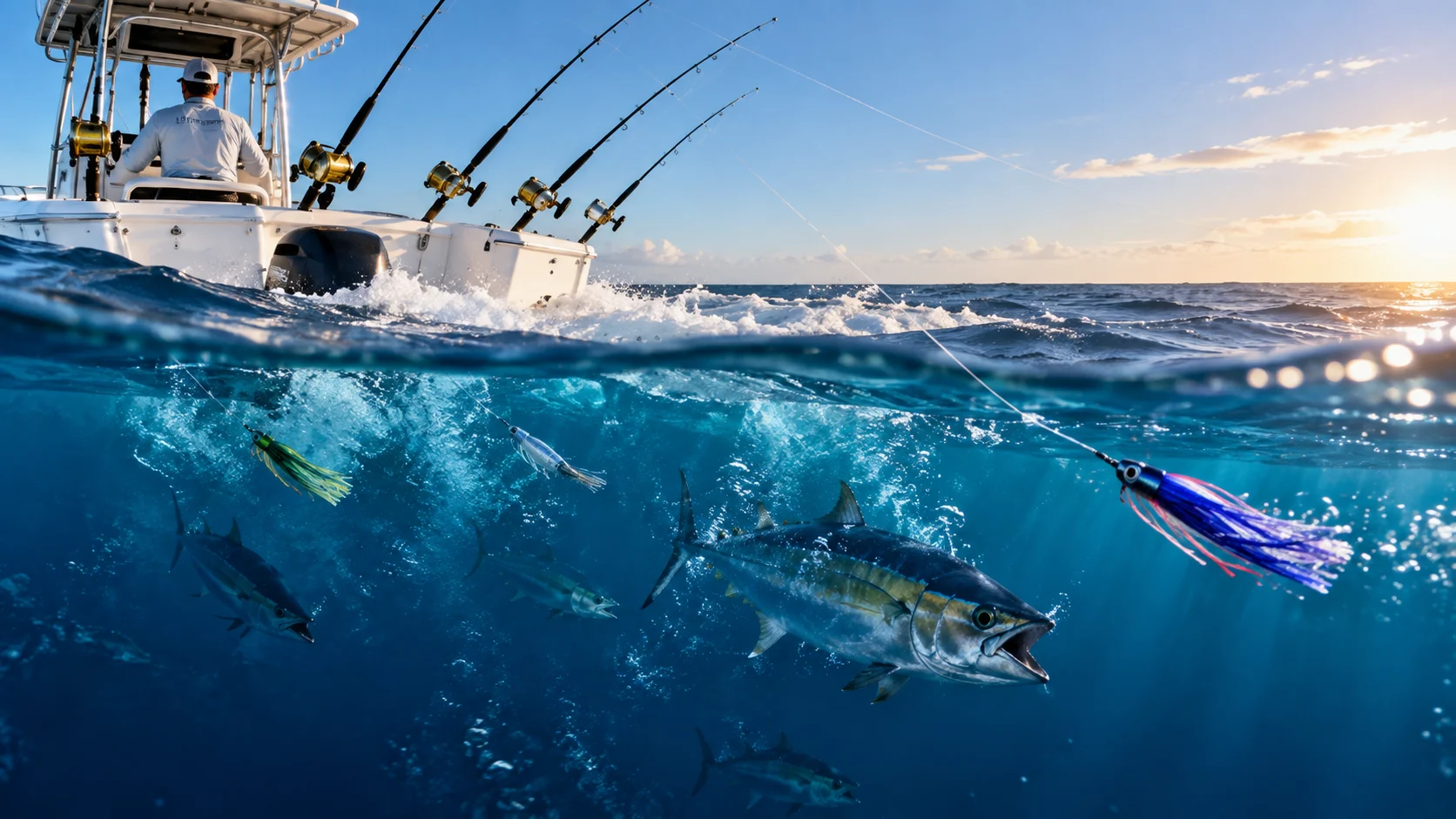
Trolling is a fishing method where one or more baited lines or lures are pulled through the water while a boat is moving. The idea is simple: instead of casting a lure and retrieving it, anglers use the movement of the boat to make the lure travel through the water.
This method is used in freshwater and saltwater fishing and can target many different species. Depending on the location, boat speed, lure type, and depth, anglers may catch anything from bass and trout to tuna, wahoo, salmon, and marlin.
Trolling is popular because it allows anglers to cover a large area of water while presenting lures at different depths and speeds.
Quick Beginner Setup
If you are new to trolling, keep your setup simple:
- Medium fishing rod and reel suitable for the fish you are targeting
- Monofilament or braided line with a leader when needed
- One reliable trolling lure that matches the local fish species
- Rod holder to keep the rod secure while the boat is moving
- Basic tackle tools such as pliers and a line cutter
- Fish finder if available, to help locate fish and understand water depth
Start with one or two rods rather than several lines. Keep the boat at a steady speed and experiment with the lure’s distance and depth until you find what works.
How Does Trolling Work?
The basic process involves letting a lure or bait trail behind a moving boat.
As the boat moves, the lure travels through the water and creates movement that can attract nearby fish. When a fish strikes, the angler reels in the line and fights the fish from the boat.
The lure can be positioned close to the surface or deeper in the water. Anglers use different equipment to control how deep the presentation runs.
The boat does not always need to move quickly. Different species respond to different speeds, so anglers adjust their speed based on the fish they are targeting and the type of lure being used.
Why Do Anglers Use This Fishing Method?
One of the biggest advantages is the amount of water that can be covered.
When casting from a fixed position, anglers are generally limited to the area within casting distance. A moving boat allows the angler to search a much larger area.
This can be especially helpful when fish are spread out or their exact location is unknown.
It also allows anglers to test different depths. Several lines can be placed at different distances behind the boat, allowing the angler to cover multiple parts of the water column.
What Is the Difference Between Trolling and Casting?
Casting and trolling both use artificial lures or bait, but the presentation is different.
With casting, the angler throws a lure toward a specific area and retrieves it. The lure’s movement is controlled mainly by the angler.
With trolling, the boat provides much of the movement. The lure is pulled through the water as the boat travels. Casting can be useful when fish are concentrated around structures, shorelines, rocks, vegetation, or other specific areas.
Trolling can be useful when fish are moving through open water or when anglers need to search a large area. Many anglers use both methods during the same fishing trip.
What Fish Can You Catch While Trolling?
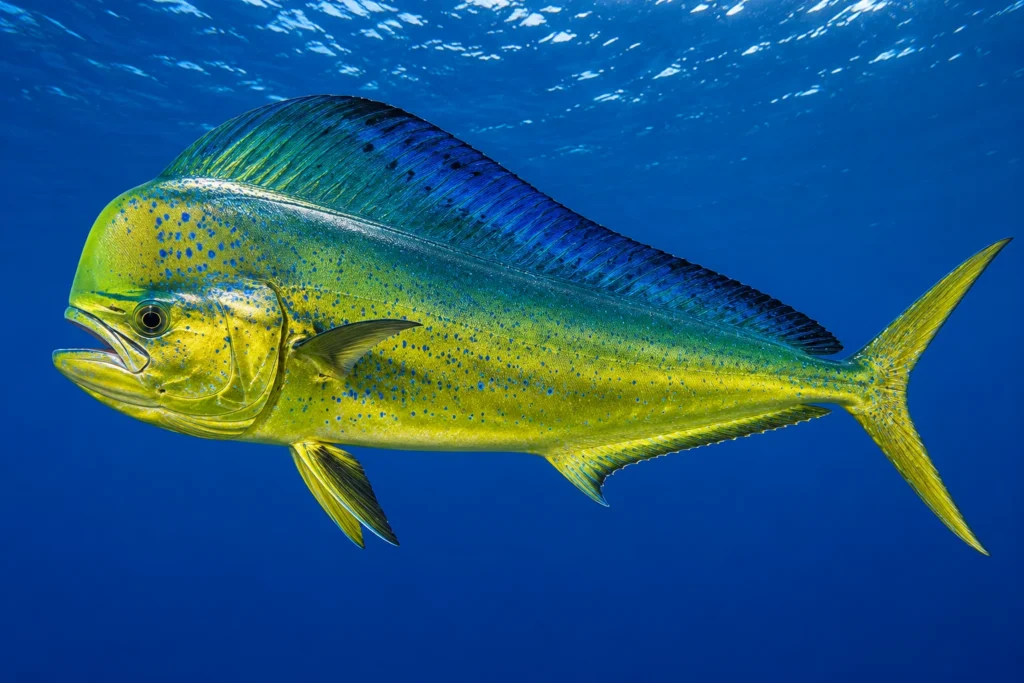
The species you can target depend heavily on where you are fishing.
In freshwater, anglers may use this technique for:
- Trout
- Salmon
- Walleye
- Bass
- Pike
- Muskie
- Lake trout
In saltwater, it is commonly used for:
- Tuna
- Wahoo
- Mahi-mahi
- Kingfish
- Sailfish
- Marlin
- Barracuda
- Mackerel
Different fish respond to different lure movements, speeds, depths, and bait choices. There is no single setup that works for every species.
What Lures Are Used for Trolling?
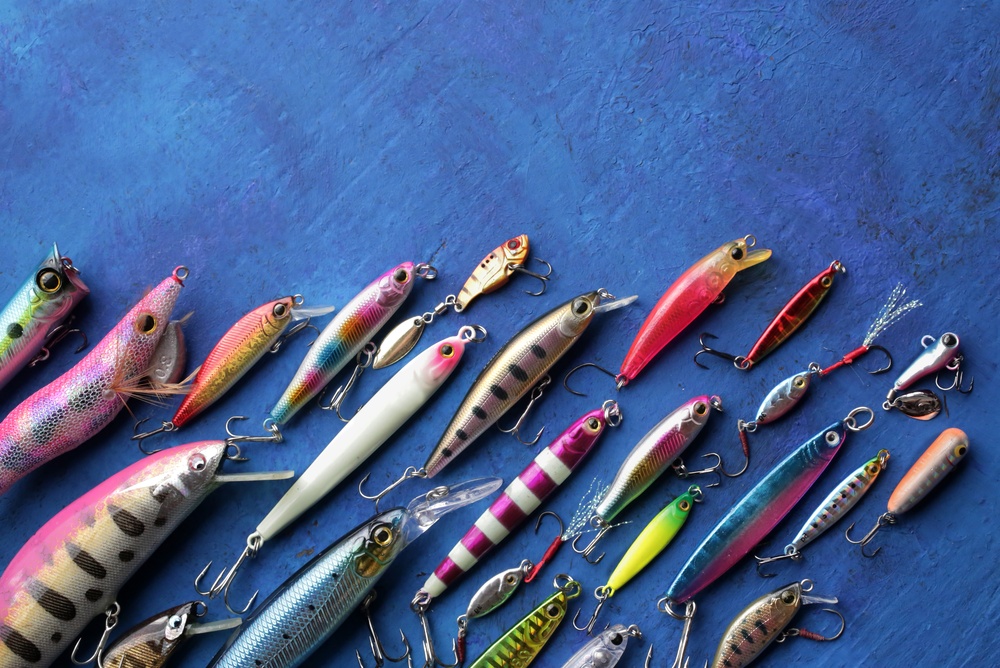
There are many types of lures available, and the right choice depends on the fish and water conditions.
Diving Plugs
Diving plugs are designed to move below the surface when pulled through the water. Their shape and lip design determine how deep they run.
They are widely used in freshwater fishing and can also be used in saltwater.
Spoons
Spoons create a flashing and wobbling action as they move through the water. They are commonly used when targeting fish that respond to a moving, reflective presentation.
Soft Plastics
Soft plastic lures can imitate baitfish, worms, squid, or other prey. They can be rigged in different ways and used at different depths.
Skirted Lures
Skirted lures are particularly common in offshore fishing. Their movement creates a visual presentation that can attract larger predatory fish.
Natural Bait
Trolling does not have to involve artificial lures. Natural bait can also be presented behind a moving boat.
Baitfish, squid, and other natural offerings may be rigged to create a natural swimming action.
How Deep Should You Troll?
There is no universal trolling depth.
Fish may be near the surface, suspended in the middle of the water column, or holding close to the bottom.
Water temperature, sunlight, food availability, weather, season, and fish behavior can all influence where fish are found.
Anglers use several methods to control depth. Some lures naturally dive when pulled through the water, while others require additional equipment.
Downriggers are one of the most effective tools for precise depth control. They use a weighted ball attached to a cable to take the fishing line down to a chosen depth.
Divers, planer boards, lead-core line, and weighted lines can also help place lures deeper in the water.
What Speed Is Best?
Boat speed is one of the most important parts of this fishing method.
The ideal speed depends on the species and lure.
Some presentations work best at slow speeds, while others are designed to move quickly. Fast-moving lures can be particularly useful when targeting aggressive predators.
Rather than focusing on one exact speed, anglers often adjust the boat until the lure produces the desired action.
Modern fish finders and GPS units can also help anglers repeat productive trolling speeds and routes.
What Equipment Do You Need?
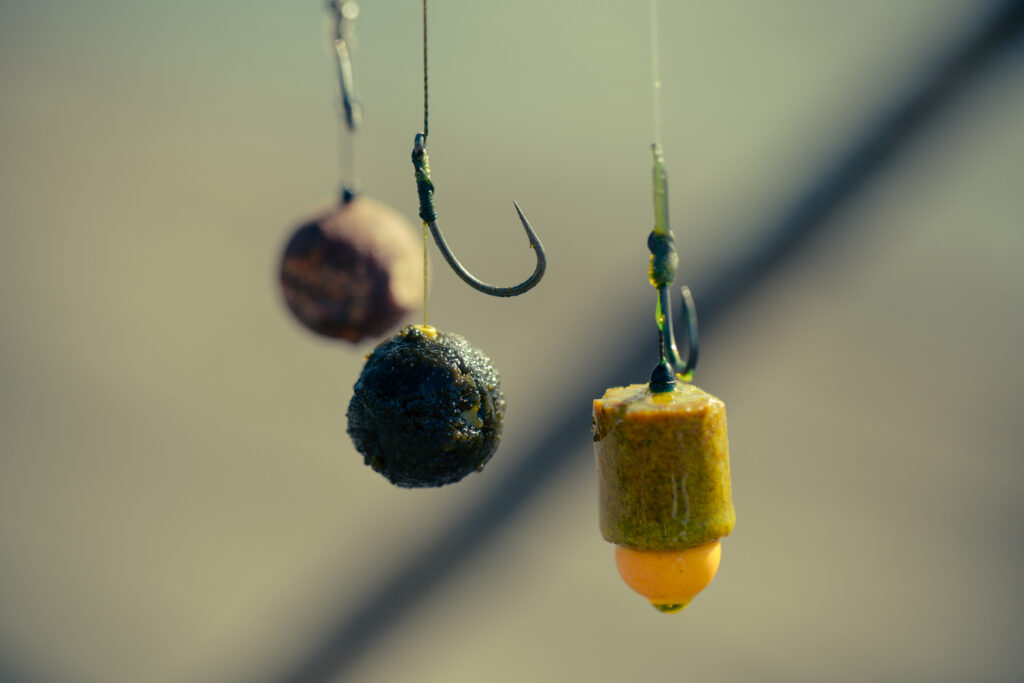
You do not need an enormous amount of specialized equipment to get started.
A basic setup may include:
- Fishing rod
- Reel
- Fishing line
- Lure or bait
- Rod holder
- Boat or suitable watercraft
- Pliers or hook-removal tools
- Landing net or gaff where appropriate
For deeper or offshore fishing, additional equipment may be necessary.
Heavy-duty rods and reels, stronger line, fighting belts, outriggers, downriggers, and specialized terminal tackle may all have a role depending on the species.
The important thing is to match the equipment to the fish you are targeting.
Using lightweight gear for a large offshore species can result in broken tackle, lost fish, or unsafe situations.
What Is a Trolling Rod?
A trolling rod is designed to handle the specific demands of pulling a lure or bait behind a moving boat.
Compared with some casting rods, trolling rods are often built to withstand sustained pressure and are commonly used with rod holders.
The right rod depends on the species, lure size, line strength, and fishing environment.
A rod used for small freshwater fish will be very different from one designed for offshore tuna or billfish.
What Is a Downrigger?
A downrigger is a piece of equipment used to place a fishing line at a controlled depth.
A heavy weight is lowered into the water using a cable. The fishing line is attached to the weight through a release mechanism.
When a fish strikes, the line separates from the release, allowing the angler to fight the fish normally.
Downriggers are especially useful when fish are holding at a predictable depth.
What Are Planer Boards?
Planer boards help spread fishing lines away from the boat.
Instead of having every lure travel directly behind the boat, the board pulls the line to one side. Multiple boards can be used to create a wider spread.
This can reduce line tangles and allow anglers to cover a larger area.
They are especially popular in freshwater and inshore fishing situations.
How Many Lines Can You Use?
The number of lines depends on the boat, fishing conditions, local regulations, and the experience of the anglers.
Using several lines can increase the area you cover, but more lines also increase the chance of tangles.
Experienced anglers may run multiple rods with different lures, depths, and distances behind the boat.
Beginners are often better off starting with fewer lines and learning how the equipment behaves before adding more.
Always check the local fishing regulations because some waters limit the number of rods or lines an angler can use.
How Far Behind the Boat Should the Lure Be?
The distance depends on the lure, target species, water clarity, boat traffic, and fishing conditions.
A lure does not necessarily need to be extremely far behind the boat to catch fish.
Different distances can also produce different lure actions and depths.
Anglers often experiment with line distance to determine what works best. Once a productive distance is found, it can be repeated.
Does Trolling Work in Freshwater?
Yes. It is widely used in freshwater fishing.
It can be particularly effective on large lakes and reservoirs where fish may be spread over significant distances.
Trout, salmon, walleye, lake trout, and other species are frequently targeted this way.
Freshwater anglers often combine trolling with a fish finder to locate temperature changes, underwater structures, baitfish, and suspended fish.
Does It Work in Saltwater?
Yes, and it is one of the most widely used techniques for offshore fishing.
Saltwater trolling can target large predatory fish that spend much of their time moving through open water.
Offshore anglers may run several lures behind a boat at different distances and positions. Outriggers and specialized trolling equipment can help spread the lines.
The gear must be matched carefully to the species because offshore fish can be powerful and fast.
What Is the Best Time to Troll?
There is no single best time for every fishery.
Early morning and late afternoon can be productive for many species because changing light and feeding activity can influence fish behavior.
However, fish can feed throughout the day, particularly when conditions are favorable.
Water temperature, weather, season, current, baitfish activity, and the target species are usually more important than simply choosing a particular hour.
How Do You Know If a Lure Is Working Properly?
A properly moving lure should usually have a consistent action appropriate for its design.
Many anglers watch the rod tip to see whether the lure is producing a steady movement.
You can also briefly bring the lure closer to the boat and observe its action in the water.
If a lure is spinning incorrectly, collecting weeds, or behaving differently from normal, it may need to be cleaned, adjusted, or replaced.
Common Mistakes Beginners Make
One common mistake is using the wrong speed.
- Moving too quickly or too slowly can prevent a lure from producing the intended action.
- Another mistake is fishing at only one depth. Fish are not always close to the surface, so experimenting with depth can be important.
- Running too many lines at once is another common problem. Tangles can quickly turn a productive trip into a frustrating one.
- Finally, beginners sometimes focus too much on the lure and not enough on finding fish.
A quality fish finder, local knowledge, and an understanding of seasonal fish behavior can be just as valuable as the lure itself.
Is Trolling Good for Beginners?
Yes, especially when starting with a simple setup.
The technique can be easier than casting in some situations because the boat provides the lure’s movement.
However, there are several things to learn, including speed control, line management, depth, lure selection, and boat positioning.
Starting with one or two rods is a good way to learn. Once you understand how your equipment behaves, you can gradually add more advanced techniques.
Safety Tips for Trolling
Boat safety should always come first.
Keep fishing lines organized and make sure rods are secured in proper holders. Loose lines can create a tripping hazard and may become tangled around equipment.
Everyone on board should wear appropriate safety equipment, particularly when fishing offshore or in changing weather.
Always follow local boating and fishing regulations.
If you are fishing offshore, check the weather before leaving and make sure the boat has the necessary safety equipment, communication tools, navigation equipment, and fuel for the trip.
FAQs About Trolling
Can trolling be done from a kayak?
Yes, trolling can be done from a kayak. It is particularly useful on calm lakes, rivers, and protected coastal waters, although the setup needs to be kept simple to avoid creating line tangles or affecting stability.
Can you troll from shore?
Traditional trolling is usually done from a moving boat, but some anglers use similar techniques while moving along shorelines or from other small watercraft. Shore fishing is generally better suited to casting.
Is trolling effective in shallow water?
Yes. Trolling can work in shallow water when the lure is selected and controlled at an appropriate depth. Anglers should pay attention to the bottom to avoid repeatedly catching weeds or rocks.
Can you troll at night?
Yes, depending on the target species and local regulations. Some fish become more active after dark, but nighttime fishing requires extra attention to navigation, visibility, boat traffic, and safety equipment.
What type of line is best for trolling?
The best line depends on the target fish and fishing conditions. Monofilament is forgiving and has some stretch, while braided line offers low stretch and greater sensitivity. The line should be strong enough for the species and tackle being used.
Do trolling lures need to be changed often?
Not necessarily. A productive lure can continue to work for a long time. However, anglers may change lures when water conditions, depth, light levels, baitfish, or target species change.
Can you troll in strong wind?
It is possible, but strong wind can make boat control and line management more difficult. Safety and water conditions should come first, especially when fishing from smaller boats.
Why do trolling lines sometimes get tangled?
Tangles can happen when lines are placed too close together, the boat changes direction sharply, or lures run at different depths and cross paths. Keeping the setup simple and organized helps reduce this problem.
Is a fish finder necessary for trolling?
No, but it can be very useful. A fish finder can help identify depth, underwater structures, temperature changes, and areas where fish or baitfish may be present.
Can the same lure be used for freshwater and saltwater trolling?
Some lures can be used in both environments, but not all are designed for saltwater. Saltwater can be harder on hooks, split rings, and other tackle components, so equipment should be rated for the environment and species being targeted.
Conclusion
Trolling is a practical and versatile fishing technique that allows anglers to cover water while presenting bait or lures at different speeds and depths. It can be used in lakes, rivers, coastal waters, and offshore fishing grounds.
The most important parts of successful trolling are understanding the fish you are targeting, choosing suitable equipment, controlling your speed, and finding the right depth.
You do not need the most complicated setup to get started. A suitable rod and reel, reliable line, the right lure, and a safe way to position your gear can be enough to learn the basics.
As you gain experience, you can experiment with downriggers, planer boards, different lure patterns, multiple rods, and more precise depth control. The more you learn about the water and the behavior of your target species, the more effective this technique can become.