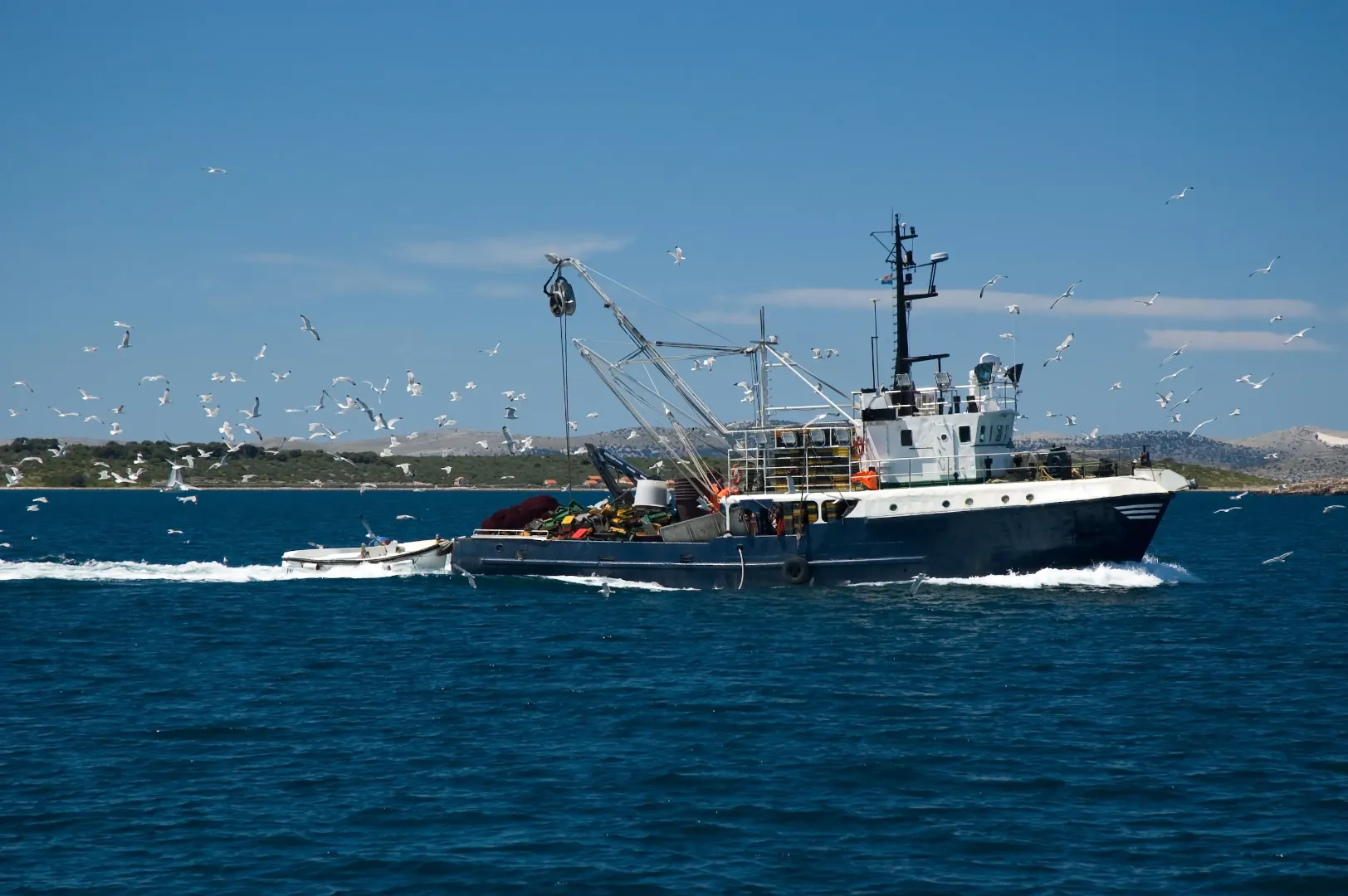
Commercial fishing is an important part of the seafood industry. It supplies fish and other marine products to grocery stores, seafood markets, restaurants, and food suppliers around the world. From small fishing boats working close to the coast to large vessels spending weeks at sea, commercial fishing takes many forms.
Many people enjoy seafood without knowing how it reaches their plates. Commercial fishing involves more than catching fish. It includes choosing fishing locations, using the right equipment, handling the catch, and transporting seafood while keeping it fresh.
Understanding how commercial fishing works also helps explain why different fishing methods are used for different species and environments.
Key Takeaways
- Commercial fishing involves catching fish and other aquatic animals for sale and profit.
- It takes place in coastal waters, offshore areas, deep oceans, lakes, and rivers.
- Common fishing methods include longlining, trawling, purse seining, gillnetting, and trap fishing.
- The industry supplies seafood, creates jobs, and supports fishing communities.
- Responsible fishing practices and effective management help protect fish populations and aquatic habitats.
What Is Commercial Fishing?
Commercial fishing is the practice of catching fish and other aquatic animals for sale and profit. It takes place in oceans, coastal waters, rivers, lakes, and other bodies of water.
Unlike recreational fishing, where people fish for enjoyment or personal use, commercial fishing is carried out as a business. The catch is sold to seafood distributors, processing companies, restaurants, retailers, and other buyers.
Commercial fishing targets a wide range of species, including tuna, salmon, cod, shrimp, crab, lobster, sardines, and many others. The species caught depend on the location, season, water conditions, fishing regulations, and equipment used.
Some commercial fishing operations use small boats and work close to shore. Others rely on large fishing vessels equipped with navigation systems, refrigeration, fish storage facilities, and specialized gear.
The main goal is to catch seafood efficiently while meeting market demand and following applicable fishing laws.
How Does Commercial Fishing Work?
Commercial fishing involves several steps, starting with planning a fishing trip and ending with the sale of the catch.
1. Planning the Fishing Trip
Before leaving the dock, fishing crews consider weather conditions, target species, fishing seasons, and the availability of suitable fishing grounds. They also check fuel supplies, fishing gear, safety equipment, and storage capacity.
Commercial fishing businesses need to plan carefully because fuel, crew wages, equipment maintenance, and other operating expenses can make each trip costly.
2. Finding Fishing Grounds
The crew identifies areas where the target species are likely to be found. Fish location depends on factors such as water temperature, depth, currents, food availability, and seasonal movement.
Some crews rely on experience and knowledge of local waters. Others use GPS, sonar, fish finders, charts, and other electronic equipment to locate productive areas.
3. Catching the Fish
Once the boat reaches a suitable location, the crew uses the fishing method that works best for the target species. Common methods include longline fishing, trawling, purse seining, and trap fishing.
Each method has its own equipment, operating costs, and environmental considerations.
4. Handling and Storing the Catch
After the fish are caught, they need to be handled properly. Depending on the species and market requirements, the crew might sort, clean, bleed, chill, or freeze the catch.
Keeping seafood at the correct temperature helps maintain quality and reduces spoilage. Larger vessels can have onboard refrigeration or freezing facilities, while smaller boats often return to shore more frequently.
5. Selling and Distributing Seafood
When the vessel returns to port, the catch is unloaded and sold or delivered to buyers. Some seafood goes directly to restaurants and fish markets, while other catches are sent to processing facilities.
The seafood can then be cleaned, filleted, packaged, frozen, or prepared for further distribution.
What Are the Main Types of Commercial Fishing?
Commercial fishing can be divided into several types based on where fishing takes place and which species are targeted.
1. Inshore Commercial Fishing
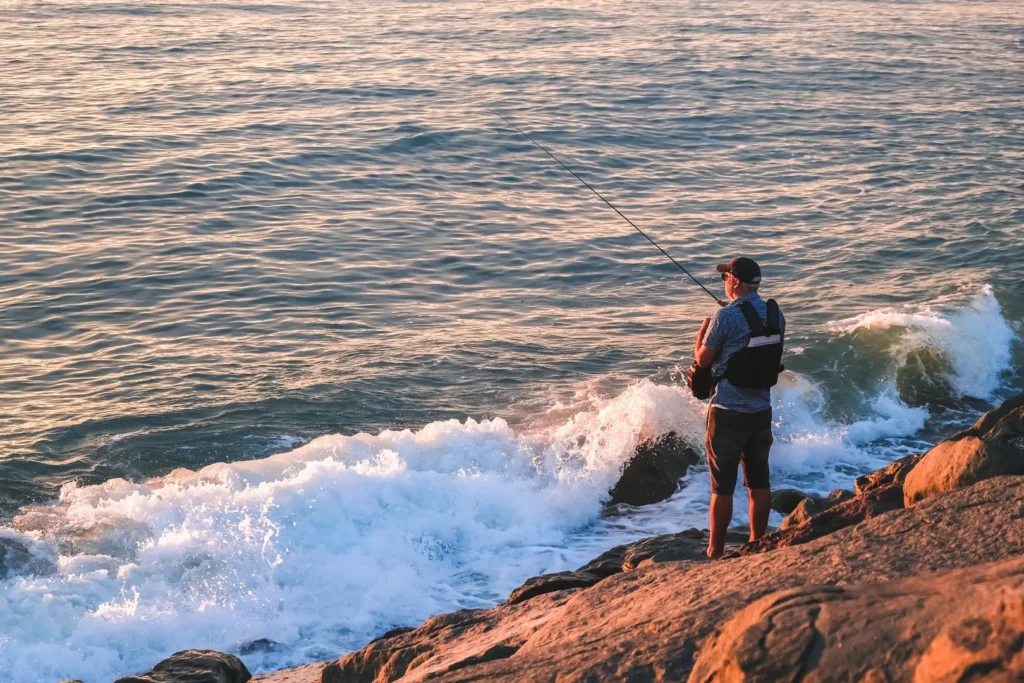
Inshore commercial fishing takes place close to the coast, often in bays, estuaries, and nearshore waters. It commonly uses smaller boats and shorter fishing trips.
Depending on the region, inshore fisheries can target shrimp, crabs, oysters, snapper, and other commercially valuable species.
Because these operations work closer to shore, crews can often return to port the same day. However, their activities are still affected by tides, weather, seasonal restrictions, and local fishing regulations.
2. Offshore Commercial Fishing
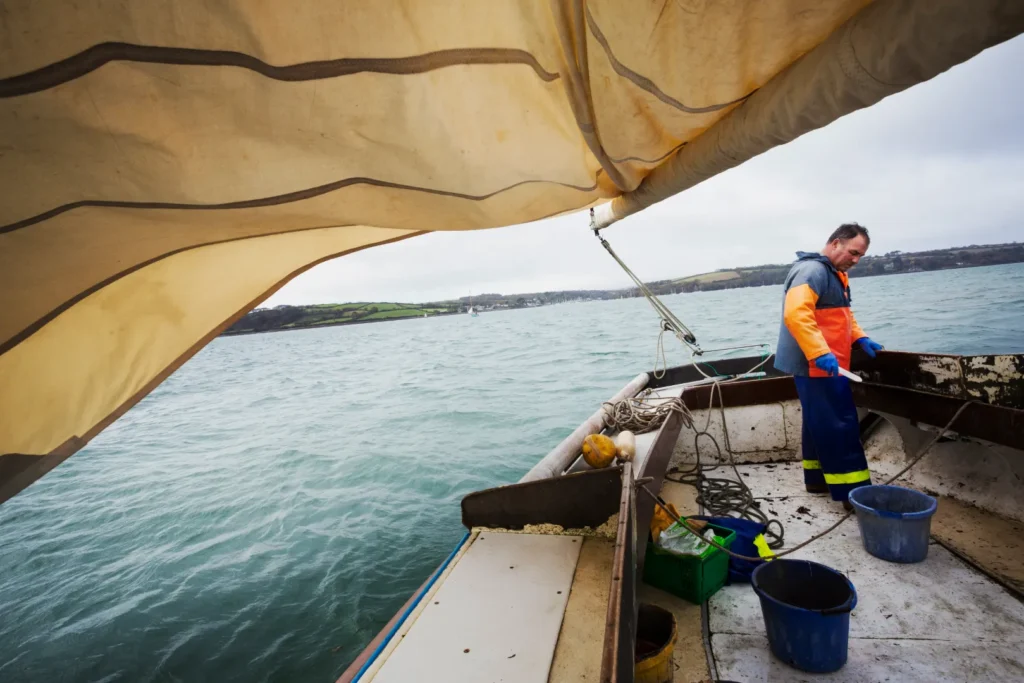
Offshore commercial fishing takes place farther from the coast in deeper waters. It often requires larger vessels, more fuel, and specialized equipment.
Offshore fisheries target species such as tuna, swordfish, and other fish found in deeper or open waters. Some trips last several days, while others can continue for weeks.
These operations require careful planning because crews need enough fuel, food, storage capacity, and safety supplies for extended periods at sea.
3. Deep-Sea Commercial Fishing
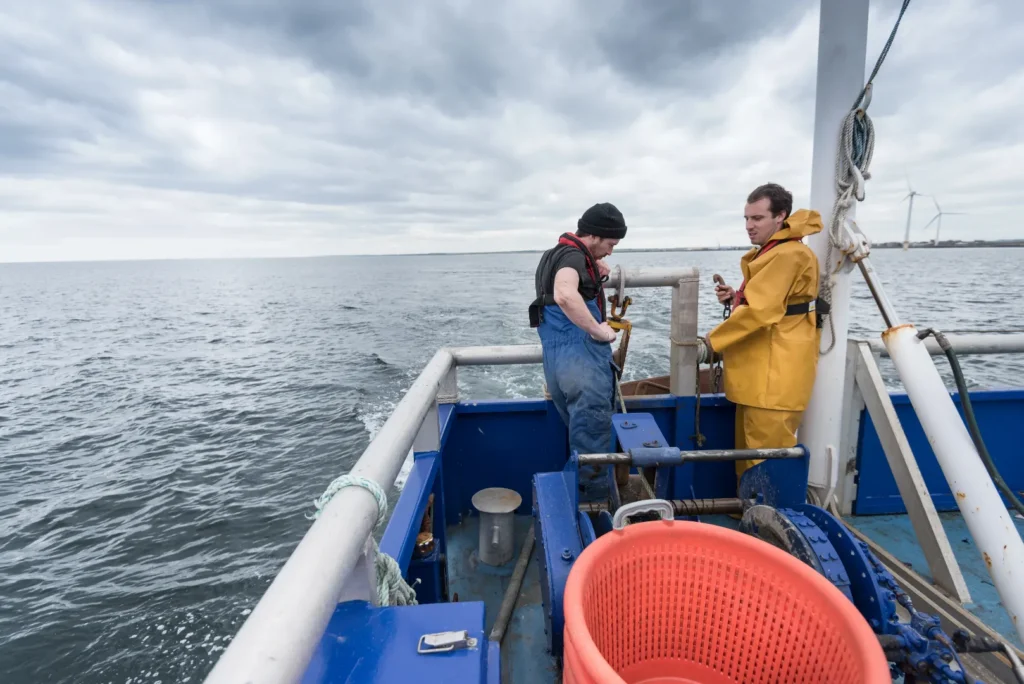
Deep-sea commercial fishing takes place in deep ocean waters, often far from shore. It can target species that live near the seabed or occupy deep-water habitats.
Depending on the fishery, vessels might use deepwater longlines, bottom trawls, or other specialized equipment.
Fishing in deep water can be expensive because of the distance traveled, equipment requirements, and time needed to locate and catch the target species. Some deep-sea fisheries also raise concerns about damage to sensitive seabed habitats and the sustainability of slow-growing fish populations.
4. Freshwater Commercial Fishing
Freshwater commercial fishing takes place in lakes, rivers, reservoirs, and other inland waters. It supplies species such as carp, catfish, perch, and other fish that have established commercial markets.
The equipment and techniques used depend on the local environment and the fish being targeted. Nets, traps, and other permitted gear are common in some freshwater fisheries.
Freshwater commercial fishing can provide income for inland communities, but it also depends on healthy water systems, responsible catch limits, and protection of fish populations.
5. Shellfish Fishing
Shellfish fishing focuses on commercially valuable aquatic animals such as shrimp, crab, lobster, and certain mollusks.
Different species require different techniques. Shrimp might be caught using trawls, while crab and lobster are often caught using baited pots or traps.
Shellfish fisheries can be seasonal, and their success depends on environmental conditions, market demand, and regulations that protect breeding populations.
What Methods Are Used in Commercial Fishing?
The fishing method depends on the target species, water depth, habitat, and local rules. Here are some of the most common commercial fishing methods.
Longline Fishing
Longline fishing uses a main fishing line with many smaller lines attached. Each branch line carries a baited hook designed to catch a particular species.
Commercial longline fishing is used for species such as tuna, swordfish, and some groundfish. The lines can be set near the surface or at greater depths, depending on the target fish.
One advantage of longline fishing is that the gear can target particular species when properly designed and operated. However, seabirds, turtles, sharks, and other non-target animals can also be caught.
Trawl Fishing
Trawl fishing involves pulling a large net through the water or along the seabed. The net collects fish and other marine animals as the vessel moves.
Midwater trawling targets fish swimming away from the seabed, while bottom trawling is used for species that live on or near the ocean floor.
Trawling can catch large quantities of seafood, making it an important method in many fisheries. However, some forms of trawling can disturb seabed habitats and result in unwanted bycatch.
Purse Seine Fishing
Purse seine fishing uses a large net to surround a school of fish. The bottom of the net is then pulled together, much like closing a drawstring bag, to prevent the fish from escaping underneath.
This method is commonly used to catch schooling species such as sardines, anchovies, and certain types of tuna.
Purse seining can be efficient when fish gather in large schools. Its environmental impact depends on how and where the gear is used, including whether it catches non-target species.
Trap and Pot Fishing
Trap fishing uses containers or cages designed to attract and hold aquatic animals. Bait is often placed inside to draw the target species into the trap.
Crab, lobster, and some other bottom-dwelling species are commonly caught this way.
Traps can allow unwanted animals to be released, depending on the design and condition of the catch. However, lost fishing gear can continue trapping marine animals if it remains in the water.
Gillnet Fishing
Gillnets are nets that catch fish when they swim into the mesh and become entangled around the gills or body.
They are used in some commercial fisheries for species such as salmon, herring, and other fish, depending on local conditions.
Gillnets can be effective, but they can also catch protected species and other marine animals. Regulations often control where, when, and how these nets can be used.
What Is the Difference Between Commercial and Recreational Fishing?
The main difference is the purpose of the activity.
Commercial fishing is carried out to generate income by selling the catch. Recreational fishing is generally done for enjoyment, sport, or personal consumption.
Commercial fishing businesses often use specialized gear, larger storage facilities, and vessels designed for regular fishing operations. Recreational anglers tend to use personal boats, fishing rods, reels, and other equipment suited to their activities.
The two activities can also have different legal requirements. Commercial fishers often need specific licenses, permits, catch documentation, and compliance with rules governing the species they can harvest and sell.
Recreational fishers may face separate limits on the number, size, or type of fish they can keep.
Neither activity is automatically sustainable or harmful in every situation. The impact depends on fishing methods, the number of fish caught, local regulations, and how well fish populations are managed.
Why Is Commercial Fishing Important?
Commercial fishing supports food supplies, employment, and local economies.
It Supplies Seafood
Commercial fisheries provide seafood to households, restaurants, hotels, supermarkets, and food manufacturers. Fish and shellfish are important sources of protein and other nutrients for many people.
Different fisheries supply different markets, from fresh local catches to frozen seafood distributed internationally.
It Supports Jobs and Businesses
The industry provides employment for fishers, boat operators, deckhands, seafood processors, transport workers, wholesalers, and retailers.
Fishing communities often depend on these jobs, along with related businesses such as boat repair shops, fuel suppliers, equipment dealers, and cold-storage facilities.
It Supports Coastal Communities
In many coastal areas, commercial fishing is closely connected to local culture and economic activity. Fishing seasons influence market activity, employment, and the availability of local seafood.
Responsible management helps communities maintain these benefits over time.
What Are the Environmental Impacts of Commercial Fishing?
Commercial fishing can provide important economic and food benefits, but it also creates environmental challenges when fisheries are poorly managed.
Overfishing
Overfishing occurs when fish are caught faster than populations can replace themselves. If this continues, fish stocks can decline, making it harder for fisheries and communities to remain economically viable.
Catch limits, seasonal closures, minimum size requirements, and other management measures can help reduce this risk.
Bycatch
Bycatch refers to animals caught unintentionally while fishers target other species. These animals can include undersized fish, turtles, seabirds, sharks, and marine mammals.
Fishing gear modifications, improved monitoring, and changes to fishing practices can help reduce unwanted catches.
Habitat Damage
Some fishing methods can damage marine habitats. Bottom trawling, for example, can disturb the seabed, particularly in sensitive areas.
Fishing gear restrictions, protected areas, and appropriate management practices can help limit damage to important habitats.
Lost Fishing Gear
Nets, lines, and traps sometimes become lost at sea. This equipment can continue catching animals, a problem known as ghost fishing.
Better gear marking, retrieval programs, and equipment designed to reduce continued trapping can help address the issue.
How Can Commercial Fishing Be More Sustainable?
Sustainable commercial fishing aims to meet seafood demand without exhausting fish populations or causing unacceptable damage to aquatic ecosystems.
Several practices can support this goal.
- Follow catch limits: Harvesting should remain within scientifically supported limits designed to protect fish populations.
- Use selective fishing gear: Equipment that reduces bycatch can help protect non-target species.
- Protect breeding grounds: Seasonal closures and protected habitats can give fish populations time and space to reproduce.
- Monitor fishing activity: Catch records, inspections, and vessel monitoring can help fisheries follow regulations.
- Reduce waste: Proper handling, storage, and processing can prevent edible seafood from being lost after capture.
- Choose responsibly managed fisheries: Buyers can look for credible information about where seafood comes from and how it was caught.
Sustainability depends on more than one fishing technique. Effective management, reliable scientific information, enforcement, and cooperation between fishing businesses and regulators all play a role.
Frequently Asked Questions
How do commercial fishermen get paid?
Commercial fishermen earn money through wages, shares of the catch, or profits from selling seafood, depending on their employment arrangement.
Do commercial fishing boats have licenses?
Yes, commercial fishing operations generally require licenses or permits, depending on the fishing location, target species, and local regulations.
What happens to fish after commercial fishing?
Fish are sorted, chilled or frozen, and transported to seafood processors, wholesalers, restaurants, and retailers for sale.
What is the largest commercial fishing vessel?
Large factory fishing vessels can exceed 100 meters in length and process or freeze large catches onboard. Vessel size varies by fishery and purpose.
Can commercial fishing take place all year?
Commercial fishing can operate year-round in some fisheries, while others have seasonal restrictions to protect breeding populations or manage fish stocks.
What is a factory fishing vessel?
A factory fishing vessel is a ship equipped to catch and process seafood onboard, with facilities for cleaning, freezing, packaging, or storing the catch.
What qualifications do you need to become a commercial fisherman?
Requirements vary by country and job. They can include safety training, medical fitness, fishing licenses, and relevant vessel or navigation certifications.
What is the difference between wild-caught and farmed seafood?
Wild-caught seafood comes from natural water bodies, while farmed seafood is raised in controlled aquatic environments through aquaculture.
How do commercial fishermen know where to catch fish?
They use fishing experience, seasonal patterns, GPS, sonar, fish finders, and information about water temperature and currents to locate suitable fishing grounds.
What factors affect commercial fishing profits?
Commercial fishing profits depend on catch volume, seafood prices, fuel costs, crew wages, equipment maintenance, and regulatory requirements.
Conclusion
Commercial fishing connects fishing communities with seafood markets and consumers around the world. It includes a wide range of operations, from small boats working near the coast to large vessels fishing in distant waters.
The methods used depend on the species being targeted, the environment, and the scale of the operation. While commercial fishing supports food supplies and employment, it also needs responsible management to limit overfishing, reduce bycatch, and protect marine habitats.
Understanding how commercial fishing works makes it easier to appreciate the work involved in bringing seafood from the water to the market. It also highlights why sustainable fishing practices matter for the future of the industry and the communities that depend on it.