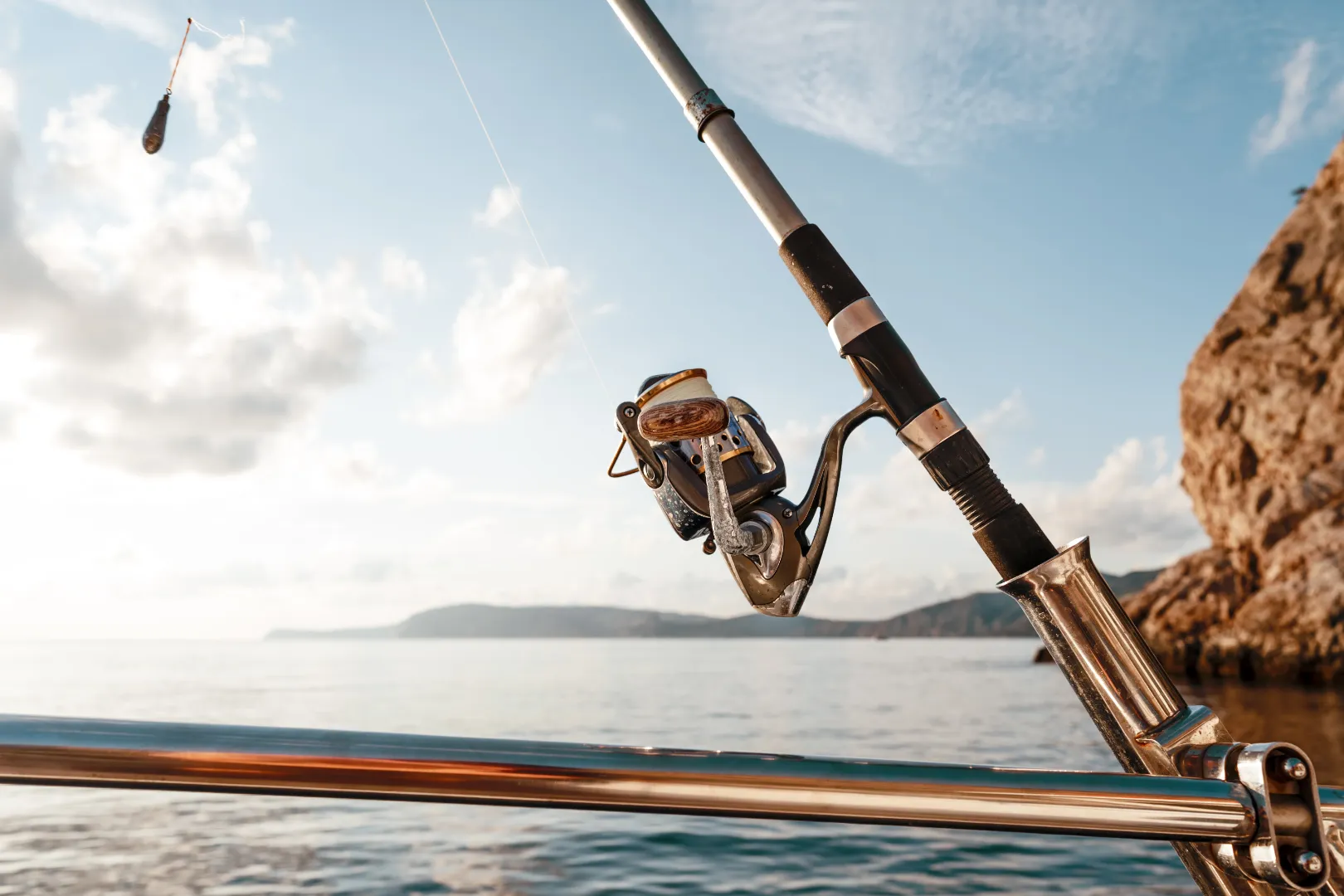
Fishing conditions can change significantly depending on where you fish. Inshore fishing takes place in coastal waters such as bays, estuaries, tidal creeks, and flats, while offshore fishing involves traveling farther from the coast into more exposed waters. The two styles differ in water depth, habitat, target species, fishing techniques, equipment, and typical trip conditions.
Understanding the difference between inshore vs offshore fishing helps anglers choose suitable locations, prepare the right equipment, and understand what to expect on the water.
Key Takeaways
- Inshore fishing takes place in coastal waters, including bays, estuaries, tidal creeks, and shallow flats, while offshore fishing occurs farther from the coast.
- Target species differ by habitat. Inshore anglers may catch redfish, spotted seatrout, and snook, while offshore anglers may target mahi-mahi, tuna, wahoo, and reef fish.
- Fishing equipment depends on the location and target species. Inshore fishing often uses light to medium tackle, while offshore fishing may require heavier equipment.
- Offshore trips generally require more planning because of longer travel distances, exposed conditions, fuel requirements, and marine safety considerations.
- Weather, regulations, and fishing techniques matter in both settings. Always check local fishing rules, licenses, catch limits, and marine forecasts before heading out.
Inshore vs Offshore Fishing: Key Differences
| Feature | Inshore Fishing | Offshore Fishing |
|---|---|---|
| Location | Bays, estuaries, flats, and coastal channels | Open water, deeper reefs, wrecks, and offshore grounds |
| Water depth | Often shallow to moderately deep | Often deeper, depending on the destination |
| Boat requirements | Shore access, kayaks, and smaller boats may be suitable | Requires a seaworthy boat suited to the distance and conditions |
| Fishing methods | Casting, drifting, and bait fishing | Trolling, bottom fishing, and vertical jigging |
| Common tackle | Often light to medium tackle | Often medium to heavy tackle, depending on the target |
| Trip conditions | Can be more sheltered | Generally more exposed to wind and waves |
| Trip duration | Can be short or extended | Often requires additional travel time |
| Target species | Commonly coastal and estuarine fish | Often open-water or deeper-reef species |
These are general distinctions rather than strict rules. Inshore fishing can take place in rough conditions, and some offshore locations may be relatively close to land. The specific geography matters more than the label alone.
What Is Inshore Fishing?
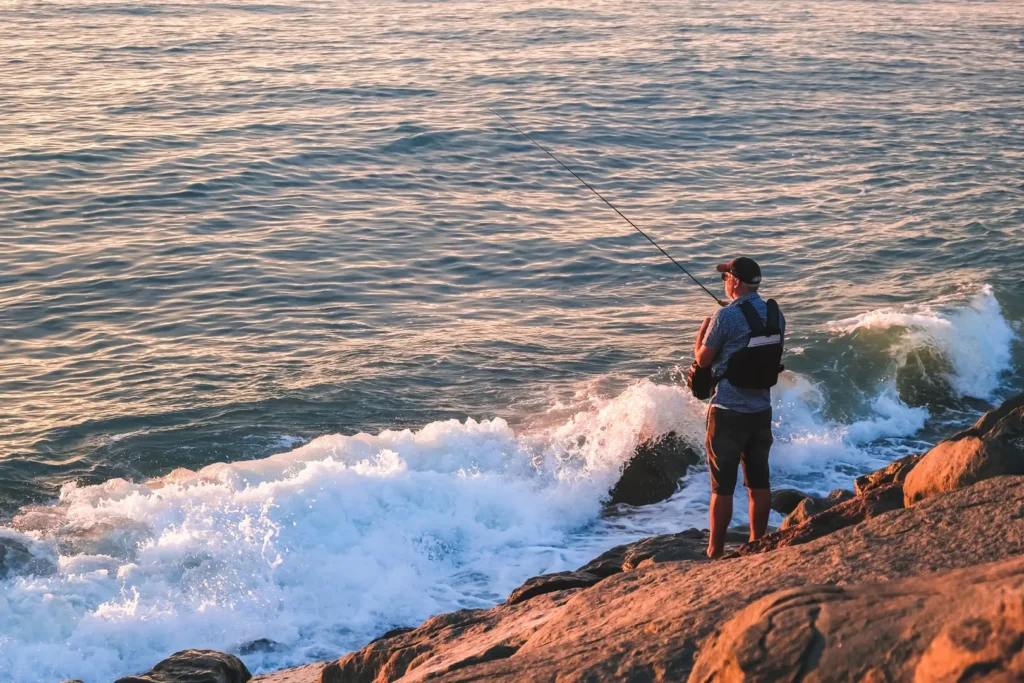
Inshore fishing generally takes place in coastal waters close to land. Common locations include bays, estuaries, shallow flats, tidal creeks, mangrove shorelines, and protected coastal channels.
An estuary is an area where freshwater from rivers and streams mixes with seawater. These environments can provide feeding and nursery habitat for many fish species.
Inshore waters are often shallower and more sheltered than offshore waters, although conditions vary by location. Anglers may fish from shore, a dock, a kayak, or a small boat.
Common inshore fishing methods include casting artificial lures, using live or cut bait, and fishing with light or medium tackle.
Common Inshore Fish Species
The species available depend on the region, season, water temperature, and habitat. In parts of the southeastern United States and Florida, common inshore targets include:
- Red drum, also called redfish
- Spotted seatrout
- Snook
- Flounder
- Sheepshead
- Mangrove snapper
These fish use different habitats for feeding, shelter, and reproduction. For example, anglers may find some species around mangrove roots, grass flats, oyster beds, docks, or channels.
Not every species is present in every location, and seasonal movements can affect where fish are found.
What Is Offshore Fishing?
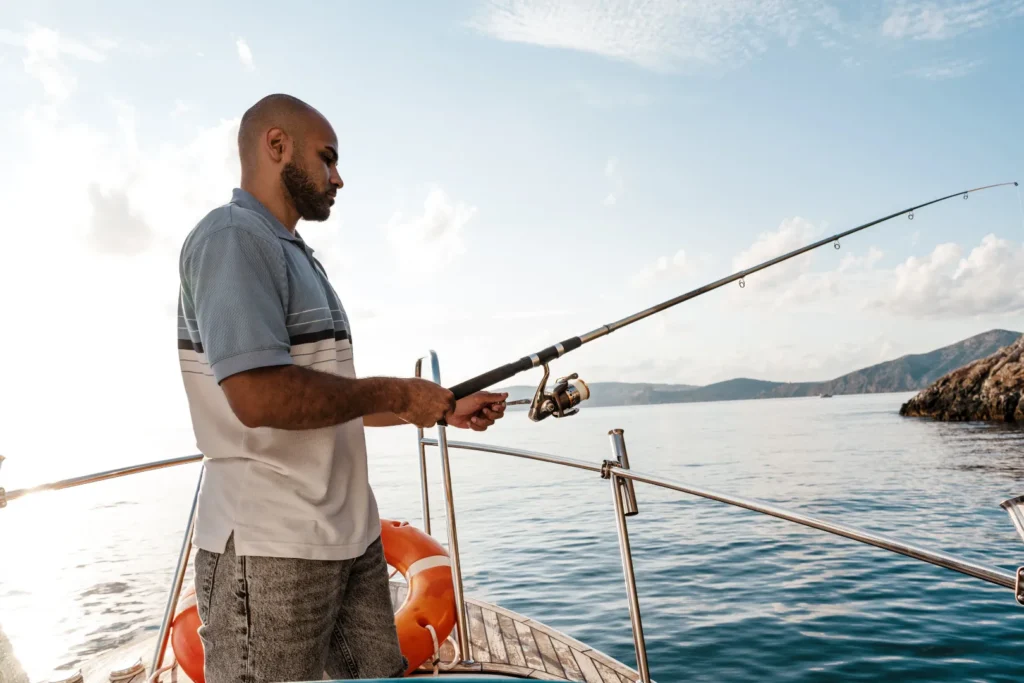
Offshore fishing takes place farther from the coast in more exposed marine waters. Depending on the region and target species, anglers may travel to reefs, wrecks, ledges, deeper water, or open-ocean fishing grounds.
Offshore trips generally require a suitable boat, appropriate safety equipment, and careful consideration of marine weather conditions.
Fishing techniques vary according to the location and target species. Anglers may troll lures or bait behind a moving boat, fish vertically over reefs and wrecks, or use bottom-fishing rigs to target species near the seabed.
Common Offshore Fish Species
Offshore fishing can target a variety of fish, depending on local waters and habitat.
Examples include:
- Mahi-mahi
- Yellowfin tuna
- Wahoo
- Sailfish
- Swordfish
- Grouper
- Some snapper species
Mahi-mahi, tuna, wahoo, and sailfish are associated with open-water fishing in many regions. Grouper and certain snapper species are commonly targeted around reefs, wrecks, and other underwater structures.
Not all offshore species live in the same depths or habitats. Some occupy the water column, while others spend much of their time near the bottom.
What Equipment Is Used for Inshore Fishing?
Inshore fishing equipment depends on the fish species, water depth, structure, and fishing method.
A typical setup may include a spinning rod and reel, suitable fishing line, hooks, sinkers, artificial lures, and bait. Light or medium tackle is often sufficient for common inshore species, although stronger equipment may be needed around heavy structure or for larger fish.
Artificial lures include soft plastics, jigs, spoons, and topwater lures. Live or cut bait can also be effective when matched to the target species and local conditions.
Other useful equipment may include:
- Polarized sunglasses
- A landing net
- Pliers and line cutters
- A measuring tool
- A tackle box
- Appropriate sun protection
Anglers fishing from boats or kayaks should also carry required safety equipment and check local boating rules.
What Equipment Is Used for Offshore Fishing?
Offshore fishing equipment is selected according to the depth, target species, fishing technique, and expected fish size.
Trolling for pelagic species such as tuna or mahi-mahi may require suitable trolling rods, reels, line, leaders, and lures or bait. Bottom fishing around reefs or wrecks may require stronger rods, heavier sinkers, and tackle capable of handling the target species and water depth.
Offshore anglers may also use:
- GPS and chartplotting equipment
- A marine radio
- Navigation charts
- Fish-finding sonar
- Appropriate life jackets
- Emergency and first-aid supplies
- Suitable anchors and safety equipment
The boat’s range, fuel supply, communication equipment, and ability to handle expected sea conditions are important considerations for offshore trips.
Are Inshore and Offshore Fishing Techniques Different?
Yes. Although some techniques can be used in both settings, the location and target species influence how anglers fish.
Inshore Fishing Techniques
Casting: Anglers cast lures toward fish-holding areas such as grass edges, docks, mangroves, and channels.
Drifting: A boat moves with the wind or current while anglers fish over a selected area.
Live-bait fishing: Live shrimp, baitfish, or other suitable bait may be presented to attract target species.
Bottom fishing: A baited hook is positioned near the bottom to target species feeding close to the seabed.
Offshore Fishing Techniques
Trolling: Bait or artificial lures are pulled behind a moving boat. This technique is widely used for certain open-water species.
Bottom fishing: Baited rigs are lowered toward the seabed to target reef-associated or bottom-dwelling fish.
Vertical jigging: A weighted jig is worked vertically through the water column to attract fish.
Drifting: Boats may drift over reefs, wrecks, or other fishing areas while anglers present bait at different depths.
The best technique depends on the fish’s behavior, water conditions, and the type of habitat being fished.
Is Inshore Fishing Easier Than Offshore Fishing?
Inshore fishing can be easier to access because some locations are close to shore and may require less travel time. Certain inshore trips can be completed with relatively simple equipment.
However, inshore fishing still requires knowledge of tides, currents, fish behavior, and local hazards. Shallow water, changing tides, submerged obstacles, and strong currents can create challenges.
Offshore fishing often requires more planning because anglers may travel farther from land and encounter changing sea conditions. Finding fish may involve locating reefs, wrecks, temperature changes, currents, or other features.
Neither style guarantees a catch. Fishing success depends on many factors, including season, weather, bait availability, location, and technique.
How Do Weather and Water Conditions Affect Fishing?
Weather and water conditions influence both inshore and offshore fishing, but their effects can differ.
Inshore anglers often pay close attention to tides, current direction, water clarity, rainfall, and changes in water temperature. These factors can affect where fish feed and how they move through estuaries and coastal habitats.
Offshore anglers must also consider swell height, wave period, wind speed, current, and marine forecasts. Conditions can change over open water, and a location that appears calm near shore may be rougher farther out.
Always review a suitable marine forecast before leaving. A boat and crew should be capable of handling the conditions expected during the entire trip, including the return journey.
Is Inshore or Offshore Fishing Better for Beginners?
Either can be suitable for beginners when the trip matches their experience and conditions.
Inshore fishing may provide an accessible introduction because some locations are sheltered and close to shore. Beginners can learn casting, bait presentation, knot tying, and fish handling in these environments.
Offshore fishing can also be an option for beginners when they go with an experienced captain or crew on a suitable vessel. A guided trip can provide instruction on equipment, fishing methods, and safety practices.
The best starting point depends on the location, the angler’s comfort on the water, and the type of fishing experience they want.
What Should You Know About Fishing Regulations?
Fishing regulations differ by location, species, season, and fishing method. Rules may cover licensing, minimum fish sizes, daily bag limits, closed seasons, restricted areas, and permitted gear.
In the United States, state agencies generally manage recreational fishing in state waters, while federal agencies and regional management bodies regulate many fisheries in federal waters. Specific requirements vary by region and species.
Before fishing, check the official regulations for your destination. Do not assume that a license, season, or catch limit that applies in one location also applies elsewhere.
Frequently Asked Questions
Can you catch big fish while inshore fishing?
Yes. Inshore waters can hold large fish, including sizable redfish, snook, and tarpon in suitable locations. The species and sizes available depend on local habitat and conditions.
Is offshore fishing always in deep water?
Not necessarily. Offshore fishing generally takes place farther from shore, but the depth varies with the coastline, continental shelf, reefs, and fishing destination.
What is nearshore fishing?
Nearshore fishing takes place relatively close to the coast, often around coastal reefs, beaches, or other accessible marine habitats. The exact meaning can vary by region and charter operator.
Do you need a bigger boat for offshore fishing?
Offshore fishing often requires a boat with suitable seaworthiness, range, fuel capacity, and safety equipment. The appropriate boat depends on the distance, sea conditions, and fishing location.
Is live bait used for both inshore and offshore fishing?
Yes. Live bait can be used in both settings. Common choices depend on the target species and location and may include shrimp, baitfish, or other locally available bait.
Does the tide affect inshore fishing?
Yes. Tidal movement changes water depth and current, which can influence fish movement and feeding activity in bays, flats, creeks, and estuaries.
What is bottom fishing?
Bottom fishing involves presenting bait or a lure near the seabed to target fish that feed close to the bottom. It can be used in both inshore and offshore environments.
Can you go offshore fishing without a fishing charter?
Yes, if you have access to a suitable boat, the necessary experience, and appropriate safety equipment. Offshore trips require careful planning because weather and sea conditions can change rapidly.
Is offshore fishing more expensive than inshore fishing?
It often costs more when a charter is involved because offshore trips may require more fuel, longer travel times, and larger vessels. Actual prices depend on the destination, trip duration, equipment, and operator.
Which is better for catching mahi-mahi, inshore or offshore fishing?
Offshore fishing is generally the better choice for mahi-mahi because the species is commonly found in open ocean waters. The likelihood of catching one depends on location, season, water conditions, and fishing technique.
Conclusion
Inshore and offshore fishing differ mainly in location, habitat, depth, equipment, techniques, and the conditions anglers may encounter. Inshore fishing commonly takes place in bays, estuaries, flats, and coastal channels, while offshore fishing involves more exposed waters, deeper reefs, wrecks, and open-ocean grounds.
Both offer opportunities to target different species and learn a range of fishing techniques. Understanding the water conditions, selecting suitable equipment, checking local regulations, and preparing for safety are essential for either style.
The right choice depends on the destination, the fish you want to target, your experience, and the conditions on the day.