Cpt. Michael

Party Boat Fishing

How Long Is a Party Boat Fishing Trip

How Long Is a Party Boat Fishing Trip?

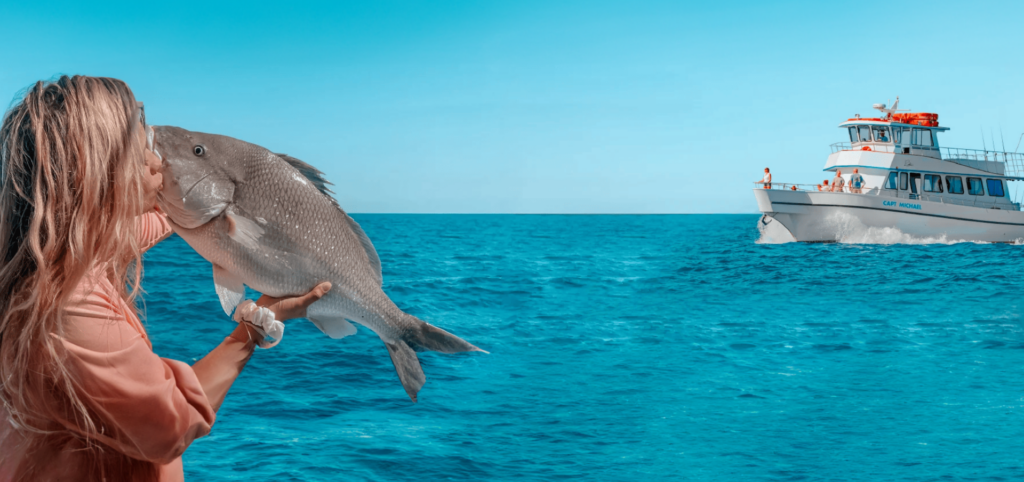
If you’re planning your first fishing adventure, one of the most common questions you’ll probably ask is, “How Long Is a Party Boat Fishing Trip?” Knowing how much time you’ll spend on the water can help you plan your day, pack the right items, and choose the trip that best fits your schedule. Party boat fishing is one of the easiest and most affordable ways to enjoy saltwater fishing. Unlike private charters, party boats allow multiple anglers to fish together while sharing the cost of the trip. They’re popular with beginners, families, solo travelers, and experienced fishermen who simply want to spend a few hours enjoying the water. The length of a party boat fishing trip depends on several factors, including the destination, the type of fishing, weather conditions, and the boat operator. In this guide, you’ll learn what affects trip length, what happens during a typical fishing trip, and how to choose the right trip for your needs. What Is a Party Boat Fishing Trip? A party boat is a larger fishing boat that takes a group of anglers to local fishing grounds. Instead of booking the entire boat, each person purchases an individual ticket, making it an affordable way to experience offshore or reef fishing. Most party boats provide everything you need, including fishing rods, reels, bait, tackle, and assistance from experienced crew members. This makes party boat fishing a great option for anyone who wants to enjoy fishing without bringing their own equipment. So, How Long Is a Party Boat Fishing Trip? Most party boat fishing trips last between four and six hours. This time usually includes: Some boats may offer shorter trips for beginners, while others offer full-day adventures lasting eight hours or more. The exact length depends on the fishing destination and the type of experience the captain offers. Why Do Most Party Boat Trips Last Around Four to Six Hours? Four to six hours is considered the ideal length because it gives anglers enough time to catch fish without spending an entire day on the water. This schedule allows the captain to: For many visitors, this amount of time provides the perfect balance between fishing and enjoying other activities during their vacation. How Much Time Is Actually Spent Fishing? Many first-time anglers assume they’ll be fishing from the moment the boat leaves the dock. In reality, the trip includes travel time. For example, on a five-hour trip: Captains choose fishing locations based on weather, water conditions, and where fish are actively feeding. What Happens During the Trip? Every party boat follows a similar schedule. Boarding Passengers usually arrive 30 to 45 minutes before departure. This gives everyone enough time to check in, receive instructions, and get settled. Safety Instructions Before leaving the dock, the captain or crew explains important safety information and shows guests how to use the fishing equipment. Traveling to the Fishing Grounds Once everyone is aboard, the boat heads toward productive fishing areas. During the ride, many guests enjoy the ocean views while crew members prepare bait and fishing equipment. Fishing After reaching the fishing grounds, the crew helps everyone begin fishing. If the fish aren’t biting, the captain may move to another location to improve the chances of success. Returning to the Marina Once the trip is complete, the boat returns to the dock. Many crews also clean your catch if local regulations allow. Does the Type of Fishing Affect Trip Length? Yes. Different types of fishing require different amounts of travel time. Reef Fishing Reef fishing usually takes place closer to shore, allowing boats to spend more time fishing and less time traveling. Offshore Fishing Offshore trips often require longer travel times because the fishing grounds are farther from land. These trips may last six to eight hours or longer. Deep Sea Fishing Deep sea fishing generally involves the longest trips because boats travel farther into open water to reach larger fish. Is a Half-Day Fishing Trip Enough? For most people, yes. Half-day trips are perfect for: Even during a four-hour trip, anglers often have plenty of opportunities to catch several different fish species. Many people discover that a half-day trip is enough to create lasting memories. Should You Choose a Full-Day Trip? A full-day fishing trip offers more time on the water and allows captains to visit additional fishing spots. Full-day trips may be ideal if you: These trips also provide more flexibility if fishing conditions change throughout the day. Is Four Hours Too Long for Kids? Not at all. Many children enjoy four-hour fishing trips because there’s always something happening. Watching fish being caught, learning new skills, and spending time outdoors keeps most kids entertained. Parents often find that half-day trips are the perfect length because younger children don’t become overly tired. What If the Fish Aren’t Biting? Fishing always depends on nature. If one area isn’t producing fish, experienced captains often move to another location. Weather, tides, water temperature, baitfish movement, and seasonal fish migrations all influence fishing success. Even when fishing is slower, many guests enjoy being on the water and learning from experienced crew members. What Should You Bring on a Party Boat? Packing the right items makes the trip more comfortable. Consider bringing: Most party boats provide all fishing equipment, so there’s usually no need to bring your own rod and reel. Does Weather Change Trip Length? Sometimes. Captains always put passenger safety first. If weather conditions become unsafe, trips may be delayed, shortened, or canceled. Most operators closely monitor marine forecasts before every departure. If conditions are safe, your trip will usually follow the scheduled duration. Can Beginners Enjoy a Party Boat? Absolutely. One of the biggest advantages of party boat fishing is that no previous experience is required. Crew members help with: This support makes party boats an excellent choice for first-time anglers. Is There Enough Space for Everyone? Modern party boats are designed to accommodate multiple anglers comfortably. Guests are assigned fishing spots around the boat, giving everyone room

How Long Is a Party Boat Fishing Trip? Read More »
How Long Is a Party Boat Fishing Trip

What Is Party Boat Fishing? A Beginner’s Guide To Fishing in the Florida Keys

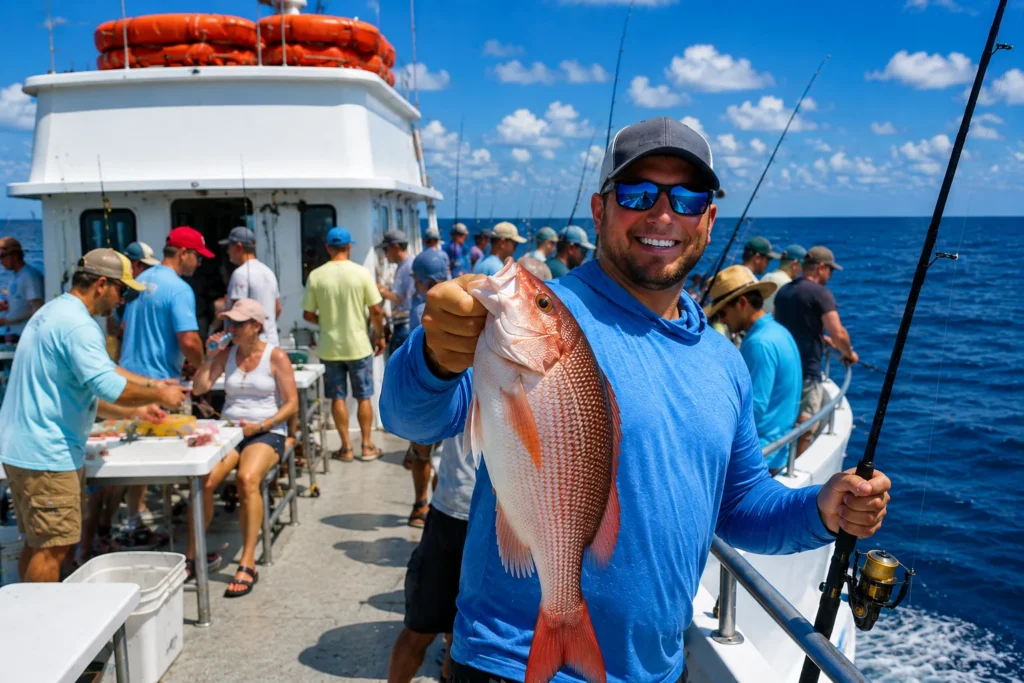
If you have ever wanted to experience offshore fishing but do not own a boat, party boat fishing is one of the easiest and most affordable ways to get started. It allows anglers of all skill levels to enjoy a day on the water, catch a variety of fish, and explore some of the best fishing grounds without the expense of booking a private charter. Party boat fishing is especially popular in the Florida Keys, where visitors come from around the world to enjoy the area’s clear waters, abundant marine life, and year round fishing opportunities. Whether you are a first time angler or an experienced fisherman looking for a convenient way to get offshore, a party boat trip can provide an exciting and memorable experience. In this guide, we will explain what party boat fishing is, how it works, what fish you can catch in the Florida Keys, and why it continues to be one of the most popular fishing activities in Islamorada and throughout the Keys. What Is Party Boat Fishing? Party boat fishing is a type of fishing trip where multiple anglers share a large fishing vessel. Instead of renting an entire boat for your group, you purchase an individual ticket and join other passengers on a scheduled fishing trip. The boat is operated by a professional captain and crew who handle navigation, safety, fishing locations, and assistance throughout the day. This allows passengers to focus on fishing and enjoying their time on the water. Party boats are designed to accommodate groups of anglers comfortably. Depending on the vessel, they may carry anywhere from a dozen passengers to more than fifty people. Because the cost of the trip is shared among everyone on board, party boat fishing is often much more affordable than booking a private charter. Why Is Party Boat Fishing So Popular in the Florida Keys? The Florida Keys are known as one of the top fishing destinations in the world. Stretching across more than 100 miles of islands and surrounded by productive waters, the Keys offer incredible fishing opportunities throughout the year. One reason party boat fishing is so popular here is the easy access to reefs, wrecks, and offshore fishing grounds. Many fishing locations are only a short ride from the dock, giving anglers more time to fish and less time traveling. The warm climate also allows for year round fishing. While many destinations have limited fishing seasons due to weather, anglers in the Florida Keys can enjoy productive fishing trips during every month of the year. Another reason people choose party boat fishing in the Florida Keys is the variety of fish available. Every trip has the potential to produce different species, making each outing unique and exciting. How Does Party Boat Fishing Work? The process is simple and beginner friendly. Passengers reserve a spot on a scheduled trip and arrive at the marina before departure. After boarding the vessel, the captain and crew provide safety information and explain the fishing plan for the day. Once everyone is ready, the boat heads toward the fishing grounds. Depending on the trip, this may include reefs, wrecks, patches of hard bottom, or offshore fishing areas. Each angler is assigned space along the rail where they can fish comfortably throughout the trip. The crew assists with many aspects of fishing, including: This hands-on assistance makes party boat fishing ideal for people with little or no fishing experience. What Fish Can You Catch in the Florida Keys? One of the biggest attractions of Florida Keys party boat fishing is the wide variety of fish species available. The exact species depend on the season, water conditions, and fishing location, but anglers commonly catch: Snapper Snapper are among the most popular fish in the Florida Keys. Mangrove snapper, yellowtail snapper, and mutton snapper are frequently targeted on party boat trips. They are known for their excellent flavor and provide plenty of action for anglers. Grouper Grouper are powerful fish that often live near reefs and underwater structures. Catching a large grouper can be one of the highlights of a fishing trip. Amberjack Amberjack are famous for their strength and fighting ability. Many anglers consider them one of the toughest fish to catch in Florida Keys waters. King Mackerel King mackerel are fast swimming predators that can provide exciting action when they are feeding actively. Cobia Cobia are prized by anglers because they fight hard and offer excellent table fare. Triggerfish Triggerfish are often found around reefs and wrecks. They are enjoyable to catch and highly regarded for their taste. Other Species Depending on the season, anglers may also encounter barracuda, shark, blackfin tuna, bonito, porgy, and many other species. Who Can Go Party Boat Fishing? One of the best things about party boat fishing is that almost anyone can participate. Party boat trips are popular among: Many people who visit the Florida Keys have never fished before. Party boats provide a simple and welcoming way to experience offshore fishing without needing specialized knowledge. Children are often welcome on many trips, making party boat fishing a fun family activity. Why Beginners Love Party Boat Fishing Many people are interested in fishing but feel intimidated by the idea of learning new equipment, boating regulations, and fishing techniques. Party boat fishing removes these barriers. The crew provides guidance throughout the trip, helping passengers learn the basics while enjoying the experience. Beginners appreciate the fact that they do not need to: Instead, they can focus on having fun and catching fish. Why Experienced Anglers Choose Party Boats Although party boats are excellent for beginners, many experienced anglers enjoy them as well. Owning and operating a boat can be expensive and time consuming. Fuel, maintenance, storage, insurance, and repairs all add up over time. Party boats provide access to productive fishing grounds without these responsibilities. Experienced fishermen also appreciate the local knowledge that captains bring to every trip. Years of experience often help crews locate fish and adapt to changing conditions. What

What Is Party Boat Fishing? A Beginner’s Guide To Fishing in the Florida Keys Read More »

10 Most Popular Fish to catch in islamorada

The 10 Most Popular Fish To Catch in Islamorada

Islamorada is widely known as the “Sportfishing Capital of the World,” and for good reason. Located in the heart of the Florida Keys, this fishing destination offers anglers access to offshore waters, coral reefs, backcountry areas, flats, and bridges that support an incredible variety of fish species throughout the year. Whether you are an experienced angler or planning your first fishing trip, there are countless opportunities to target some of the most exciting game fish in Florida. From powerful tarpon and speedy sailfish to delicious snapper and grouper, the variety of fish to catch in Islamorada is one of the reasons the area attracts anglers from around the globe. In this guide, we’ll explore the 10 most popular fish to catch in Islamorada and provide a seasonal breakdown to help you plan your next fishing adventure. Why Islamorada Is a Top Fishing Destination One of the biggest reasons anglers visit the Florida Keys is the diversity of fish to catch in Islamorada. Few destinations offer access to so many fishing environments within such a short distance. Anglers can enjoy: Because of this diversity, there are always exciting fish to catch in Islamorada no matter the season. Tarpon Tarpon are among the most famous fish to catch in Islamorada. Often called the “Silver King,” tarpon are known for their incredible strength, large size, and spectacular aerial jumps. Catching a tarpon is considered a bucket-list achievement for many anglers. Why Tarpon Are Popular Many tarpon exceed 100 pounds, making them one of the most exciting fish to catch in Islamorada. Best Season March through September is generally considered peak tarpon season. Sailfish Sailfish are one of the most sought-after offshore fish to catch in Islamorada. Known for their speed and impressive dorsal fin, sailfish provide thrilling action for offshore anglers. Why Sailfish Are Popular Best Season Winter months, especially December through March, often provide excellent sailfish opportunities. Mahi-Mahi Mahi-mahi are colorful offshore predators and one of the most popular fish to catch in Islamorada. These fish are recognized for their vibrant colors, aggressive feeding behavior, and excellent table fare. Why Anglers Love Mahi-Mahi Best Season Late spring and summer are typically the most productive months. Bonefish Bonefish are legendary among flats anglers and are considered one of the most challenging fish to catch in Islamorada. These fish are known for their speed and cautious nature. Why Bonefish Are Special Best Season Spring, summer, and fall generally provide excellent bonefish action. Permit Permit are another highly prized species and among the most challenging fish to catch in Islamorada. Their cautious behavior and selective feeding habits make them a favorite target for experienced anglers. Why Anglers Pursue Permit Best Season Spring and fall are often considered the best times to target permit. Yellowtail Snapper Yellowtail snapper are among the most popular reef fish to catch in Islamorada. These fish are abundant throughout the Florida Keys and provide consistent action for anglers. Why Yellowtail Snapper Are Popular Best Season Yellowtail snapper can be caught year-round. Grouper Grouper are powerful bottom-dwelling predators and remain one of the most desirable fish to catch in Islamorada. Several grouper species inhabit the reefs and wrecks surrounding the Florida Keys. Why Grouper Are Popular Best Season Summer and fall are generally productive periods for grouper fishing. Blackfin Tuna Blackfin tuna are among the fastest offshore fish to catch in Islamorada. Although smaller than some tuna species, they provide exciting action and exceptional eating quality. Why Blackfin Tuna Are Popular Best Season Spring and summer often provide excellent opportunities. Wahoo Wahoo are one of the fastest and most exciting fish to catch in Islamorada. Known for their explosive strikes and incredible speed, these fish are highly prized by offshore anglers. Why Anglers Target Wahoo Best Season Fall and winter are typically productive periods for wahoo fishing. King Mackerel King mackerel, also known as kingfish, round out the list of the top fish to catch in Islamorada. These fast-moving predators provide exciting action and are common throughout the Florida Keys. Why Kingfish Are Popular Best Season Cooler months generally provide the best kingfish fishing. Fish To Catch in Islamorada by Season One of the advantages of fishing in Islamorada is that there are always productive opportunities throughout the year. Spring Spring is one of the best times to find a wide variety of fish to catch in Islamorada. Popular species include: Summer Summer offers warm water and excellent fishing opportunities. Common fish to catch in Islamorada during summer include: Fall Fall provides a transition period with excellent offshore and reef fishing. Popular species include: Winter Winter is known for some of the best offshore fishing in the Florida Keys. Common fish to catch in Islamorada during winter include: Inshore vs Offshore Fishing The variety of fish to catch in Islamorada depends largely on where you fish. Inshore Fishing Inshore fishing typically targets: These species are often found on flats, channels, and backcountry waters. Offshore Fishing Offshore anglers often pursue: These species are usually found farther from shore in deeper water. Tips for Catching Fish in Islamorada To improve your chances of success when targeting the many fish to catch in Islamorada, consider these tips: Fish With Local Knowledge Local captains understand seasonal patterns and fish behavior. Match the Season Different species are more active during specific times of year. Use Appropriate Gear Target species vary greatly in size and strength, so proper equipment is important. Be Flexible Weather and conditions can influence which fish to catch in Islamorada are most active on a given day. FAQs About Fish To Catch in Islamorada What is the most popular fish to catch in Islamorada? Tarpon is often considered the most popular fish to catch in Islamorada due to its size, strength, and spectacular aerial displays. What is the best time of year for fishing in Islamorada? Fishing is productive year-round in Islamorada, but the best season depends on the species you want to target. Can beginners catch fish in Islamorada? Yes. Islamorada offers

The 10 Most Popular Fish To Catch in Islamorada Read More »

What is drift fishing?

Islamorada Fishing Seasons – A Complete Guide

Islamorada is often called the “Sport Fishing Capital of the World,” and for good reason. Located in the heart of the Florida Keys, this fishing paradise offers year-round opportunities to catch a wide variety of game fish. Whether you are interested in offshore fishing, reef fishing, backcountry fishing, flats fishing, or deep sea adventures, Islamorada provides excellent fishing throughout every season. One of the most common questions visitors ask is, “When is the best fishing season in Islamorada?” The answer depends on the species you want to target. Different fish are more active during different times of the year, making every season unique. This guide breaks down Islamorada fishing seasons month by month and explains what species are commonly available throughout the year. Why Is Islamorada Famous for Fishing? Islamorada sits between the Atlantic Ocean and Florida Bay, giving anglers access to multiple fishing environments within a short distance. These include: This variety allows anglers to target dozens of species during every season. Is There a Bad Time to Fish in Islamorada? No. One of the biggest advantages of fishing in Islamorada is that there is always something biting. While certain species have peak seasons, anglers can find productive fishing opportunities throughout the year. The best time depends on: Islamorada Fishing Seasons by Season Winter Fishing Season in Islamorada December Through February Winter is one of the most popular fishing seasons in Islamorada. The cooler temperatures attract many migratory species and create excellent fishing conditions. Popular winter catches include: Winter is particularly famous for sailfishing. Strong cold fronts often push sailfish into the area, creating exciting action for offshore anglers. Why Winter Is Popular Benefits include: Many anglers consider winter the best season for trophy sailfish. Spring Fishing Season in Islamorada March Through May Spring brings warming water temperatures and increased fish activity. Many species begin feeding aggressively as conditions improve. Popular spring species include: Spring is especially famous for tarpon fishing. Thousands of tarpon migrate through the Florida Keys during this period. Why Spring Is Special Spring offers: Many anglers plan trips specifically around tarpon season. Summer Fishing Season in Islamorada June Through August Summer provides warm water temperatures and productive fishing across multiple environments. This is one of the best times for offshore fishing. Popular summer catches include: Mahi-Mahi fishing is particularly popular during summer. Large schools often move through offshore waters. Summer Fishing Advantages Benefits include: Early morning trips are often recommended during warmer months. Fall Fishing Season in Islamorada September Through November Fall is sometimes overlooked but can provide excellent fishing opportunities. As water temperatures begin cooling, many species become more active. Popular fall catches include: Many anglers enjoy fall because of: Fall can be an excellent time to target multiple species on a single trip. Best Time to Catch Tarpon in Islamorada Peak Season: March Through July Tarpon are among the most sought-after game fish in Islamorada. Known for their: Tarpon attract anglers from around the world. The peak migration typically occurs during spring and early summer. Large fish often exceed: Tarpon fishing is one of Islamorada’s signature experiences. Best Time to Catch Sailfish in Islamorada Peak Season: November Through April Sailfish are among the fastest fish in the ocean. Islamorada is considered one of the top sailfish destinations anywhere. The best fishing often occurs during: Many anglers visit specifically for winter sailfish action. Best Time to Catch Mahi-Mahi in Islamorada Peak Season: April Through August Mahi-Mahi are known for: Summer provides some of the best opportunities for offshore Mahi-Mahi fishing. Fish are often found near: Best Time to Catch Snapper in Islamorada Snapper fishing remains productive throughout much of the year. Popular species include: Peak action often occurs during: Snapper are popular among both beginners and experienced anglers. Best Time to Catch Grouper in Islamorada Grouper fishing can be productive during multiple seasons. Common species include: Many anglers target grouper around: Regulations and seasons may vary, so always check current fishing rules. Best Time to Catch Bonefish in Islamorada Peak Season: Year-Round Bonefish are available throughout the year. However, many anglers prefer: These fish are known for: Bonefish are a favorite among flats anglers. Best Time to Catch Permit in Islamorada Peak Season: Spring Through Early Summer Permit are often considered one of the most challenging flats species. They are known for: Spring offers some of the best opportunities for targeting permits on the flats. Best Time to Catch Tuna in Islamorada Peak Season: Spring Through Fall Several tuna species are available offshore. Blackfin Tuna are particularly popular. Anglers often target tuna near: Tuna provide excellent sport and dining opportunities. Best Time for Reef Fishing in Islamorada Reef fishing remains productive throughout the year. Common catches include: Many visitors choose reef fishing because: Best Time for Offshore Fishing in Islamorada Offshore fishing can be productive year-round. Target species include: Summer often provides calmer ocean conditions. Winter offers excellent sailfishing opportunities. Best Time for Flats Fishing in Islamorada Flats fishing is one of Islamorada’s most famous experiences. Popular targets include: The spring months are often considered ideal. Many anglers pursue the famous “Grand Slam” by catching all three species in one day. What Is the Best Month to Fish in Islamorada? There is no single best month because fishing opportunities change throughout the year. However, many anglers favor: April Excellent for: May Peak tarpon season and excellent overall fishing. June Strong offshore action and continued tarpon opportunities. January Outstanding sailfishing and reef fishing. Fishing Tips for Every Season Winter Spring Summer Fall Why Fishing Is a Year-Round Activity in Islamorada Unlike many destinations that have limited fishing seasons, Islamorada offers year-round opportunities because of its unique location and diverse ecosystems. Anglers can choose from: This variety ensures productive fishing no matter when you visit. FAQs About Islamorada Fishing Seasons What is the busiest fishing season in Islamorada? Spring is often considered the busiest fishing season because of the famous tarpon migration and excellent weather conditions. Can you fish in Islamorada year-round? Yes, Islamorada offers

Islamorada Fishing Seasons – A Complete Guide Read More »

What is sport fishing?

How to Attract Fish Faster? Catch More Fish in Less Time

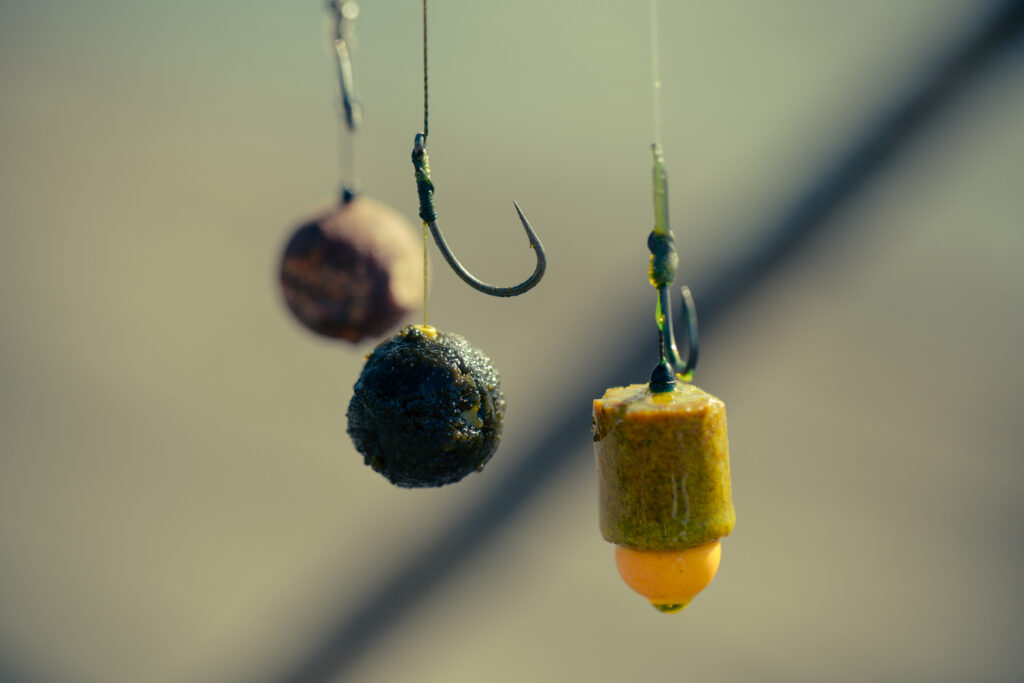
One of the most common questions anglers ask is, “How can I attract fish faster?” Whether you are fishing from a boat, dock, shoreline, pier, kayak, or flat skiff, attracting fish quickly can significantly improve your chances of success. While there is no magic trick that guarantees instant bites, experienced anglers know that certain techniques, baits, locations, and environmental factors can dramatically increase fish activity around your fishing area. Understanding what fish eat, where they feed, and how they respond to water conditions can help you catch more fish in less time. In this guide, you will learn proven methods for attracting fish faster, choosing the right bait, finding productive fishing spots, using fish attractants, and avoiding common mistakes that scare fish away. Why Attracting Fish Matters Fish do not constantly swim around looking for your bait. Most species spend their time: The goal is to make your bait or lure appear more appealing than everything else available in the water. When fish notice food, scent, movement, or activity nearby, they are more likely to investigate and strike. What Attracts Fish the Fastest? Several factors naturally attract fish. These include: Combining multiple attraction methods often produces the best results. Use Live Bait Whenever Possible Live bait remains one of the fastest ways to attract fish. Natural movement and scent make live bait difficult for fish to ignore. Popular live baits include: Live bait creates vibrations and movement that trigger feeding instincts. Many experienced anglers use live bait when they need quick action. Match the Local Food Source Fish are more likely to eat something they recognize. Observe the area and determine what fish are feeding on naturally. Common food sources include: Using bait or lures that resemble local prey can significantly increase strikes. Use Fish Attractants Fish attractants are scents designed to encourage fish to investigate your bait. Many products contain ingredients that mimic natural prey. Popular attractants are available as: These products can be especially effective when fish are inactive or pressured. Chumming Can Bring Fish to Your Area Chumming involves placing small pieces of bait into the water to create a scent trail. The scent travels through the current and attracts nearby fish. Common chum materials include: Saltwater anglers frequently use chum to attract species such as: Freshwater anglers may also use chum for certain species. Fish During Feeding Times Timing can greatly affect success. Fish are generally more active during: Early Morning Many species feed aggressively around sunrise. Cooler temperatures often increase activity. Late Afternoon Fish frequently become active again before sunset. Tidal Changes In coastal areas, moving water often stimulates feeding behavior. Incoming and outgoing tides can both create productive fishing conditions. Fish Around Structure Fish are naturally attracted to structure. Structure provides: Look for: Areas with structure often hold more fish than open water. Use Bright or Natural Lures Based on Water Conditions Lure color can affect visibility. In Clear Water Natural colors often perform best. Examples include: In Murky Water Brighter colors can help fish locate the lure. Examples include: Choosing the right color improves visibility and attraction. Create Movement Movement is one of the strongest fish triggers. Fish often react to: Different lure retrieves can help create these effects. Experiment until you discover what fish prefer on a particular day. Fish Near Bait Schools Where there is bait, there are often predators. Watch for: Predatory fish frequently gather near food sources. Finding bait often means finding fish. Use Sound and Vibration Many fish detect vibration through their lateral line system. Lures that create vibration can attract fish from greater distances. Examples include: These lures help fish locate your presentation even in poor visibility. Fish Moving Water Moving water brings food to fish. Productive areas include: Fish often position themselves where currents naturally deliver prey. Pay Attention to Water Temperature Fish are cold-blooded animals. Their activity levels depend heavily on water temperature. When temperatures are comfortable, fish are generally: Monitoring temperature can help identify productive areas. Use Fresh Bait Fresh bait usually produces better results than old bait. Fresh bait provides: Fish often recognize deteriorating bait and may avoid it. Try Topwater Lures Topwater lures create surface commotion that attracts attention. These lures can trigger explosive strikes from: Topwater fishing is often most effective during low-light conditions. Fish Around Lights at Night Artificial lights attract small organisms. These organisms attract baitfish. Baitfish attract larger predators. Night fishing near lights can be highly productive. Popular locations include: The food chain often develops around illuminated areas. Use the Right Hook Size An oversized hook can reduce bites. A hook that is too small may not properly hold larger fish. Matching hook size to bait size creates a more natural presentation. This can improve both strike rates and hookups. Stay Quiet Fish can detect disturbances in the water. Excessive noise may scare fish away. Avoid: Quiet anglers often experience better results. Fish During Cloudy Conditions Cloud cover can increase fish activity. Reduced sunlight often encourages fish to move into shallower areas. Many species become less cautious under cloudy skies. This can create excellent feeding opportunities. Target Areas With Oxygen-Rich Water Fish require oxygen to survive. Areas with higher oxygen levels often attract more fish. Examples include: These locations often support increased feeding activity. Use Artificial Lures That Match Local Prey Successful anglers frequently follow the “match the hatch” principle. This means using lures that resemble local prey. Examples include: Matching local food sources often increases strikes. Learn to Read Fish Behavior Fish constantly provide clues. Watch for: Observing fish behavior can help you quickly adjust your strategy. Common Mistakes That Prevent Fish From Biting Fishing in the Wrong Location Even the best bait cannot catch fish where none are present. Location is often more important than tackle. Using Old Bait Fresh bait typically outperforms bait that has been sitting too long. Fishing Too Fast Many anglers retrieve lures too quickly. Slowing down often produces more strikes. Ignoring Weather Conditions Weather changes influence fish activity. Wind, temperature,

How to Attract Fish Faster? Catch More Fish in Less Time Read More »

Bring on a Captain Michael Fishing Trip

What to Bring on a Captain Michael Fishing Trip

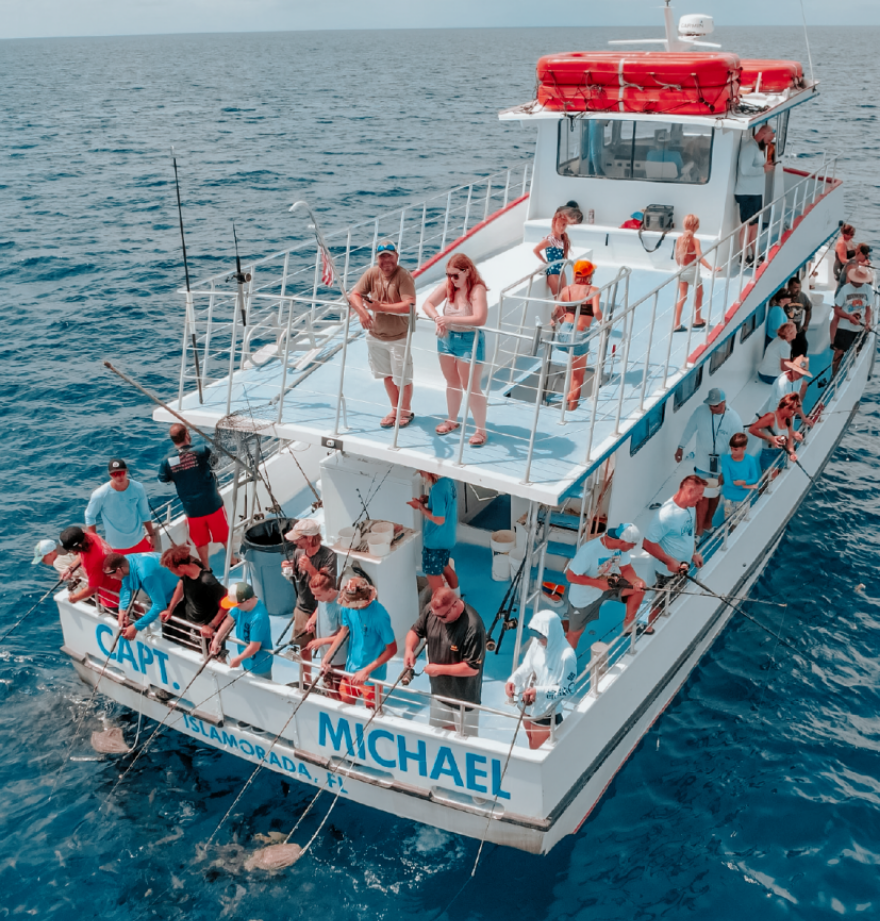
If you’re preparing for an exciting day on the water with Captain Michael Fishing, you’ve already made a great choice. Whether you’re joining us for a morning, afternoon, or night fishing trip, we strive to make your experience as effortless and enjoyable as possible. Our trips are designed to accommodate everyone from first-time anglers to seasoned fishermen, and we provide the essential equipment and services to make your time with us both comfortable and productive. To help you get the most out of your fishing adventure, this guide outlines exactly what we provide on board and what bring on a Captain Michael Fishing Trip. With the right preparation, your trip can be a smooth and memorable outing that you’ll want to repeat again and again. What’s Included on a Captain Michael Fishing Trip When you book with Captain Michael Fishing, you are not just reserving a spot on a boat. You’re signing up for a fully equipped and thoughtfully organized fishing experience. We provide the following essentials to ensure you have everything you need to get started. Bait, Tackle, and Rods We provide all bait, tackle, and rods for our guests. Our crew prepares the bait and tackles your rod with the appropriate gear for the local waters and current conditions. If you prefer to bring your own fishing rod, we welcome that. However, we ask that you refrain from using braided line, as it can create challenges when lines cross or tangle with other passengers. Our provided rods are rigged with monofilament, which performs well for our style of group fishing and helps keep the experience hassle-free for everyone on board. Fishing License You won’t need to worry about purchasing a separate fishing license. All necessary licensing for recreational fishing is covered as part of your trip with us. This saves you time and eliminates the stress of figuring out state or local fishing regulations. Stern Rotation To ensure fairness and provide all anglers with equal access to the most productive areas of the boat, we implement a rotation system at the stern. Throughout the trip, passengers will be given the opportunity to switch positions so that everyone can enjoy a balanced and engaging fishing experience. Onboard Amenities We understand that comfort matters when you’re spending several hours on the water. Our party boat includes clean, functional bathrooms and a shaded cabin where you can take a break from the sun. The shaded area is especially useful on hot days or if you need to sit down and relax between casts. Fish Cleaning Once the fishing ends, the experience doesn’t stop there. Our crew offers professional fish cleaning services, so you can take your catch home ready to cook. This service is included in your trip and saves you the trouble of dealing with the mess at home. Whether you plan to grill your fish, fry it, or store it for later, our team ensures it is cleaned and prepared correctly. Prefer to enjoy your catch right away? Take advantage of the Hook & Cook option available at Hungry Tarpon Restaurant, located right at the dock. They’ll cook your freshly caught fish just how you like it—blackened, grilled, or fried—served with your choice of sides. It’s the perfect way to end your day on the water with a true dock-to-dish meal. What You Should Bring on a Captain Michael Fishing Trip While we take care of the core essentials, there are a few items you should bring to enhance your comfort and enjoyment on board. Below is a checklist of items we recommend for all guests. Food and Drinks We do not provide food or beverages during the trip, so we encourage you to bring snacks and drinks for the duration of your outing. This is especially important for longer trips, as staying hydrated and nourished will help you feel your best throughout the day. Please avoid bringing glass containers, as they can pose a hazard on the boat. Some good options include sandwiches, fruit, granola bars, water bottles, sports drinks, and light snacks. If you are joining us for a night fishing trip, consider packing a thermos of coffee or hot tea for added comfort. Gratuity for the Crew Our crew works hard to ensure your safety, comfort, and success on the water. While gratuity is not mandatory, it is customary and always appreciated. A tip is a great way to show your appreciation for the crew’s effort in helping you bait hooks, untangle lines, clean fish, and offer guidance throughout the trip. Sunglasses, Sunscreen, and Hats Protection from the sun is crucial when spending time on open water, even during early morning or late afternoon trips. The sunlight reflecting off the water can be intense and lead to sunburn or eye strain if you are not prepared. Bring polarized sunglasses to reduce glare and help you see fish beneath the surface. Sunscreen with a high SPF rating should be applied before boarding and reapplied throughout the trip. A wide-brimmed hat or a baseball cap can help shield your face from direct sunlight and add another layer of protection. Comfortable Clothing Dress for the weather, but also keep in mind that conditions can change quickly at sea. Light, moisture-wicking layers work well for hot days, and it is smart to bring a windbreaker or lightweight rain jacket in case of unexpected rain or wind. Rubber-soled shoes or deck shoes are best for grip and safety on a wet boat deck. Avoid open-toed footwear, as it offers less protection and stability. Motion Sickness Prevention If you are prone to seasickness or unsure of how your body reacts to being on a boat, consider bringing motion sickness medication. There are over-the-counter options such as Dramamine or meclizine that can be taken before departure. You can also consider natural remedies like ginger tablets or pressure bands that apply acupressure to help prevent nausea. Storage for Personal Belongings Bringing a small backpack or soft-sided cooler can help you organize your personal

What to Bring on a Captain Michael Fishing Trip Read More »