Islamorada, often called the Sportfishing Capital of the World, is a dream destination for anglers from all over. With its unique location in the Florida Keys and easy access to both the Atlantic Ocean and the Gulf of Mexico, the area offers an incredible variety of fishing opportunities. From deep sea adventures to backcountry trips, there is something here for every fishing style and skill level.
Before you head out with your rod and reel, it is important to know that Islamorada has specific fishing rules and regulations designed to protect its marine environment and keep fish populations healthy for future generations. Following these rules is not only a legal requirement but also a way to help preserve the beauty and abundance of these waters.
This complete guide will walk you through the main fishing rules and regulations in Islamorada, including license requirements, size and bag limits, seasonal closures, protected species, and gear rules. By the end, you will know exactly what is expected of anglers in this world-class fishing destination.
Why Fishing Rules and Regulations in Islamorada Are Important?
The waters around Islamorada are rich with life. From colorful reef fish to prized sport species like sailfish, tarpon, and mahi-mahi, the area is a hotspot for marine biodiversity. With so many anglers visiting each year, fishing pressure can be high. Without rules, fish populations could decline quickly, and the ecosystems that support them could be damaged.
Fishing regulations help maintain balance by:
- Preventing overfishing of popular species
- Allowing young fish to grow and reproduce
- Protecting critical habitats like coral reefs and mangroves
- Ensuring fair access for recreational, commercial, and charter fishermen
- Supporting sustainable tourism for the local economy
When you follow the rules, you are contributing to the long-term health of Islamorada’s fisheries.
Fishing License Requirements
One of the first things to know is that most anglers need a valid Florida fishing license to fish in Islamorada. There are a few different types, and the one you need depends on where and how you will be fishing.
Saltwater Fishing License
Required for anyone fishing in the ocean, bays, or other saltwater areas around Islamorada.
Freshwater Fishing License
Required for fishing in inland waters, such as lakes, ponds, and canals. While most visitors come to Islamorada for saltwater fishing, this license is needed if you fish in any freshwater locations nearby.
Combination License
Covers both saltwater and freshwater fishing. This is useful if you plan to do both types during your trip.
Short-Term Licenses
Available for three or seven days, ideal for visitors who are only fishing for part of their stay.
Exemptions
You may not need a license if:
- You are under 16 years old
- You are a Florida resident over 65
- You are fishing from a licensed charter, party boat, or pier that provides a license
- You qualify for certain disability exemptions
Licenses can be purchased online from the Florida Fish and Wildlife Conservation Commission (FWC), by phone, or from local tackle shops and sporting goods stores.
Size and Bag Limits
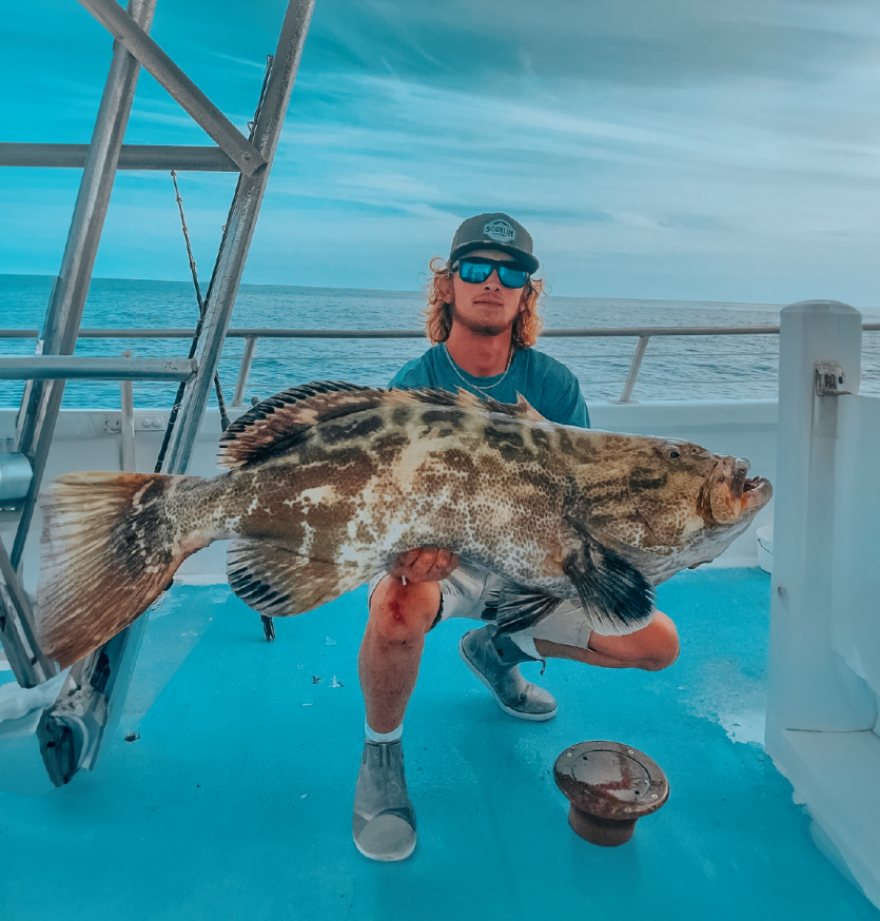
To protect fish populations, Florida sets limits on how many fish you can keep and what size they must be. These rules vary by species and sometimes by location.
Bag Limit
The number of fish you can harvest per person per day. For example, the bag limit for mahi-mahi in Atlantic state waters is 10 per person, with a maximum of 60 per vessel.
Size Limit
The minimum and sometimes maximum size of fish you can keep. Size limits allow juvenile fish to grow and reproduce before being caught. Slot limits, where fish must be within a specific size range, are also common.
Examples of size and bag limits in the Florida Keys:
- Snook: Slot size of 28 to 32 inches, bag limit of one per person during open season
- Spotted Seatrout: Slot size and bag limits vary by region
- Snapper Species: Minimum sizes and bag limits vary by type
Because rules can change, always check the latest FWC regulations before your trip.
Seasons and Closed Periods
Some fish have specific open and closed seasons to protect them during spawning or vulnerable periods. Catching them during closed season is illegal.
Common seasonal closures include:
- Snook: Closed in the Atlantic from June 1 to August 31, and in the Gulf from December 1 to the end of February
- Grouper: Certain species like gag and red grouper have closed seasons
- Lobster: There is a short “mini-season” in late July and a regular season from August to March
Planning your trip around open seasons is important if you are targeting a specific species.
Protected Species
Some species are completely off-limits to harvest in Florida waters. These may be threatened, endangered, or critical to the ecosystem.
Protected species include:
- Goliath Grouper
- Nassau Grouper
- Sawfish
- Certain sharks such as great hammerhead and tiger shark
- Sea turtles (all species)
- Stony corals
You can catch and release some protected species if they are hooked accidentally, but they must be handled carefully and returned to the water immediately.
Gear and Method Restrictions
Islamorada has rules about the type of fishing gear you can use and where certain methods are allowed.
- Hooks: Non-stainless steel circle hooks are required when fishing with natural bait for reef fish to reduce injury and improve survival rates after release.
- Spearfishing: Prohibited within certain distances of shore, in protected areas, or for certain species.
- Nets: Some nets, like gill nets, are banned for recreational fishing.
- Trap Use: Traps are regulated and only allowed for certain species such as spiny lobster.
Always know the gear rules before you head out, especially if you plan to fish in reef or sanctuary areas.
Fishing in the Florida Keys National Marine Sanctuary
Much of the water around Islamorada is part of the Florida Keys National Marine Sanctuary. Within the sanctuary are special zones where fishing is limited or prohibited.
- Sanctuary Preservation Areas (SPAs): No fishing or harvesting of any kind is allowed.
- Ecological Reserves: Completely off-limits to fishing to protect habitats and breeding grounds.
- Special Use Areas: May have unique restrictions for research or restoration.
These zones are marked on nautical charts and with buoys. Respecting them helps keep the ecosystem healthy.
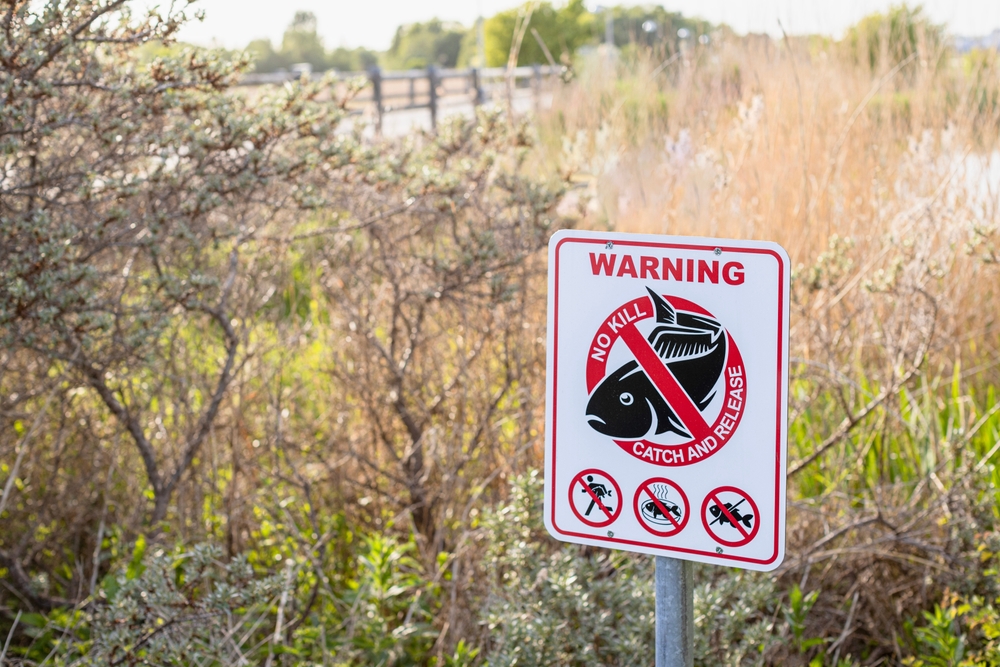
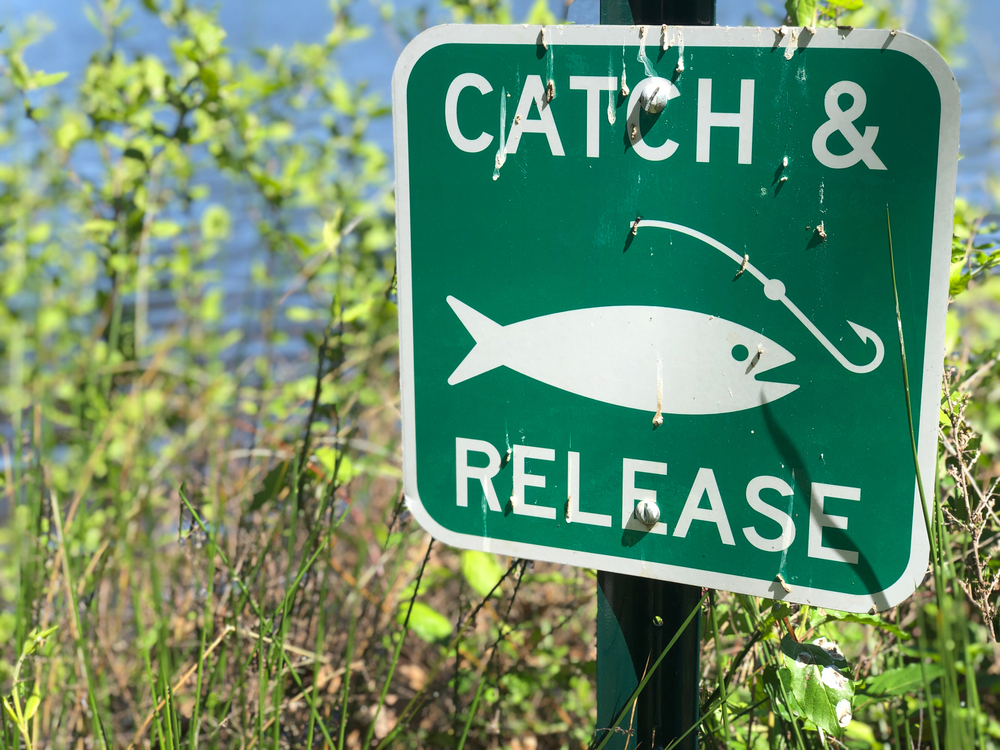
Catch and Release Best Practices
Even if you plan to release your catch, how you handle the fish matters for its survival.
- Use barbless or circle hooks to make unhooking easier.
- Avoid removing fish from the water if possible.
- If you must handle the fish, wet your hands to protect its slime layer.
- Support the fish horizontally and avoid squeezing.
- Revive the fish by holding it in the water until it swims away on its own.
Practicing good catch and release techniques helps maintain healthy populations for the future.
Penalties for Violating Regulations In Florida
FWC officers patrol the waters and shorelines in and around Islamorada. Breaking fishing laws can lead to serious consequences.
Penalties may include:
- Fines
- Confiscation of fish and gear
- Suspension or loss of fishing license
- Criminal charges for serious violations
Staying informed and following the rules is the best way to avoid trouble and protect your fishing privileges.
Where to Check the Latest Florida Fishing Regulations
Fishing rules can change based on scientific assessments of fish populations and environmental conditions. Before every trip, check current regulations from official sources.
Reliable sources include:
- FWC Website: The Florida Fish and Wildlife Conservation Commission posts the latest rules and updates.
- FWC Law Enforcement: Contact local officers for clarification.
- Local Tackle Shops and Marinas: Staff often have up-to-date information.
- Mobile Apps: FWC has a mobile app that includes regulations, maps, and other helpful tools.
Tips for a Successful Fishing Trip in Islamorada
- Hire a Local Guide or Charter – Guides know the best fishing spots, the current rules, and the techniques that work for local species. At Captain Michael, we provide party boat fishing charters in Islamorada. With convenient departure times throughout the day and affordable rates for any avid angler, you can experience the best of offshore sportfishing in the Keys.
- Check the Weather and Tides – Conditions can change quickly in the Keys, so plan your trip with safety in mind.
- Bring Proper Gear – Make sure your rods, reels, and tackle match your target species and follow gear regulations.
- Respect the Environment – Dispose of trash properly, avoid damaging coral reefs, and keep a safe distance from wildlife.
- Know the Limits – Understand size, bag, and season limits before you drop a line.
Conclusion
Fishing in Islamorada is an experience every angler should enjoy at least once. The waters are teeming with life, the scenery is stunning, and the opportunities range from reef fishing to deep sea adventures. Following the rules on licenses, limits, seasons, and protected areas ensures you can enjoy your trip while helping preserve this incredible destination for generations to come.
If you are ready to experience the thrill of fishing in the Sportfishing Capital of the World, book a trip with Captain Michael Party Boat Fishing. Our experienced crew knows the local waters, follows all regulations, and will give you the chance to reel in amazing catches while enjoying a fun, safe, and memorable day on the water. Call today to reserve your spot and make your next fishing trip unforgettable.